Historical Profile
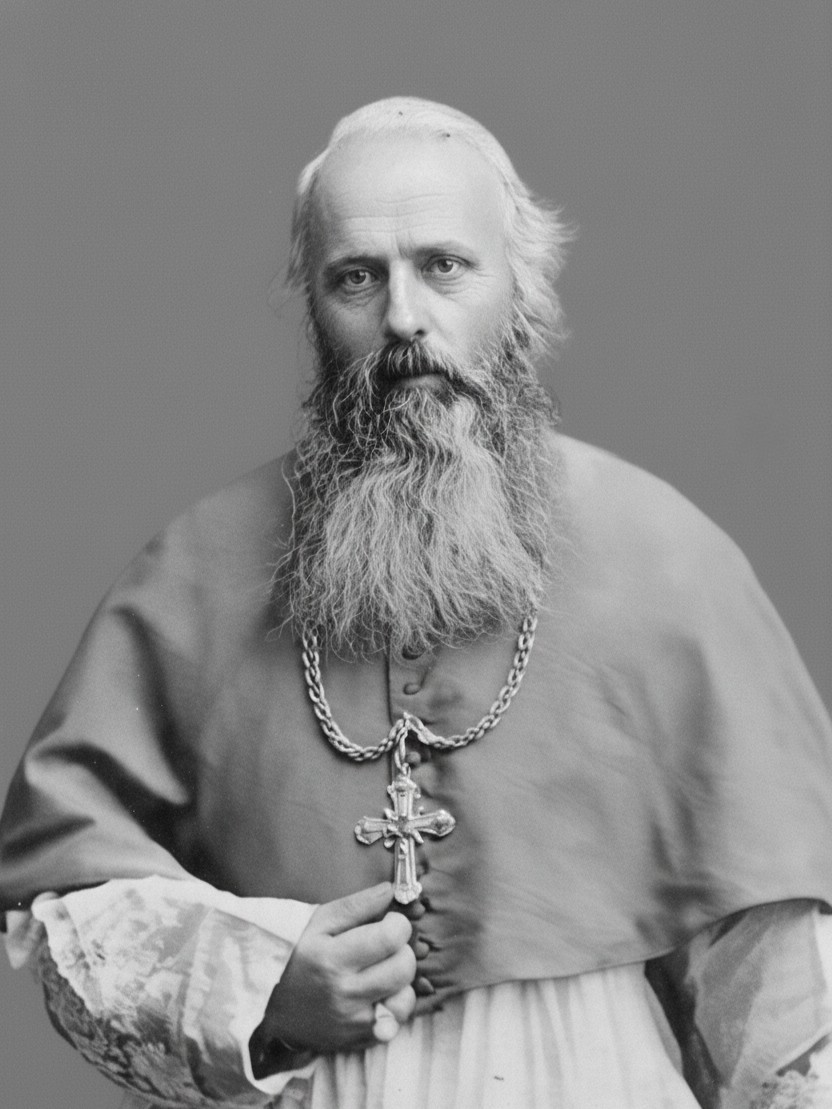
Paul Goethals, S.J.
1832 – 1901
First Archbishop of Calcutta, pioneering missionary, distinguished scholar of India, and founder of the collection that became the Goethals Indian Library & Research Society.
| Born | 11 November 1832 |
| Ordained | 11 September 1862 |
| Episcopacy | First Archbishop of Calcutta 25 November 1886 |
| Died | 04 July 1901 |
Early Life & Jesuit Formation
Paul-François-Marie Goethals was born on 11 November 1832, in Kortrijk, Belgium, into a highly influential, politically active, and cultured family. His father, Ferdinand Goethals, was a distinguished statesman who served as a member of the founding National Congress of Belgium in 1831. Raised in an environment that deeply valued civic leadership and intellectual pursuits, Paul completed his secondary education at the prestigious Jesuit high school, Collège Saint-Servais in Liège.
Answering a profound spiritual calling, he entered the Society of Jesus and embarked upon the rigorous intellectual and spiritual formation characteristic of the Jesuit tradition. He completed his philosophical studies in Namur and, after years of formation and teaching, was ordained a priest on 11 September 1862. He subsequently completed his theological studies at the Catholic University of Leuven, where he further developed the intellectual breadth that would later distinguish both his ecclesiastical leadership and scholarly pursuits.
From Belgium to Bengal: A Missionary Calling
Recognised early on for his exceptional administrative acumen, sharp intellect, and commanding leadership, Fr. Goethals quickly ascended within the Jesuit hierarchy in Europe. He served as the Rector of Collège Saint-Michel in Brussels (1868–1869) and was subsequently appointed the Provincial Superior of the Belgian Jesuits (1870–1876)—a role demanding immense diplomatic and structural oversight. Following his tenure as Provincial, he assumed the Rectorship of the Collège Notre-Dame de la Paix in Namur.
While seemingly destined for a distinguished career in European Jesuit education, his path took a decisive turn in 1877. Recognising his rare combination of leadership, organisational ability, and command of English, Pope Pius IX appointed him Vicar Apostolic of Western Bengal and Titular Bishop of Hierapolis in Phrygia (an ancient city in Asia Minor, present-day Turkey). The Bengal Mission had recently been entrusted to the Belgian Jesuits, and Bishop Goethals was chosen to guide this vast and complex missionary territory through a period of significant growth and transition.
First Archbishop of Calcutta and Architect of the Church in Eastern India
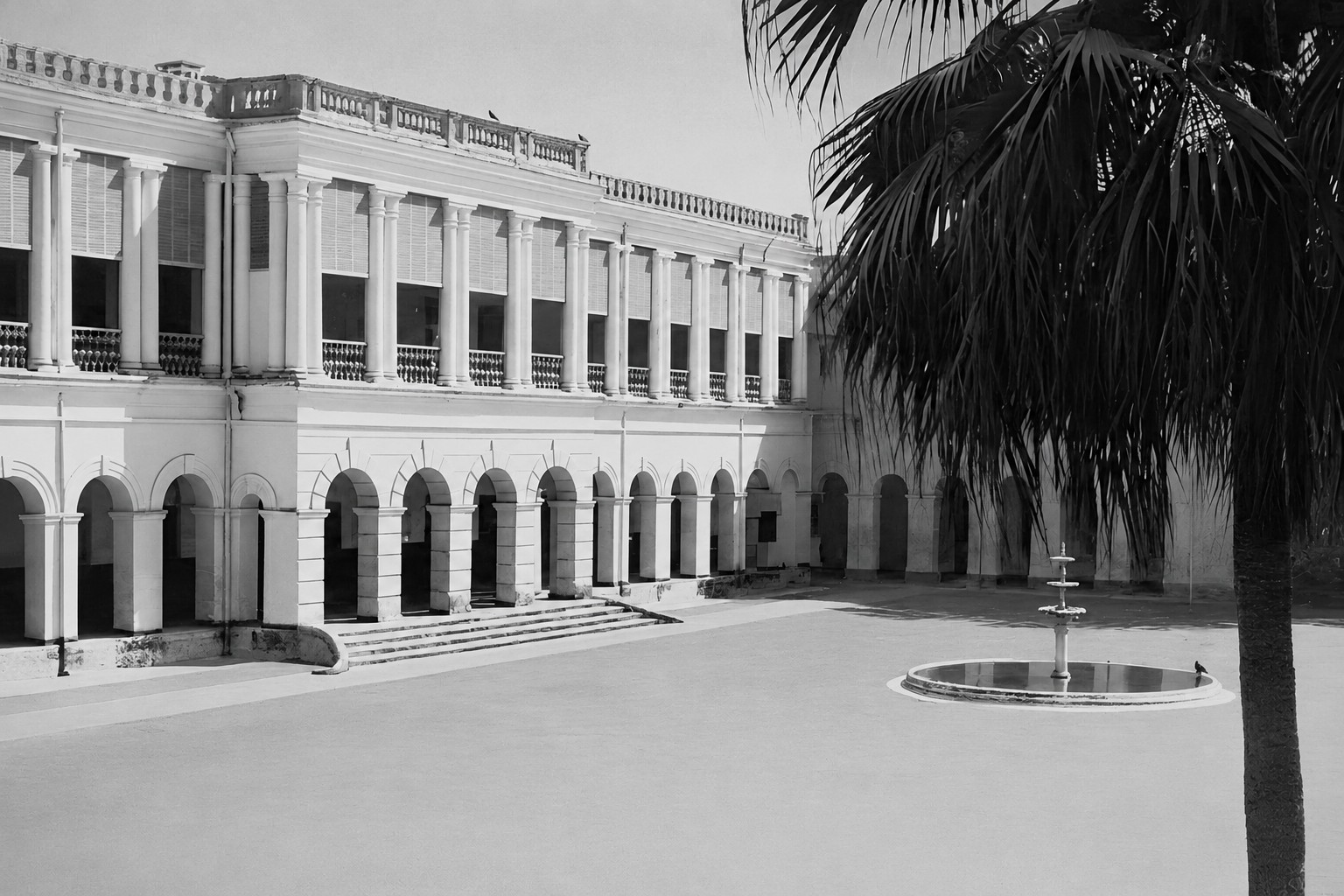
Arriving in Calcutta in 1878, Bishop Goethals brought vision, stability, and organisational strength to a rapidly expanding mission field. History was made on 25 November 1886, when Pope Leo XIII officially established the Catholic Hierarchy in India. This historic reorganisation transformed the ecclesiastical structure of the Church in the subcontinent and elevated the Vicariate Apostolic of Western Bengal to the status of a Metropolitan Archdiocese. Goethals thus became the first Archbishop of Calcutta.
Throughout his twenty-three-year episcopal ministry in Bengal, Archbishop Goethals left an enduring mark on the Church and society of eastern India. He oversaw the remarkable growth of the Chotanagpur Mission, supported the expansion of educational and charitable institutions, and encouraged the establishment of schools, orphanages, religious houses, and centres of pastoral outreach across Bengal and beyond.
Driven by a profound conviction that education was integral to both evangelisation and human development, he actively promoted Catholic education and scholarly activity. He established the Catholic Orphan Press which became an important centre for Catholic publishing and education, contributing significantly to the intellectual and pastoral life of the Church in Bengal.
Scholar, Collector, and Patron of Learning
Archbishop Goethals was far more than an ecclesiastical administrator. He possessed a remarkably wide range of intellectual interests and developed a deep appreciation for the history, cultures, religions, languages, and peoples of India. His scholarship reflected a characteristic Jesuit commitment to engaging local cultures through study, dialogue, and intellectual inquiry.
Driven by an insatiable curiosity, he assembled a personal collection of more than 6,000 volumes relating to India and the wider Asian world. The collection reflected extraordinary breadth and discernment, encompassing works on ancient India, archaeology, religion, philosophy, travel, colonial history, ethnography, linguistics, geography, natural history, and the histories of the Portuguese, Dutch, French, and British presence in South Asia.
Particularly noteworthy was his interest in the intellectual, cultural, and religious traditions of the Indian subcontinent. He regarded books not merely as repositories of information but as instruments for fostering deeper understanding between cultures and civilisations.
A meticulous catalogue prepared by Goethals in 1898 reveals the impressive scope of these interests and remains an invaluable document in the history of the collection.
The Goethals Collection: The Birth of a Research Legacy
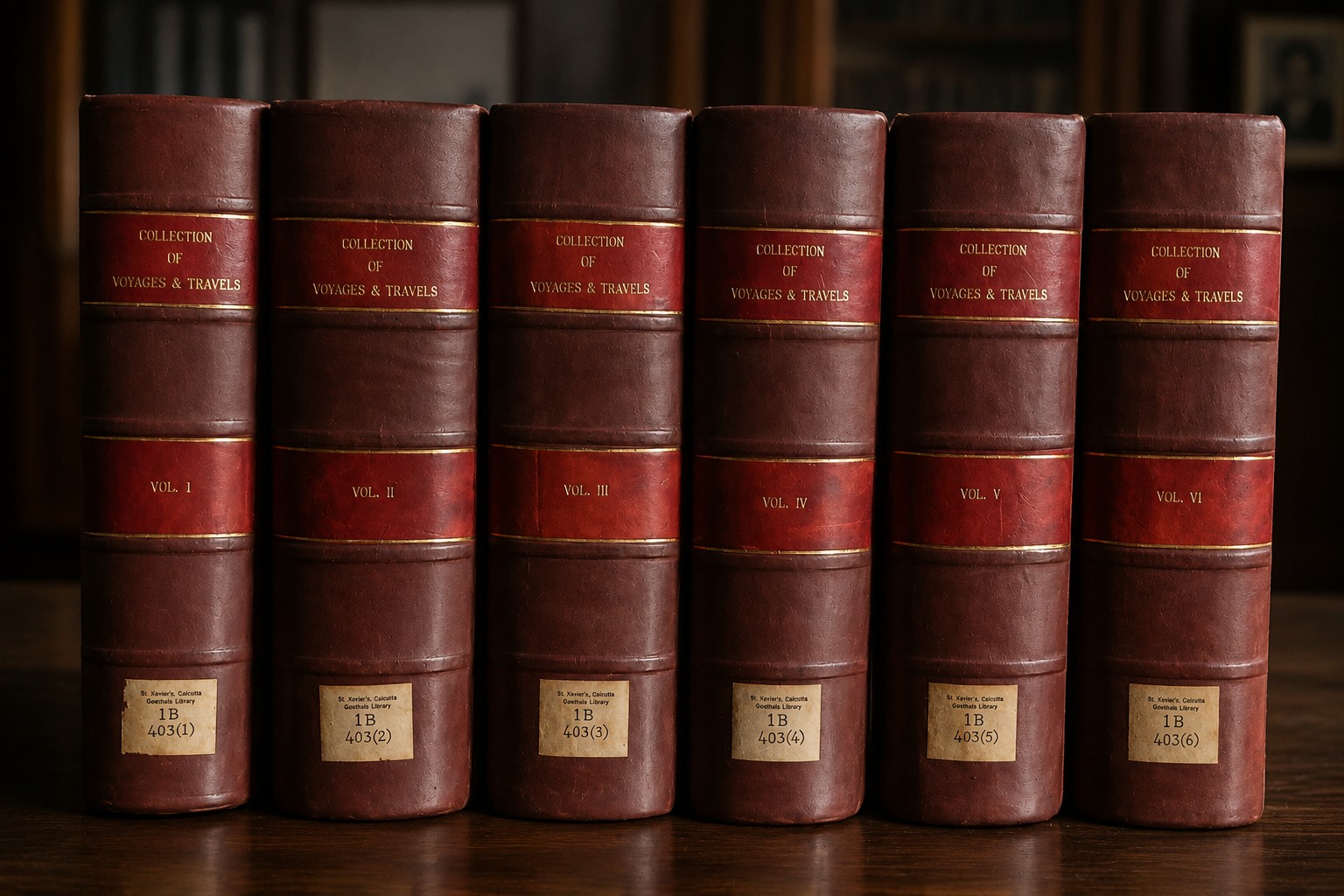
Following his death in Calcutta on 4 July 1901, Archbishop Goethals's remarkable personal library was preserved by the Jesuits and eventually transferred to St. Xavier's College, Kolkata, in 1908. This collection became the nucleus of what would later develop into the Goethals Indian Library & Research Society — one of India's most significant repositories for the study of South and Southeast Asia.
Over the decades, the collection has expanded far beyond its original holdings while remaining faithful to the scholarly spirit that inspired its founder. Rare books, manuscripts, maps, travel narratives, periodicals, and archival resources have transformed the library into an internationally recognised institution for research and reference.
Legacy and Continuing Influence
The influence of Archbishop Paul Goethals extends far beyond the institutions he established and the missions he supported. His true legacy lies in the intellectual vision he embodied: a vision that united faith with scholarship, learning with service, and cultural engagement with a profound respect for human dignity.
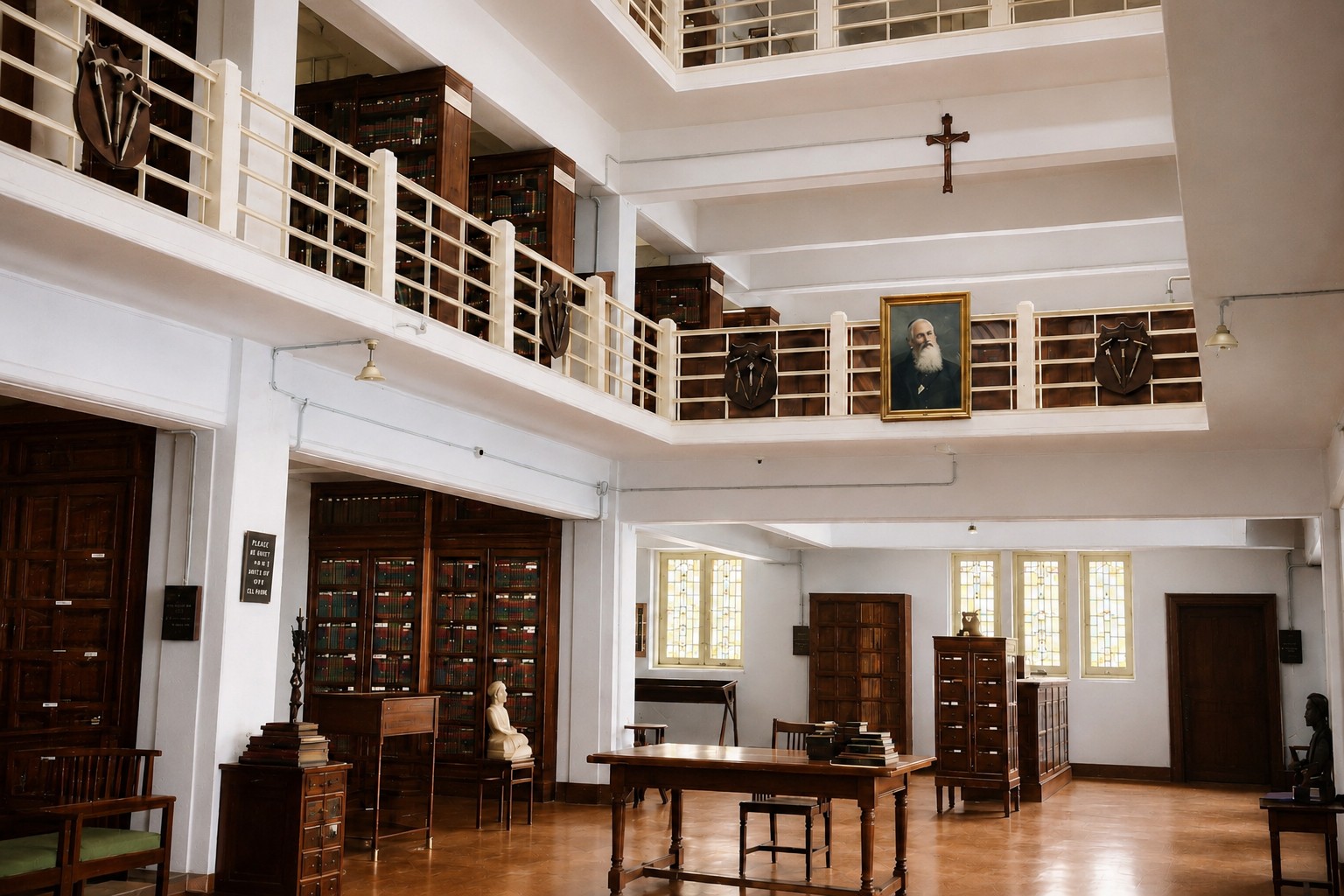
Today, the Goethals Indian Library & Research Society continues to champion that vision. Every rare volume, manuscript, map, and archival document preserved within its walls bears witness to the curiosity, generosity, and scholarly passion of the man whose name it proudly carries.
More than a repository of books, the institution remains a living expression of Archbishop Goethals's belief that the pursuit of knowledge is a service to humanity and a bridge between cultures, traditions, and generations.
More than a century after his death, Archbishop Paul Goethals continues to inspire scholars, researchers, students, and visitors from around the world. Through the Library that bears his name, his commitment to learning, dialogue, and the preservation of knowledge remains vibrantly alive, linking the intellectual heritage of the past with the discoveries of the future.