Fraser’s Views of Calcutta
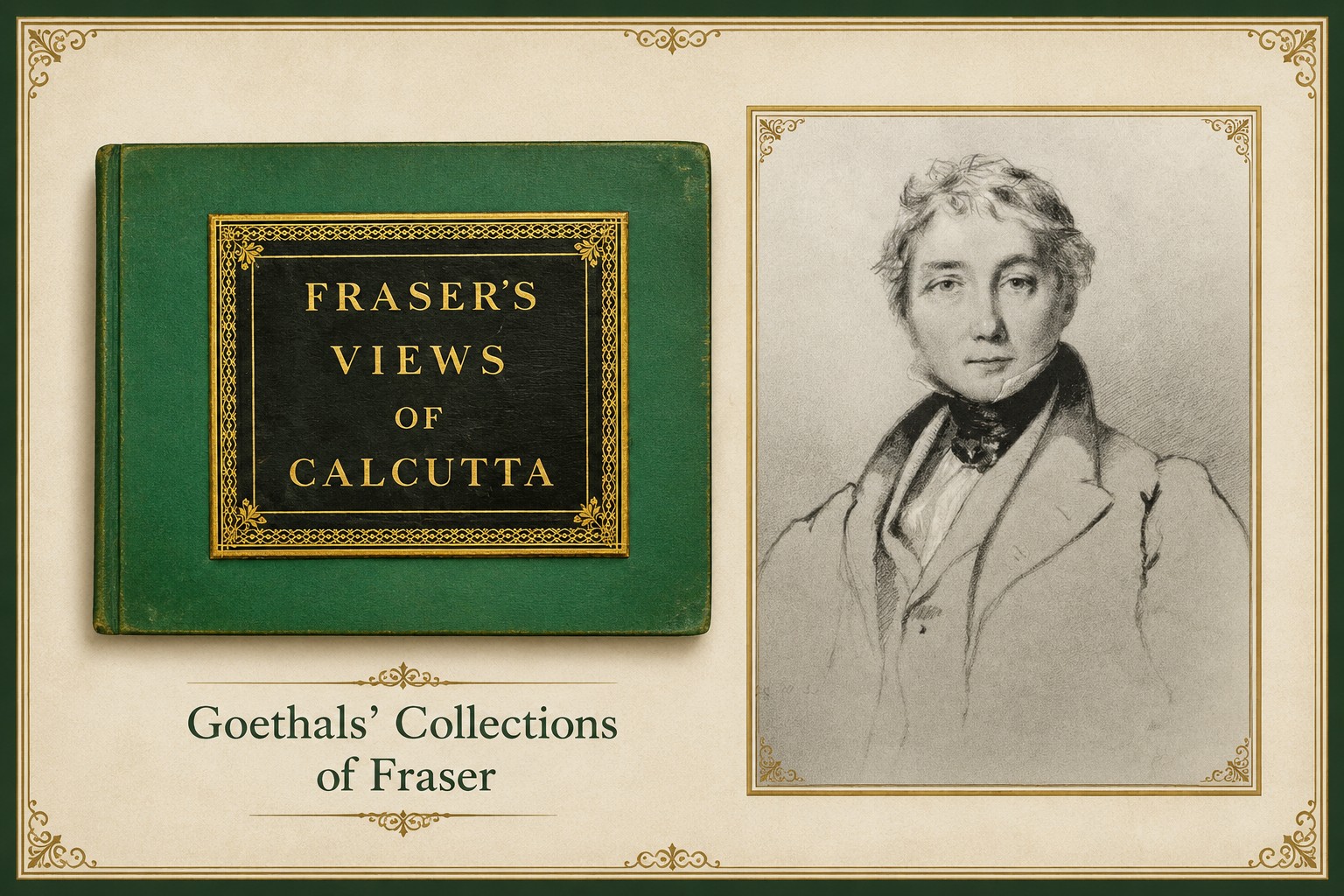
James Baillie Fraser (1783–1856) was a Scottish traveller, artist, writer, and one of the foremost topographical painters of British India. Arriving in Bengal in 1813, he travelled extensively across the Indian subcontinent, recording its landscapes, monuments, cities, and peoples with remarkable accuracy and artistic sensitivity. His works are distinguished by their meticulous observation, documentary precision, and enduring historical value. Through publications such as Views of Calcutta and its Environs and Views in the Himala Mountains, Fraser created some of the most important visual records of nineteenth-century India, leaving an invaluable legacy for historians, geographers, architects, and scholars of South Asian art and culture.
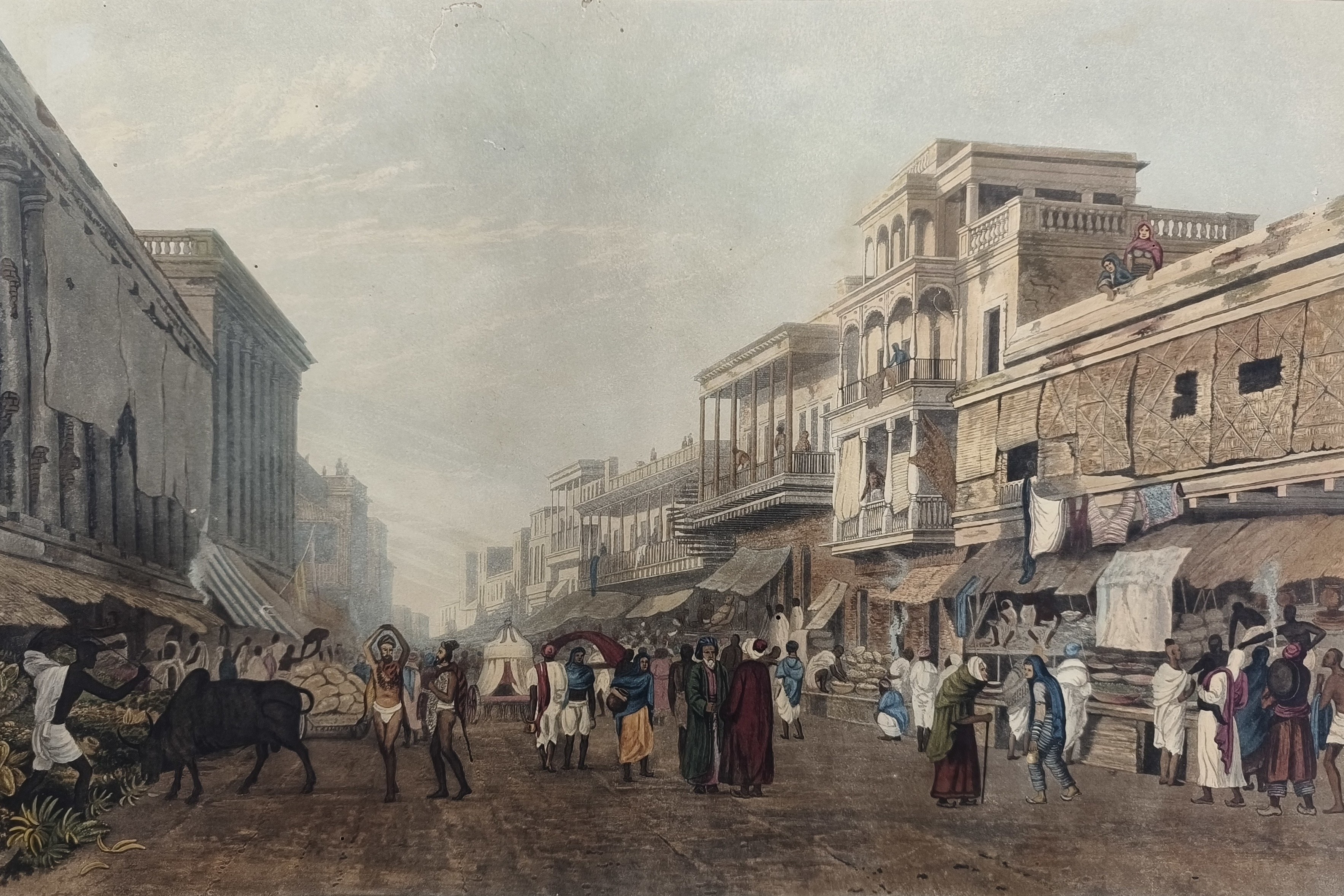
A View in the Bazaar, Leading to the Chitpore Road
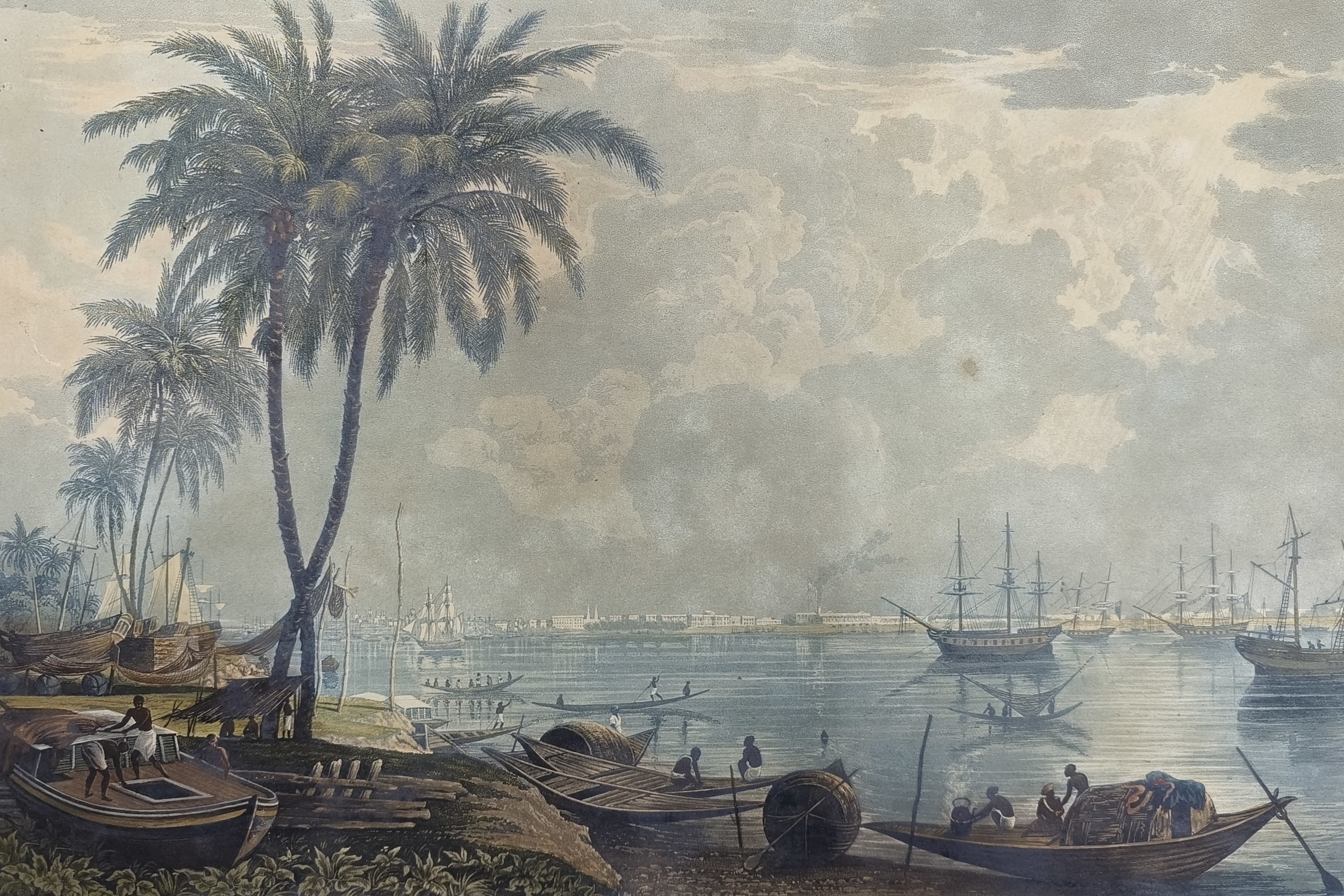
A View of Calcutta, From a Point Opposite to Kidderpore
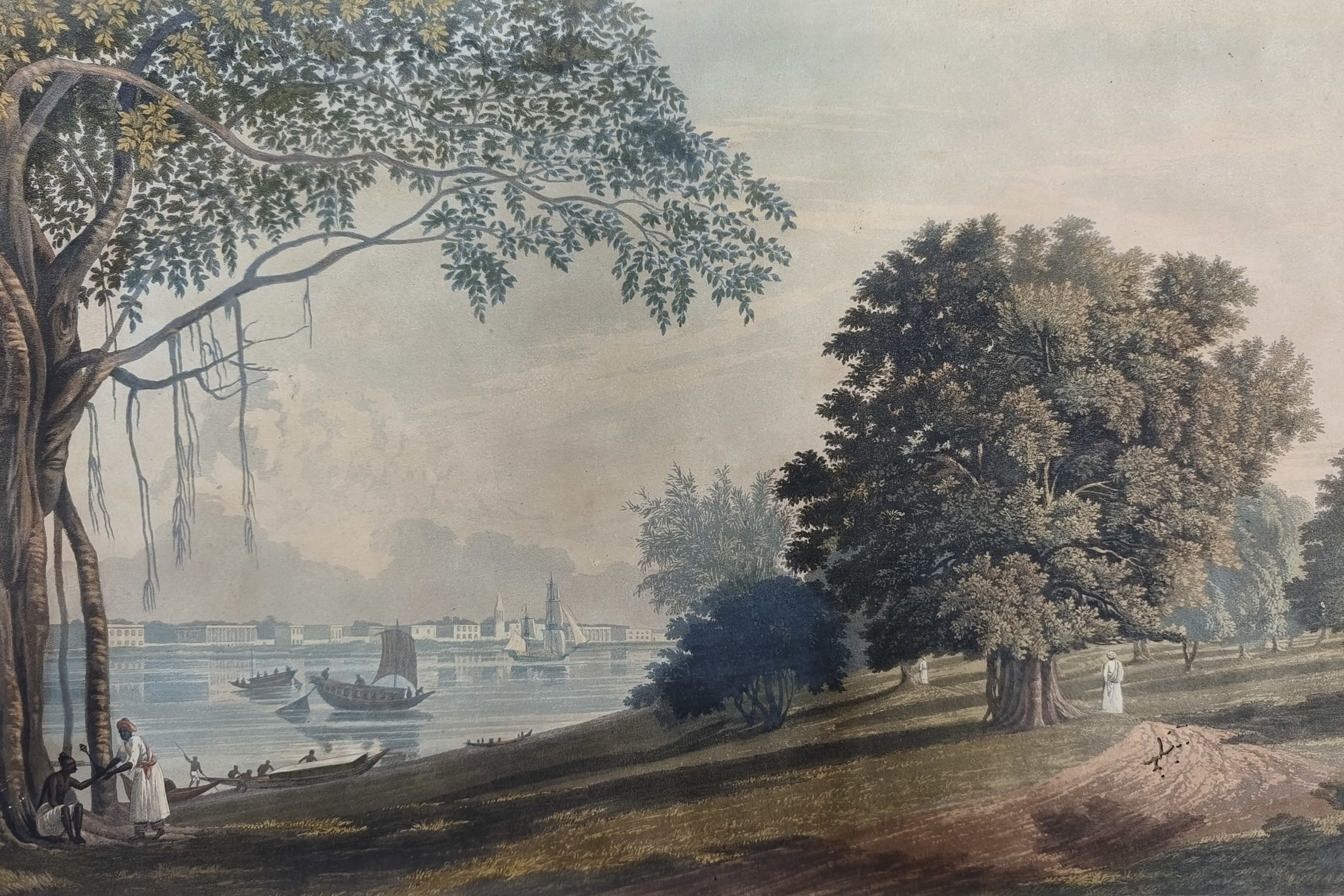
A View of Serampore, From the Park at Barrackpore
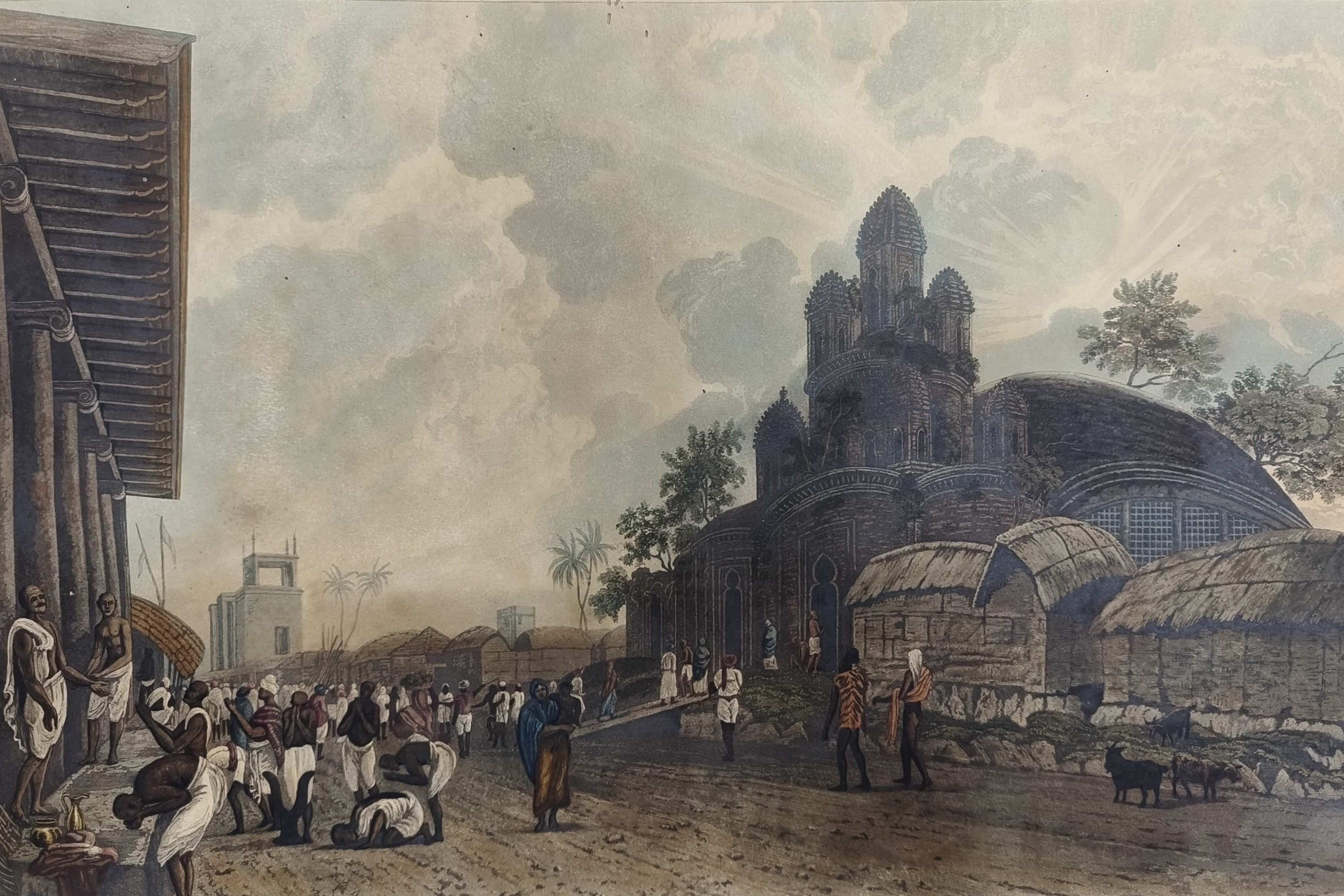
A View of the Black Pagoda on the Chitpore Road
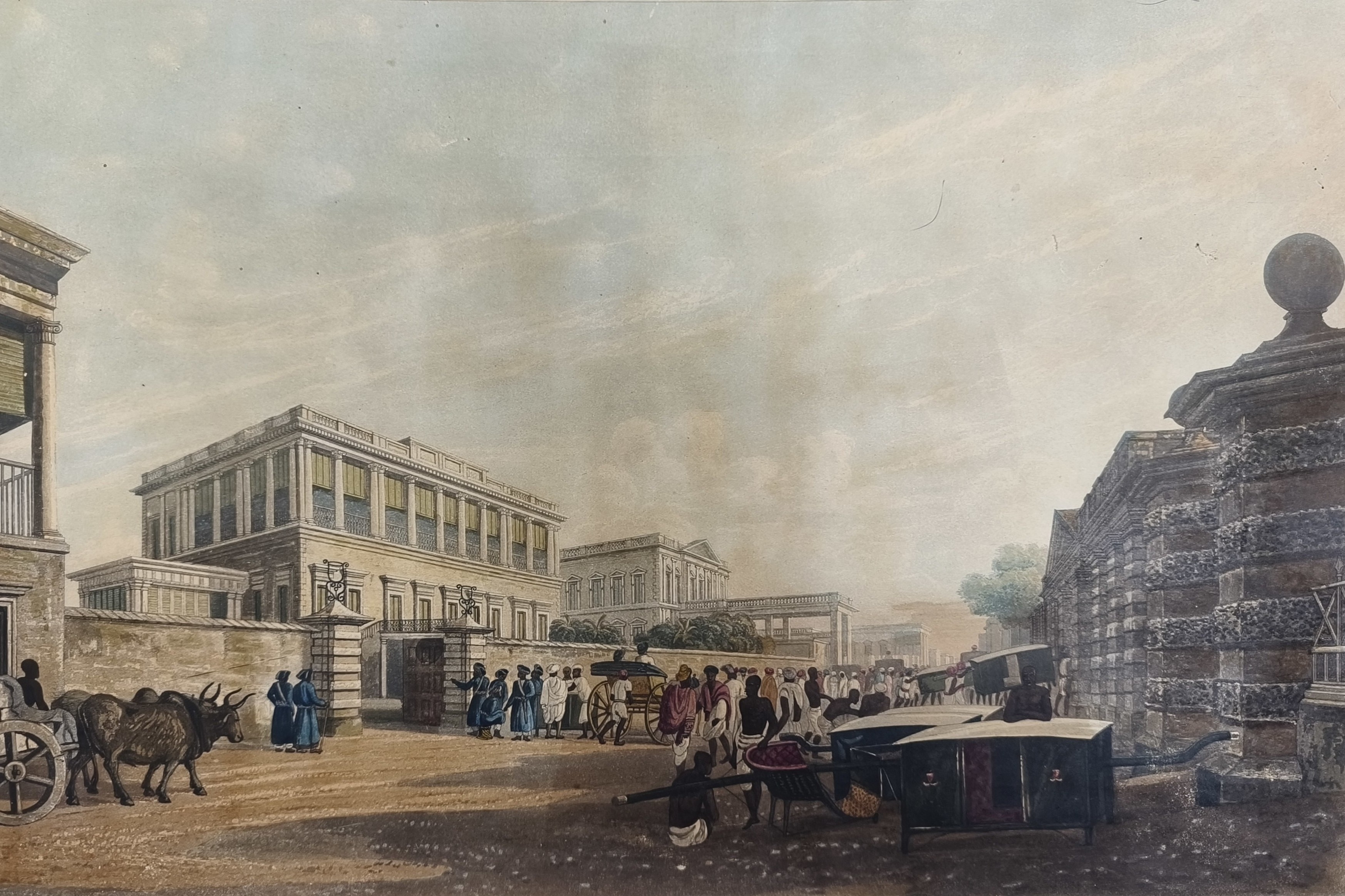
A View of the Loll Bazaar, from Opposite the House of John Palmer, Esquire
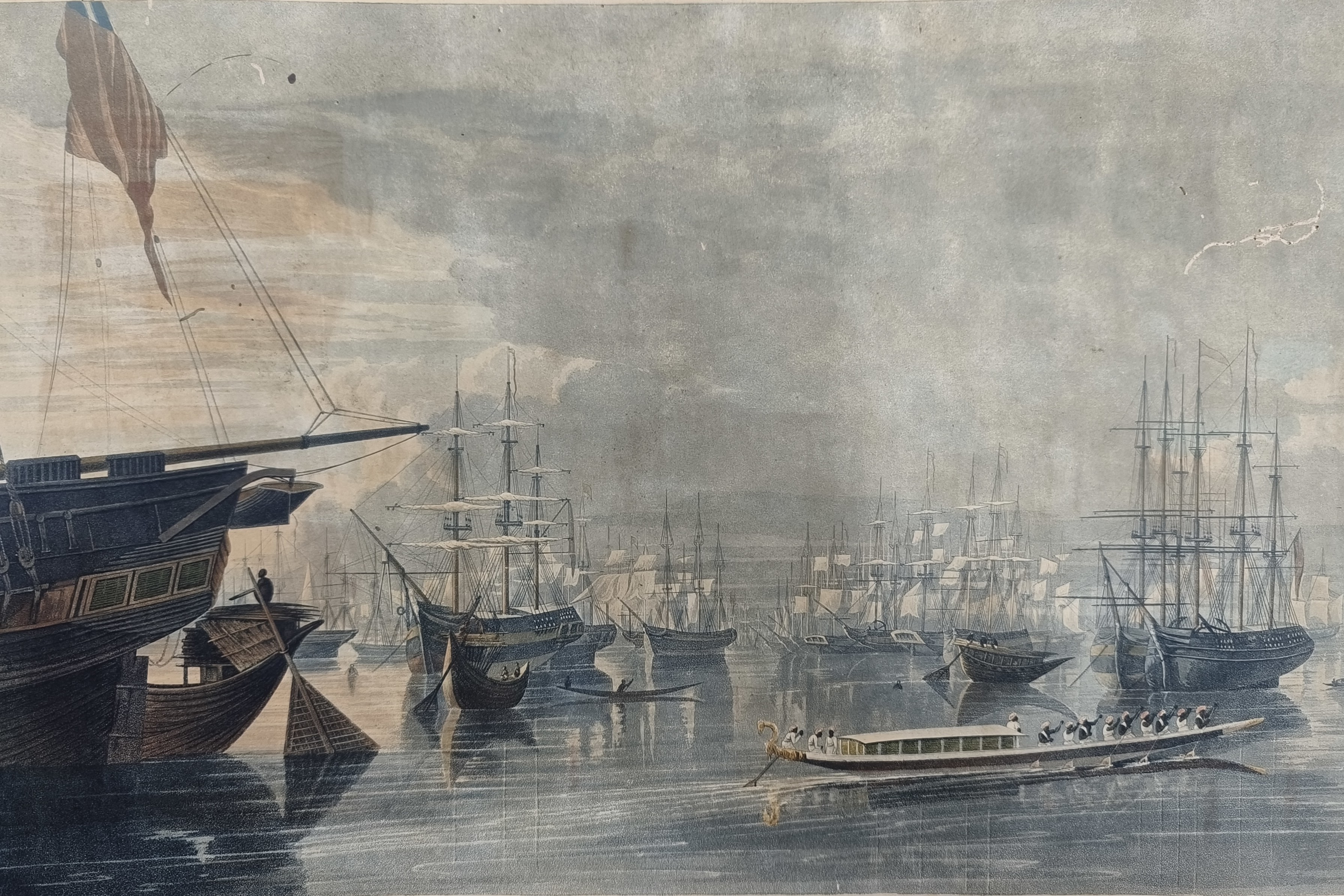
A View of the River, Shipping and Town, from near Smith's Dock
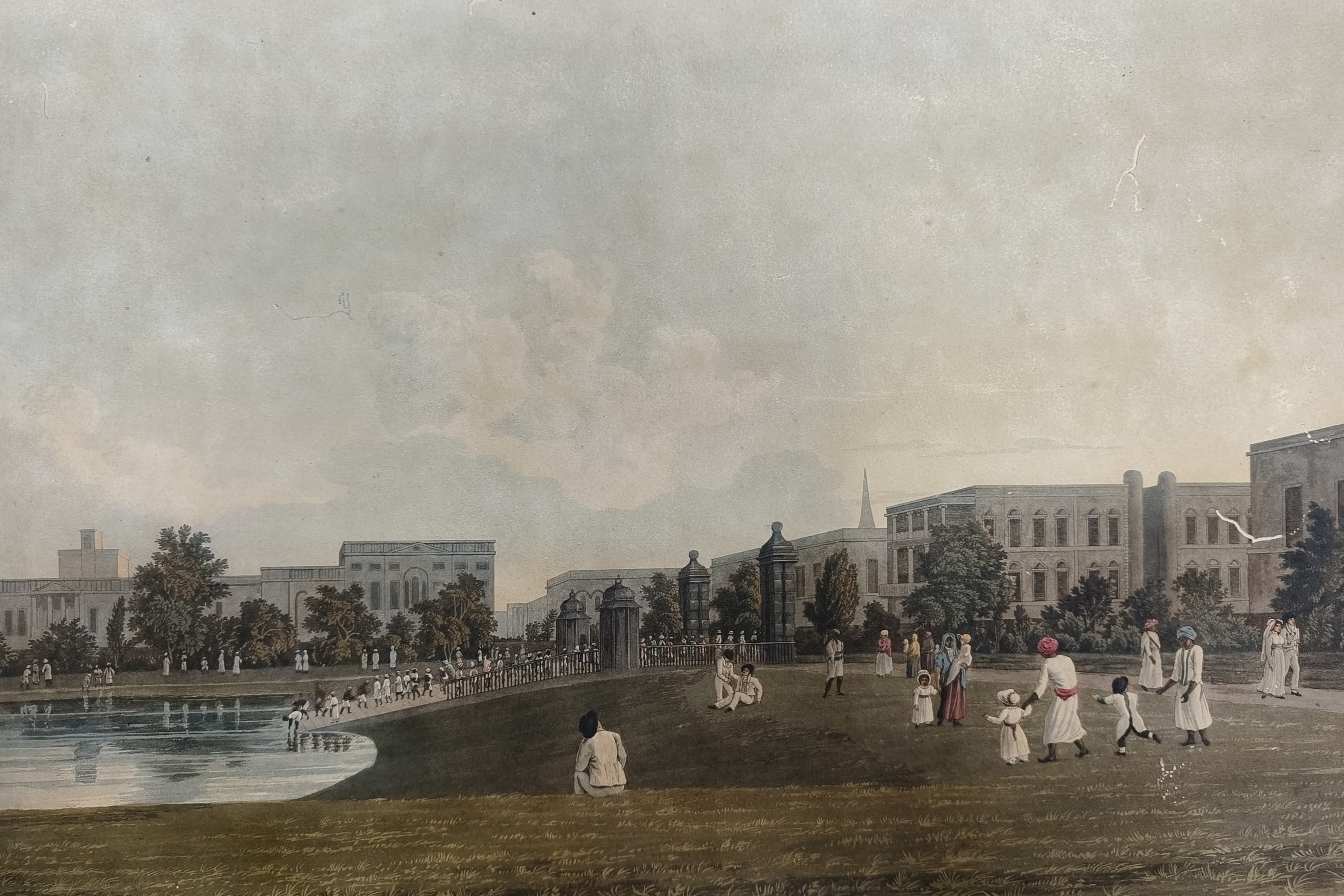
A View of the West Side of Tank Square
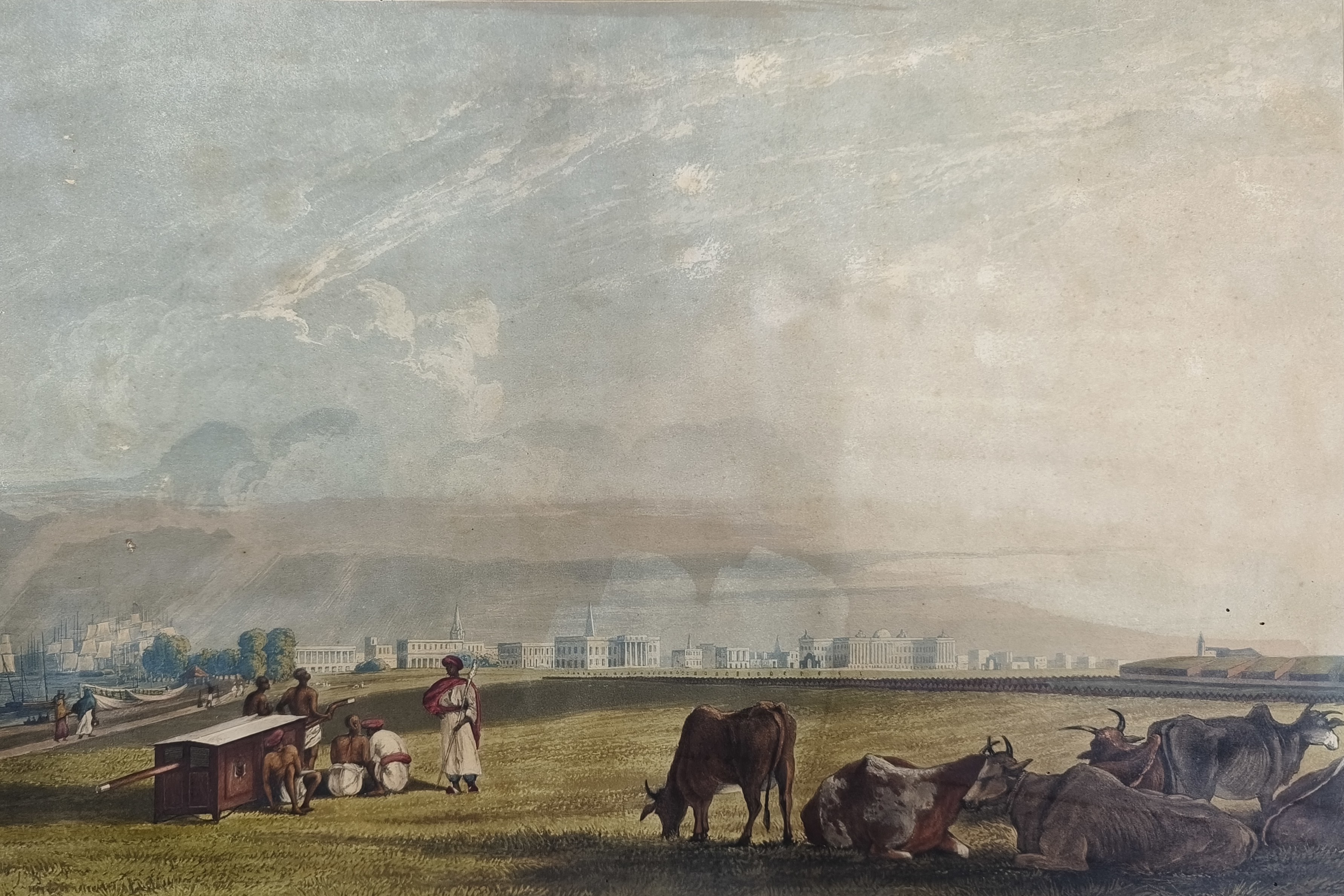
View of Calcutta From the Glacis of Fort William
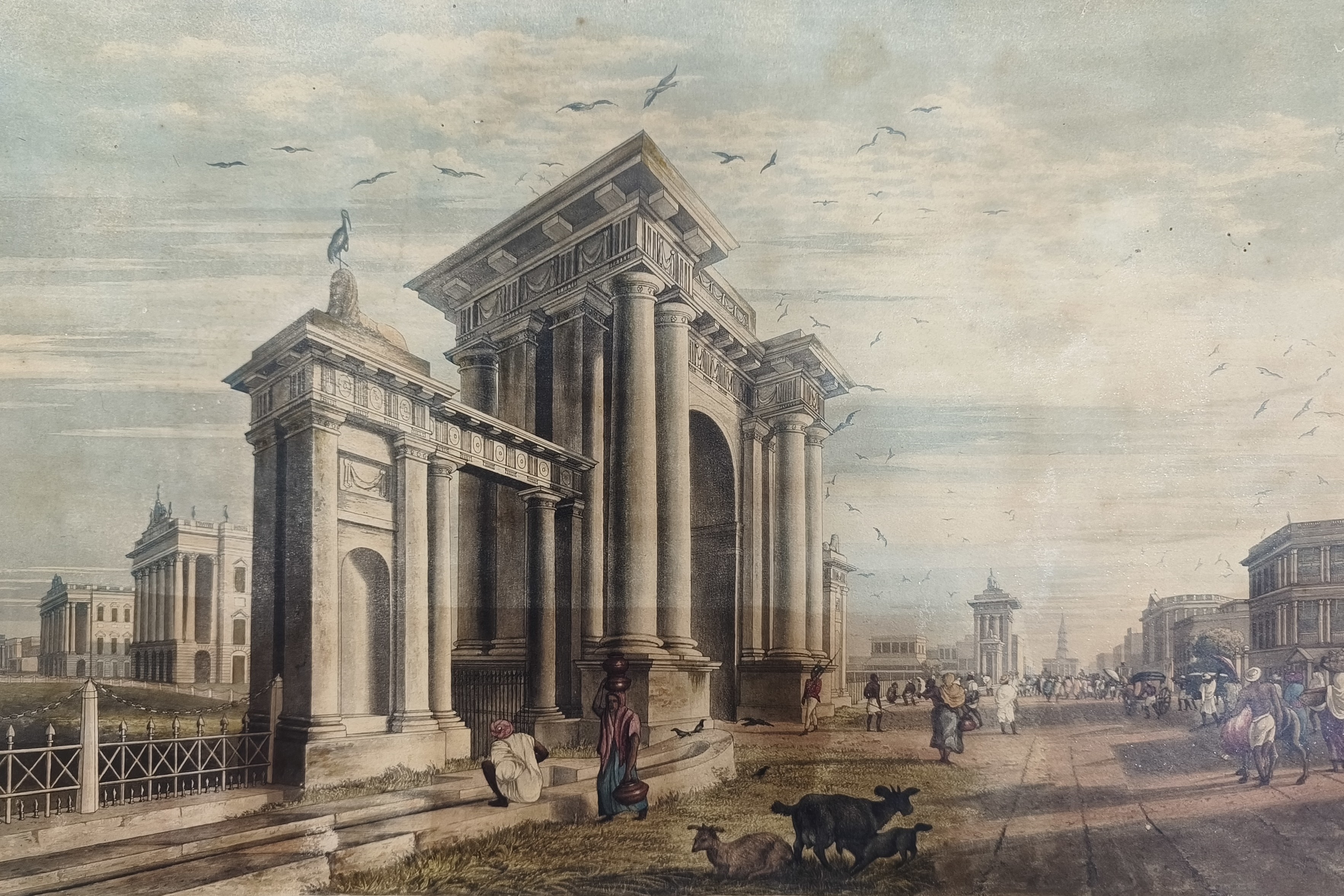
View of Court House Street, From Near the South Eastern Gate of Government House
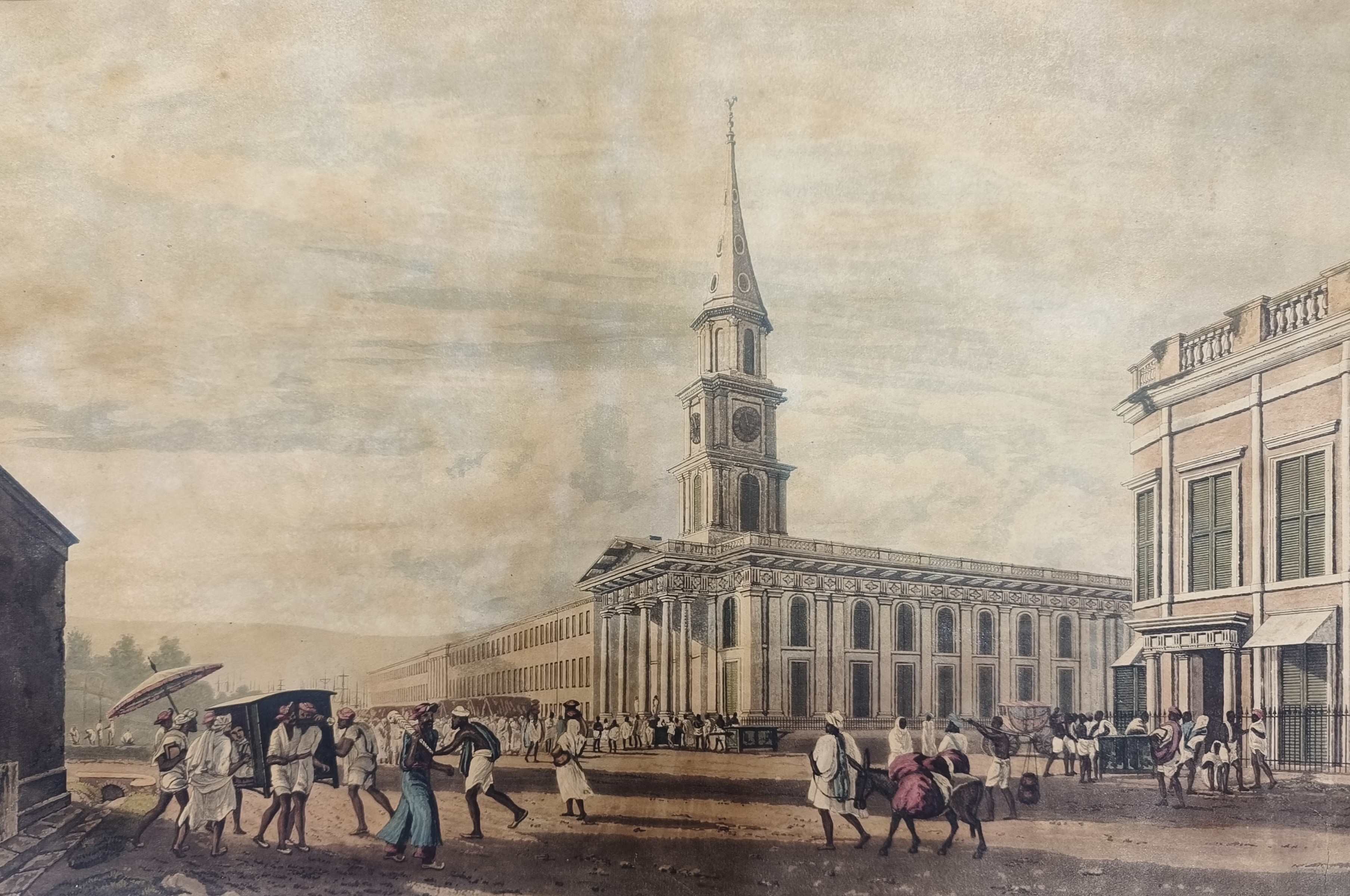
View of St. Andrew's Church, From Mission Row
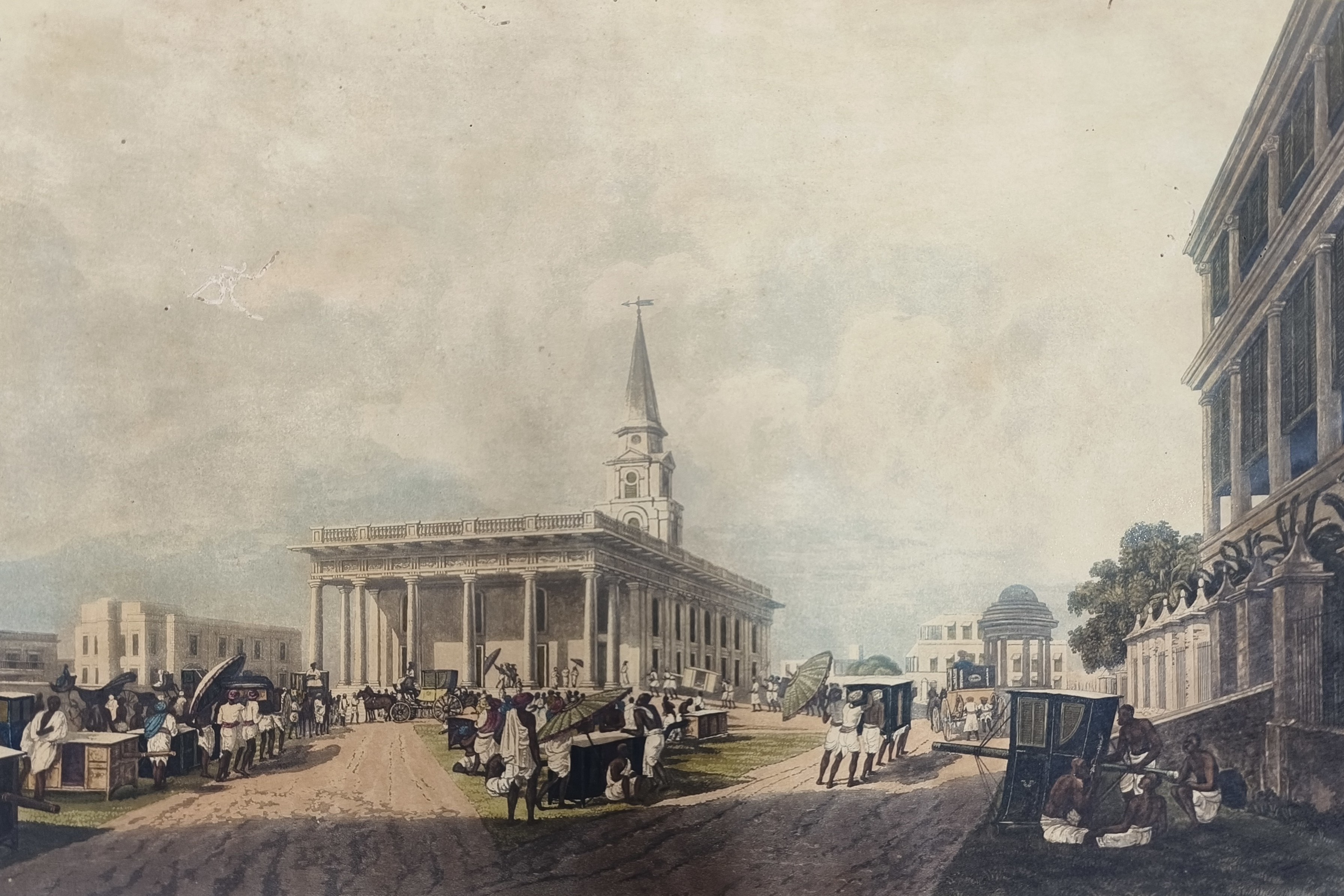
View of St. John's Cathedral
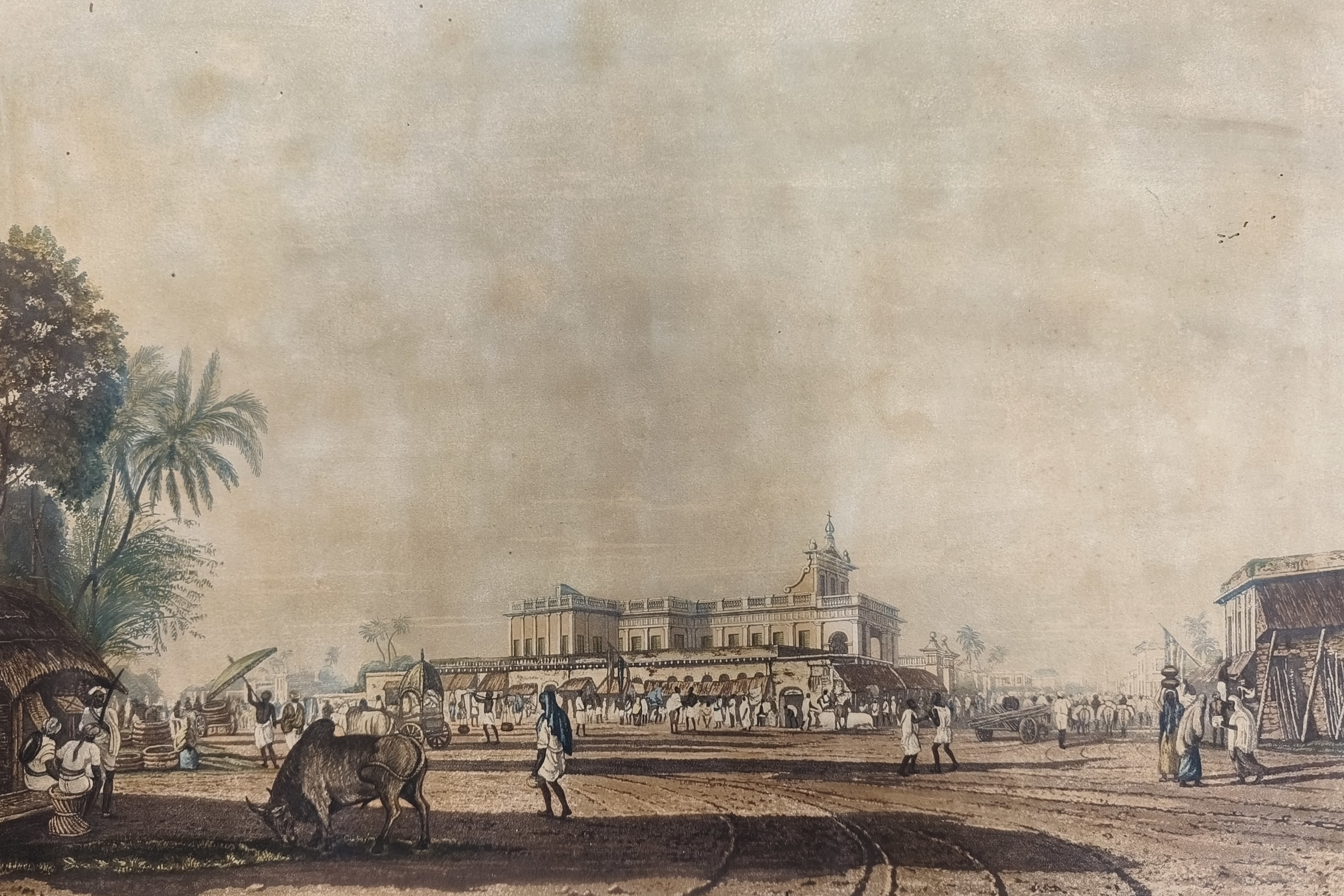
View of the Loll Bazaar and Portuguese Chapel, From the Circulur Road
James Baillie Fraser’s Views of Calcutta and its Environs (1824–1826) stand among the most distinguished visual chronicles of early nineteenth-century Bengal. Consisting of twenty-four exquisite hand-coloured aquatints, the series presents a sweeping panorama of a metropolis undergoing rapid transformation into the premier administrative, commercial, and cultural capital of British India.
Unlike his predecessors Thomas and William Daniell—who framed the Indian landscape through the idealised, tranquil lens of the Picturesque—Fraser approached Calcutta with the precise eye of a topographical draughtsman and the acute sensibility of a social observer. Resident in Bengal from 1813, he executed his original watercolour sketches between 1819 and 1821, capturing the city's grand neoclassical edifices alongside its vibrant everyday streetscapes. When these drawings were sent to London to be rendered by master engravers—including Robert Havell, famed for his engravings of Audubon’s Birds of America—the resulting aquatints achieved an extraordinary synthesis of architectural grandeur and human dynamism.
Far exceeding mere decorative scenery, Fraser's aquatints constitute invaluable historical records. They preserve the early appearance of landmark civic spaces, riverfronts, public buildings, and religious monuments prior to later urban expansion, while documenting the rich diversity of a dynamic multicultural society. Within these compositions, European officials, Indian merchants, artisans, pilgrims, boatmen, labourers, and street vendors coexist, offering rare insight into the complex social fabric of the ‘City of Palaces.’
By fusing rigorous documentary precision with subtle artistic refinement, Fraser transformed urban topography into living history. Today, his portfolio remains an indispensable reference for historians, architects, and scholars of colonial South Asia.
The Goethals Indian Library & Research Society is pleased to present this curated selection from Fraser's celebrated series, thereby reaffirming its commitment to preserving, studying, and making accessible India's rich visual heritage for modern audiences. More than two centuries after they were first conceived, Fraser's views continue to illuminate the architectural splendour, urban evolution, and social life of nineteenth-century Kolkata, offering an unparalleled visual record of one of Asia's greatest colonial cities.