The City as Panorama: William Wood Junior’s Calcutta
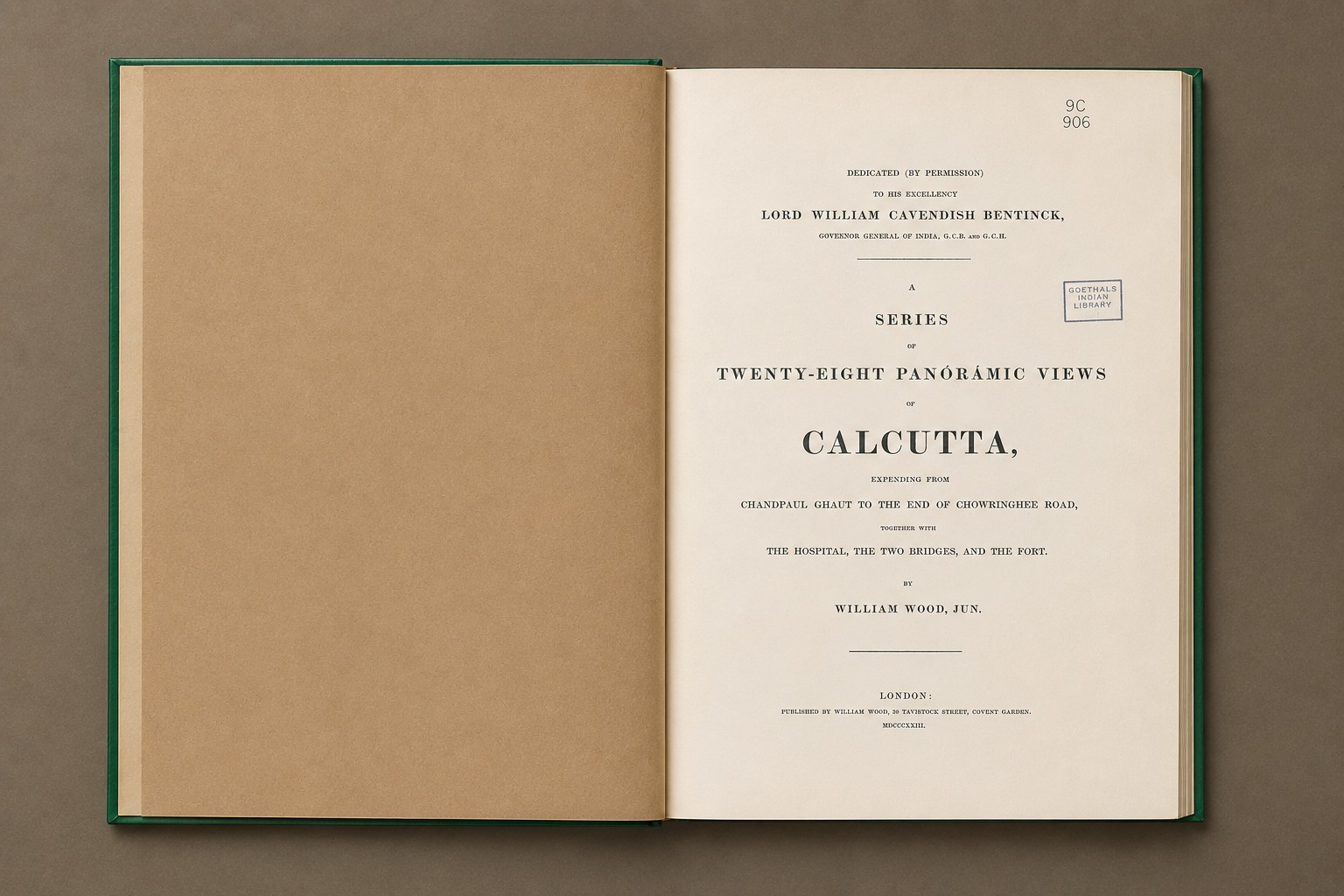
William Wood Junior was an English draughtsman and lithographer whose remarkable views of Calcutta constitute one of the most valuable visual records of the city in the early nineteenth century. Arriving in Calcutta around 1828, he joined his brother, George Wood, who was associated with the Asiatic Lithographic Press, an important centre in the city’s emerging culture of lithographic printing.
During his years in Calcutta, approximately 1828–1832, Wood observed and sketched the city at close quarters — its riverfront, great public buildings, broad avenues, open spaces, and the rapidly developing architectural landscape of the Esplanade and Chowringhee. Many of his plates bear the revealing inscription, “From nature and on stone by W. Wood, Junr.”—testimony to his direct observation of the city and his involvement in translating those observations into lithographic form
His celebrated series was published in London in 1833 under the title A Series of Twenty-Eight Panoramic Views of Calcutta, Extending from Chandpaul Ghaut to the End of Chowringhee Road, together with the Hospital, the Two Bridges, and the Fort.
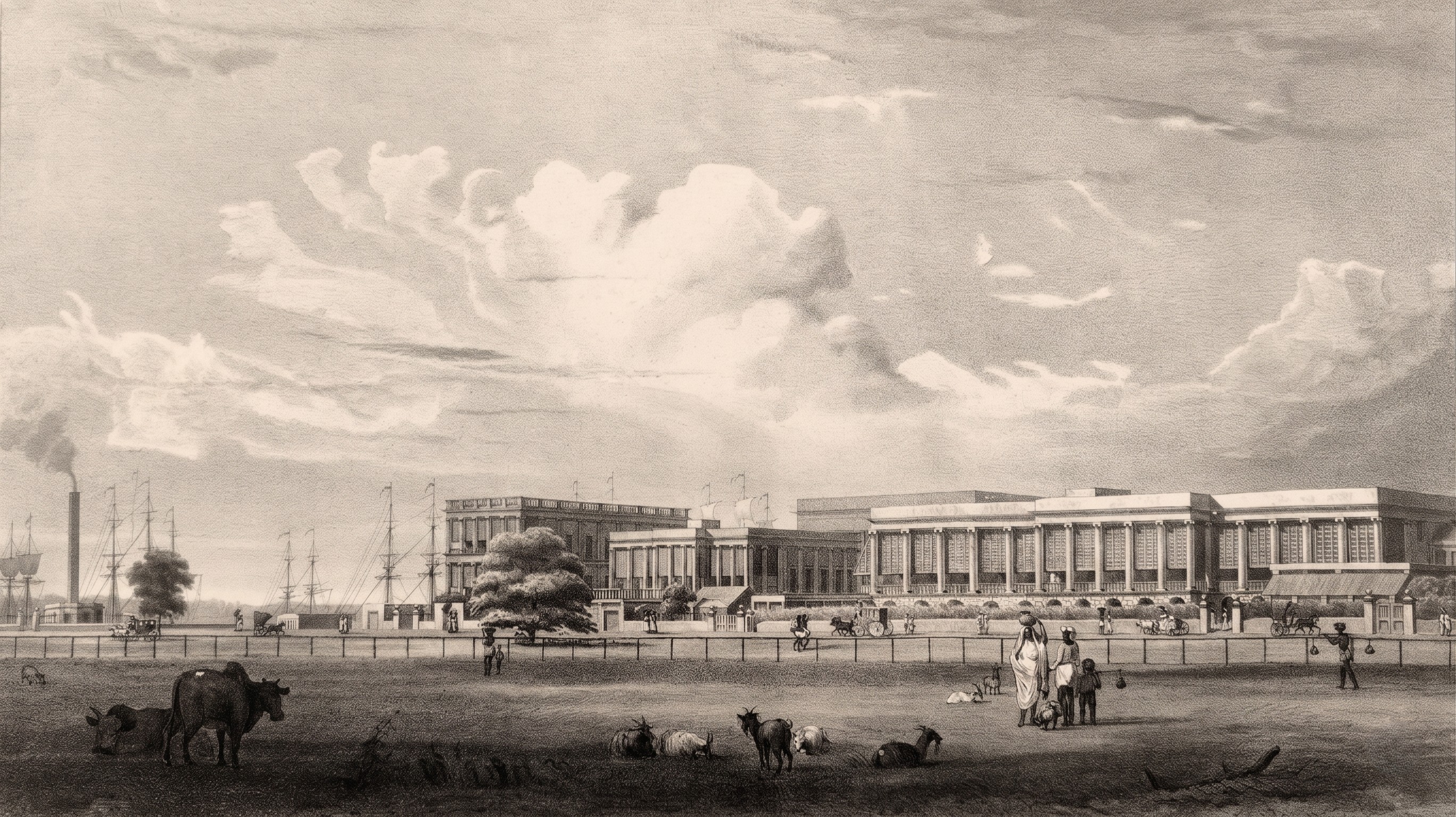
Chandpaul Chaut (Steam Engine & Supreme Court)
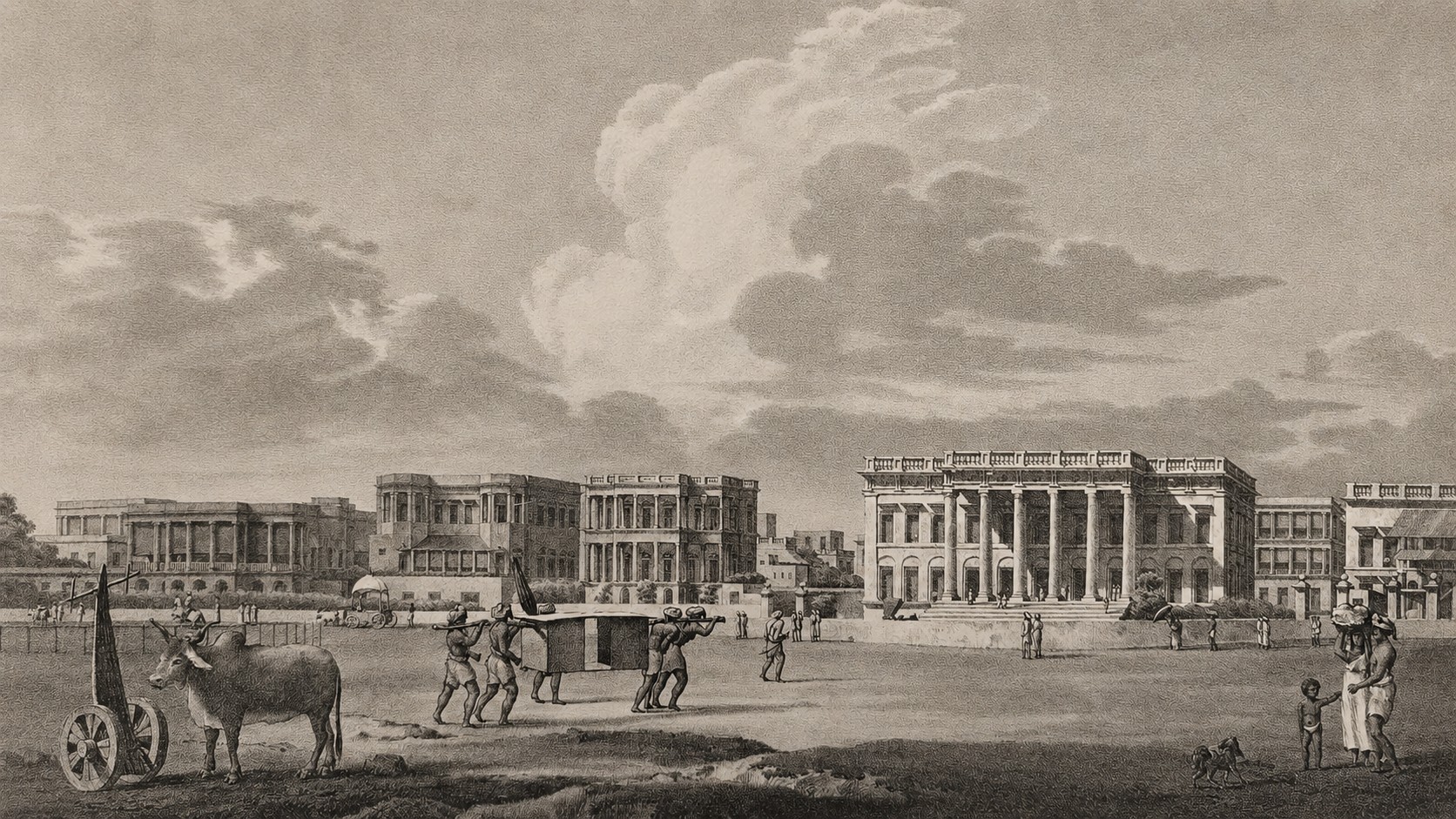
Esplanade Row (Town Hall)
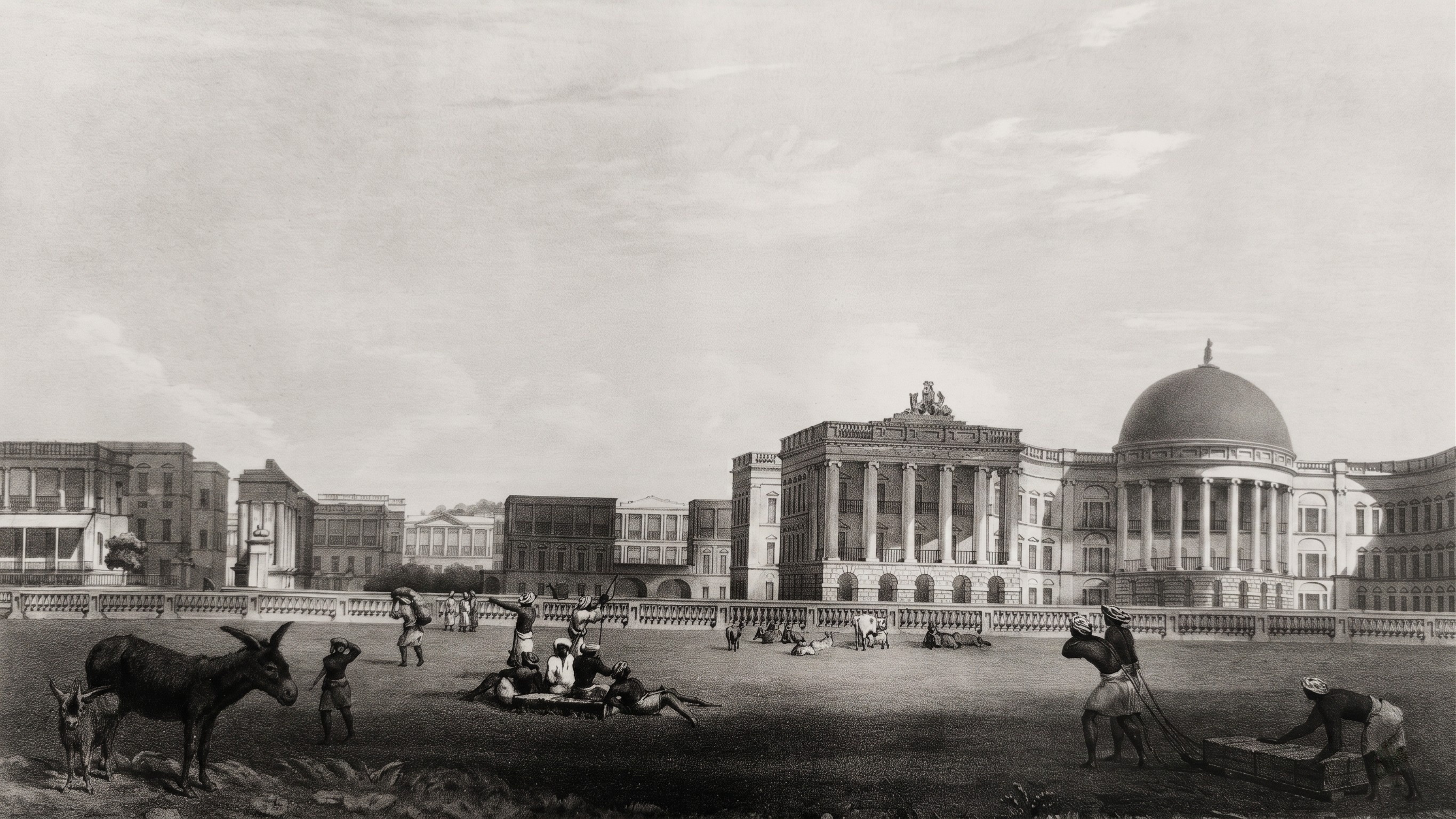
Esplanade Row (Treasury & Government House)
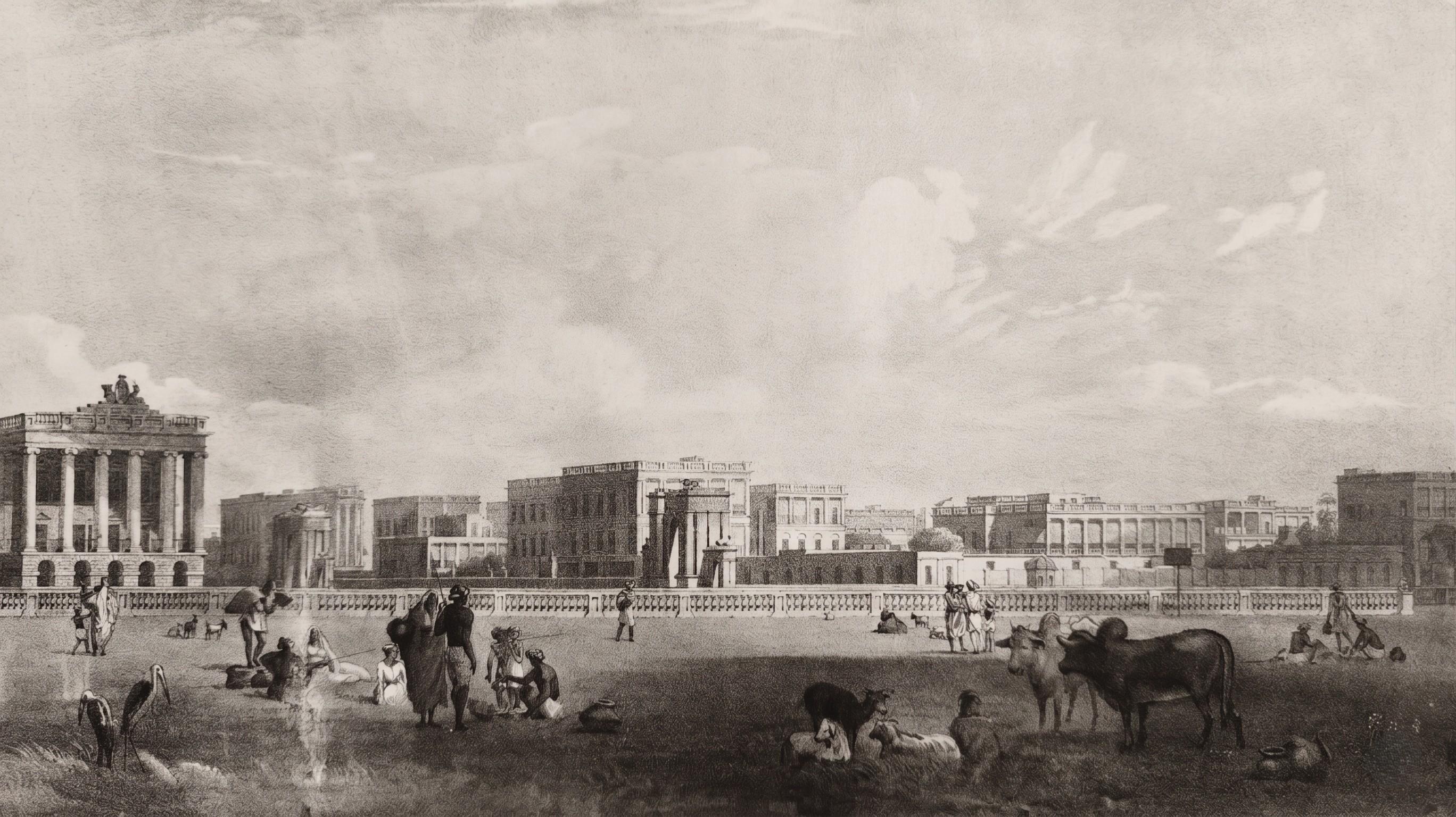
Esplanade Row (Right Wing of Government House & Entrance to Government House)
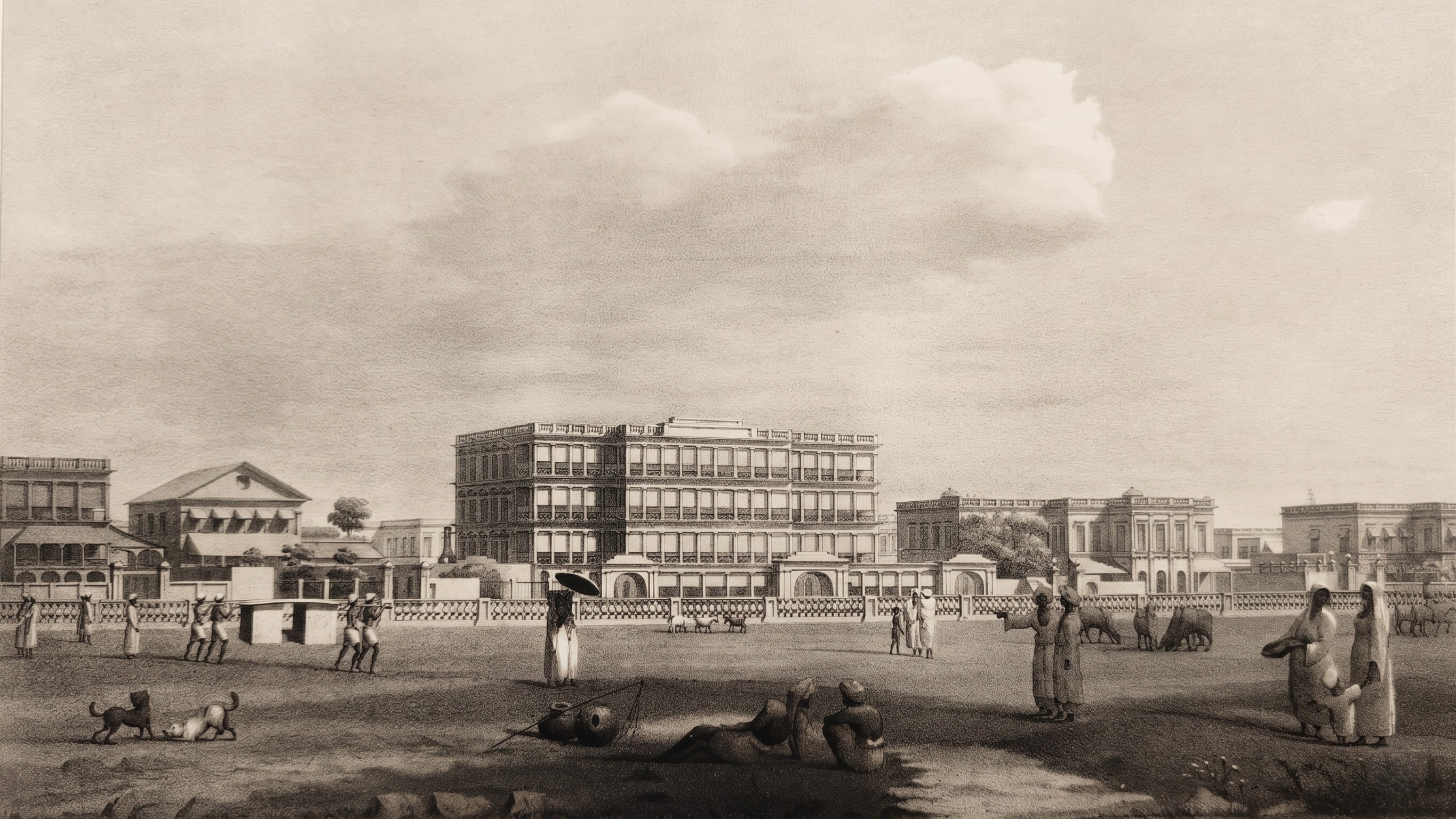
Esplanade Row (Club House)
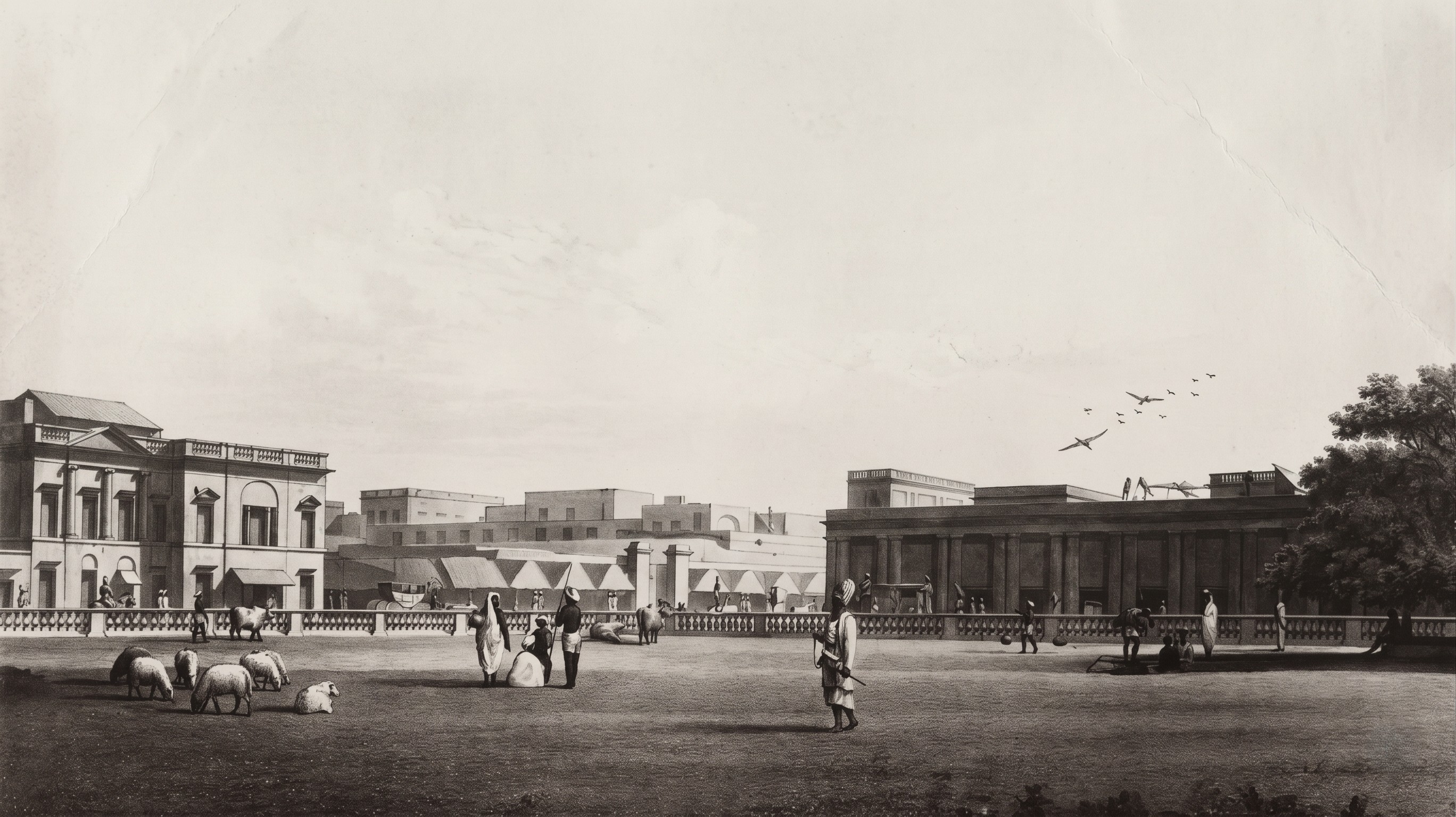
Esplanade Row (Cossitollah Road & Durrumtollah Road), Chowringhee Road (Oil Bazaar)
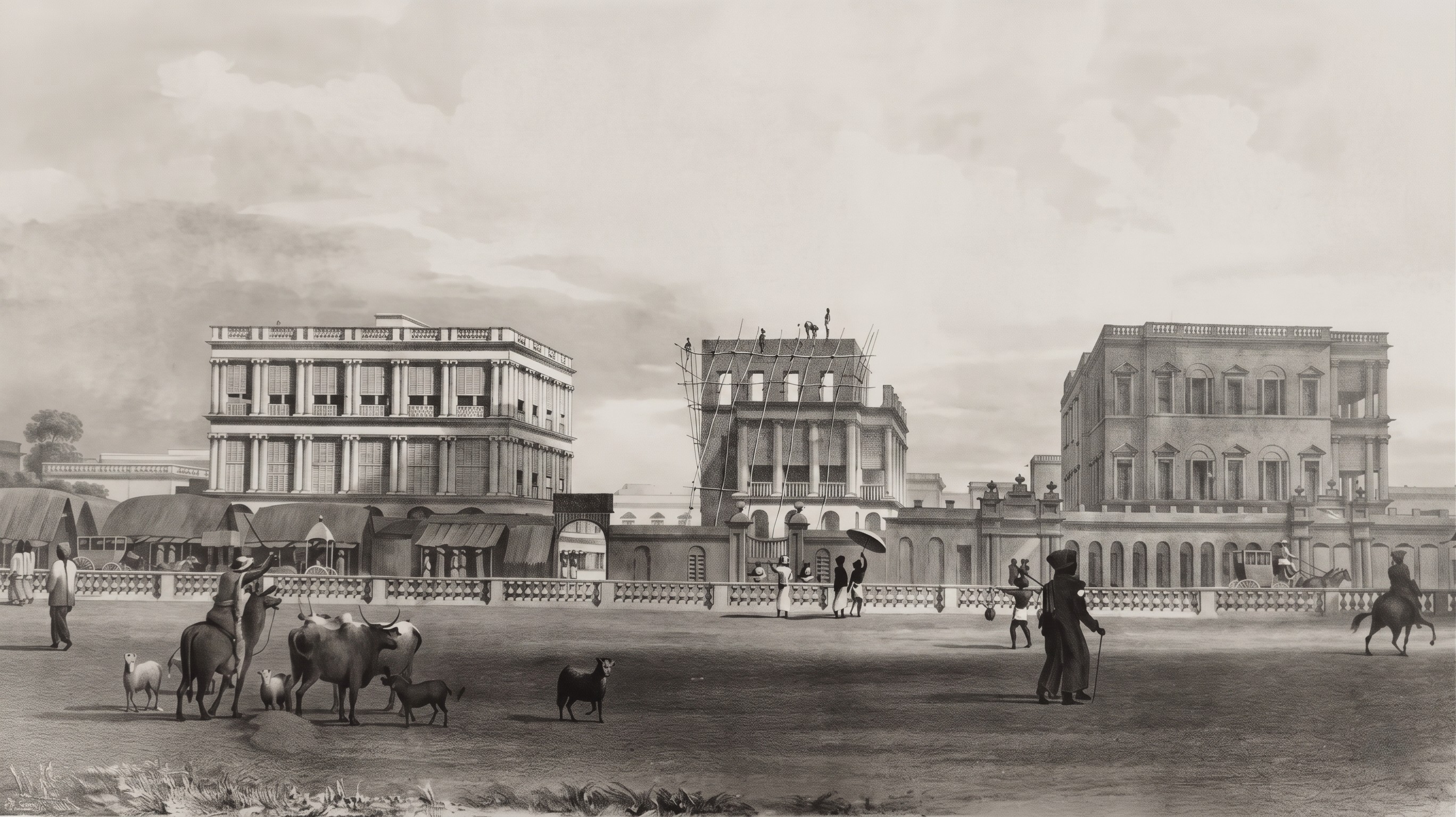
Chowringhee Road
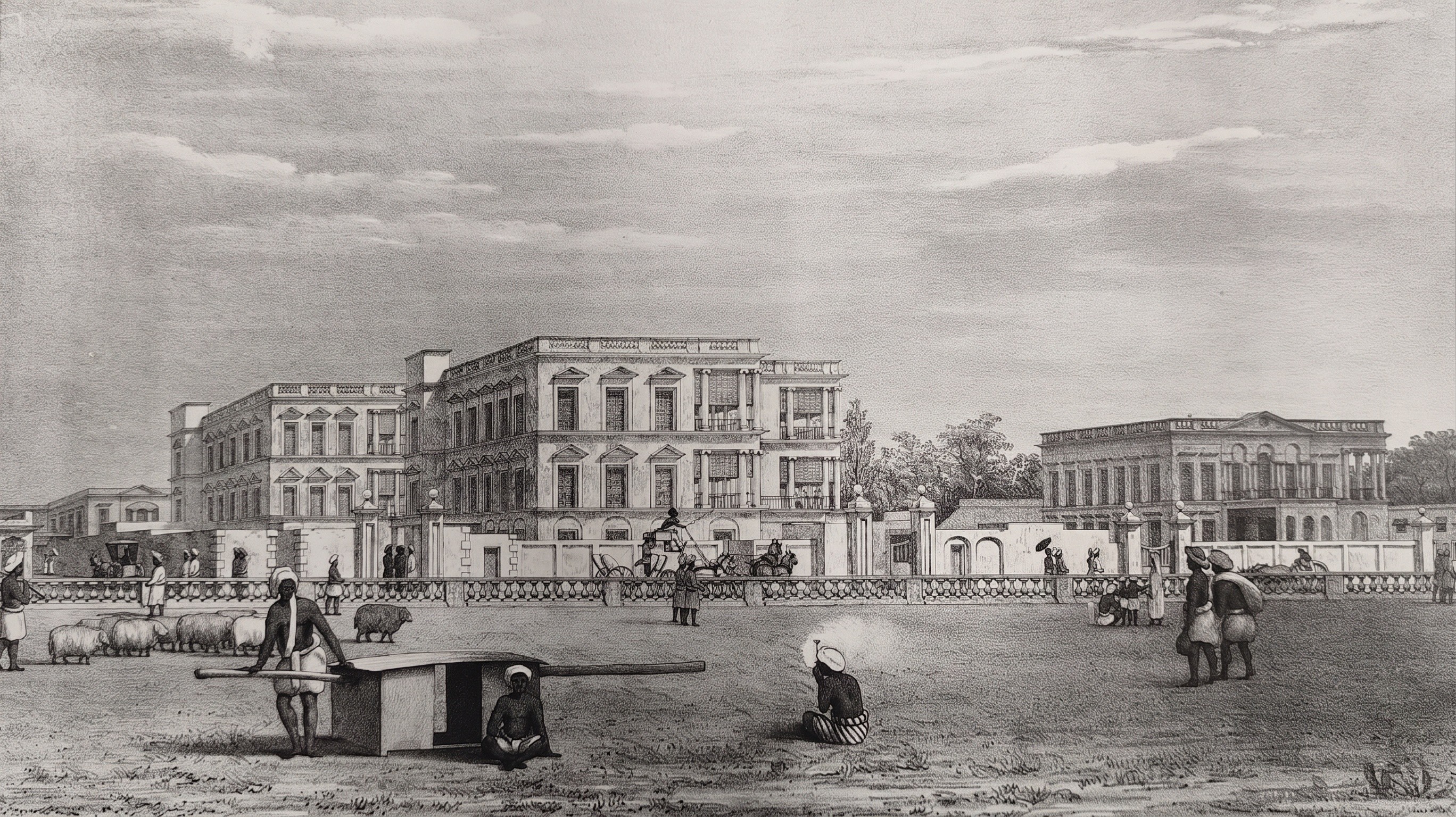
Chowringhee Road (Juan Bazaar St.)
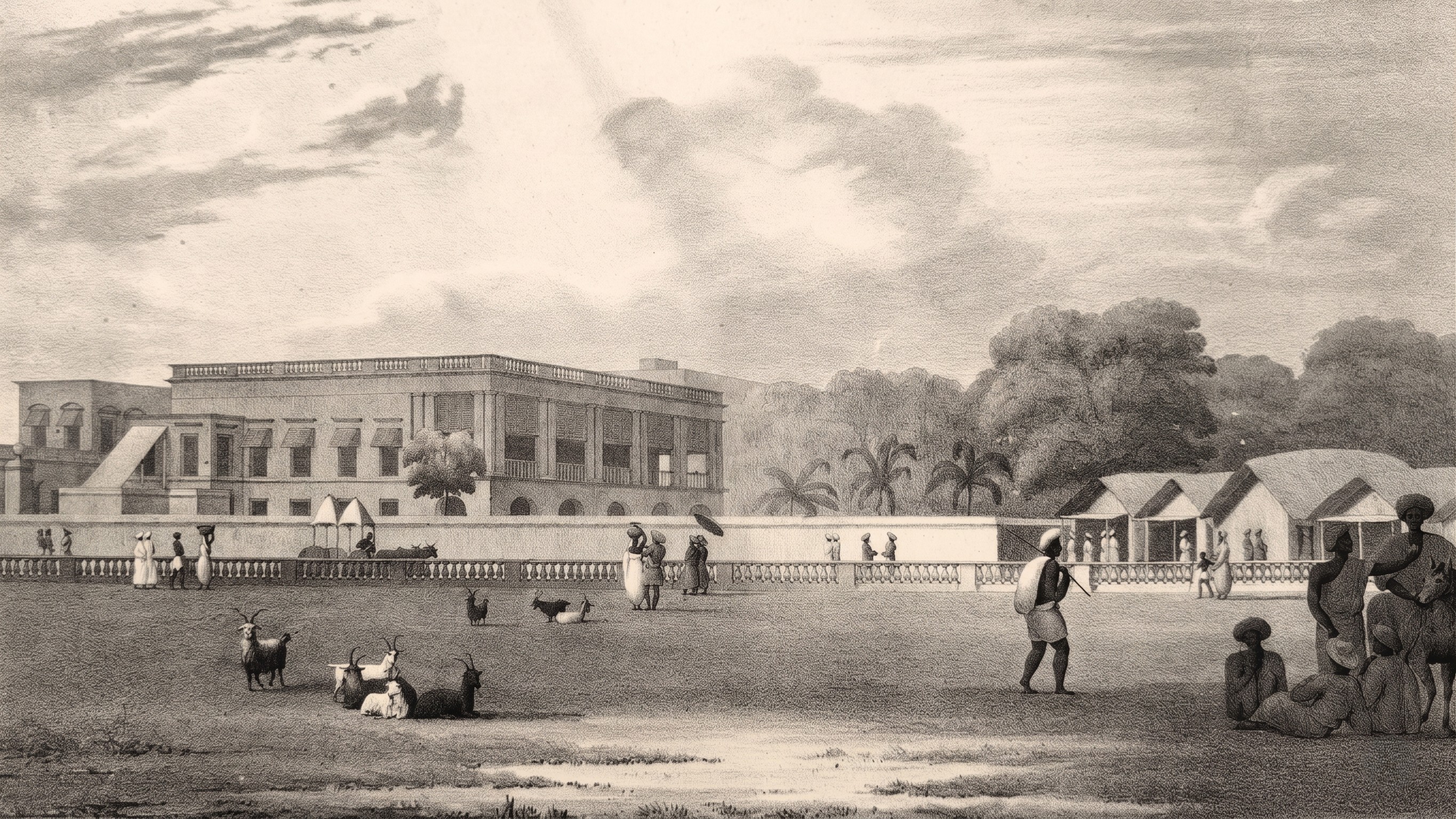
Chowringhee Road
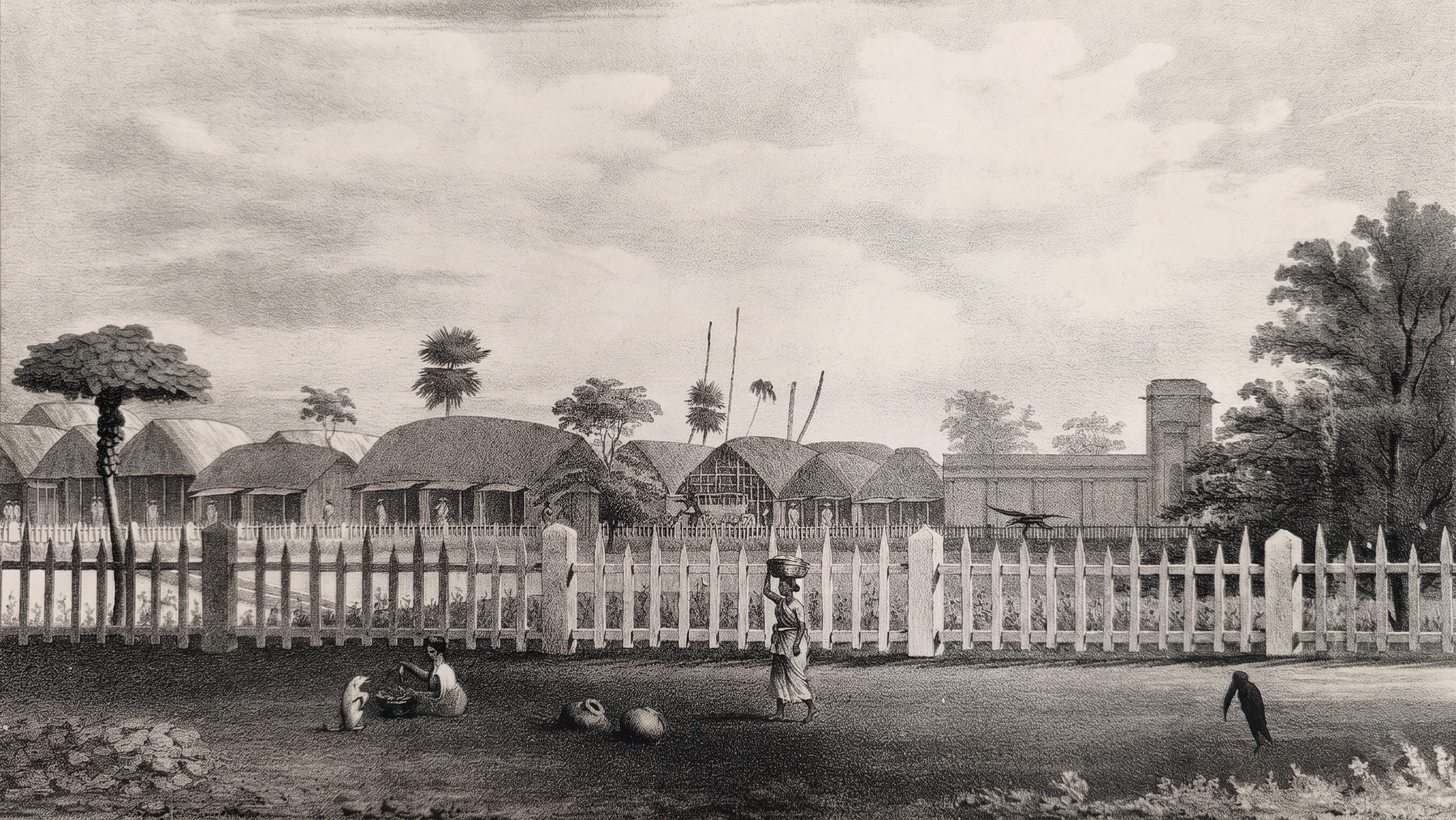
Chowringhee Road (Monohur Doss's Tank)
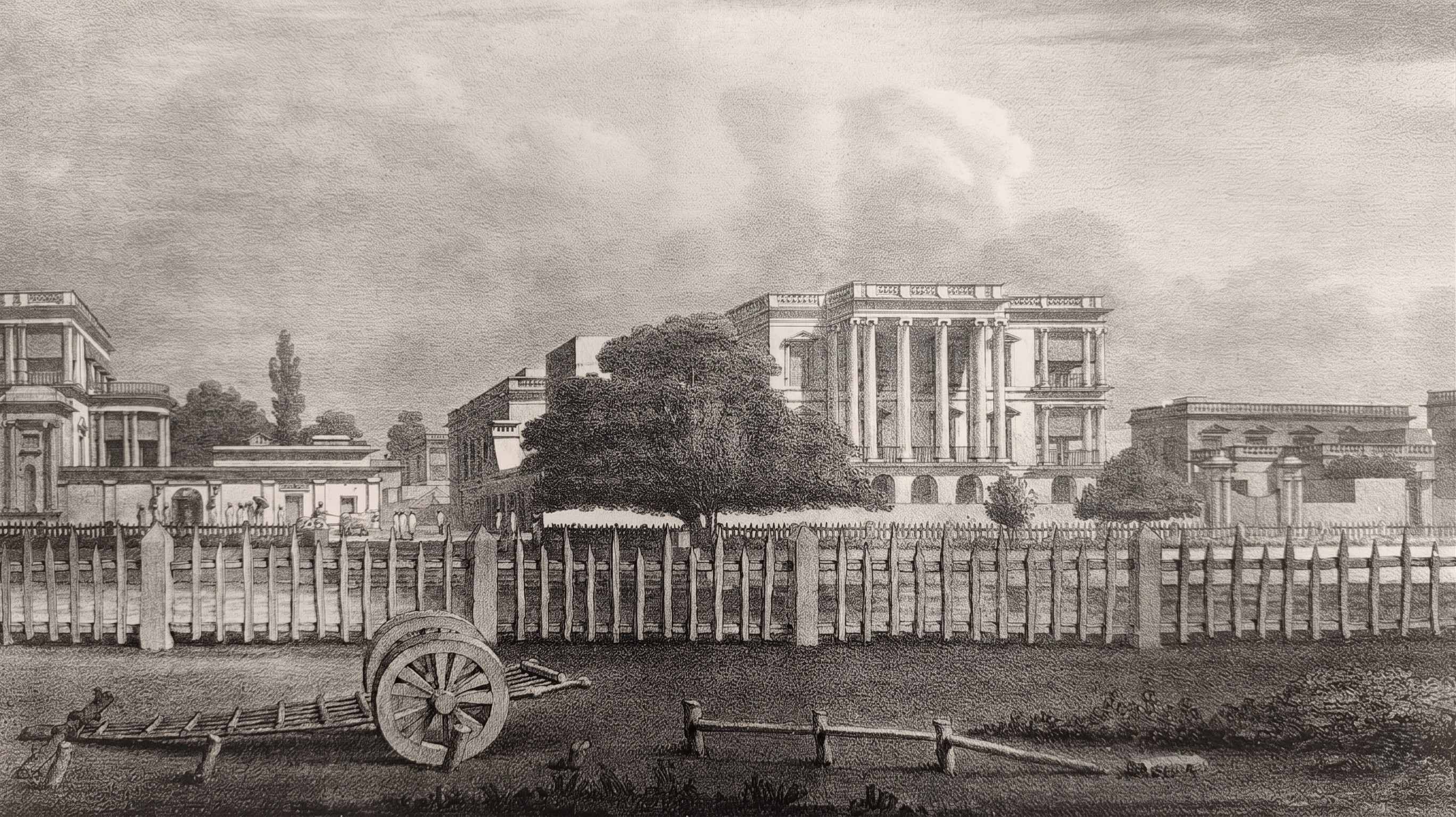
Chowringhee Road (General Post Office, Lindsay St. & Monohur Doss's Tank)
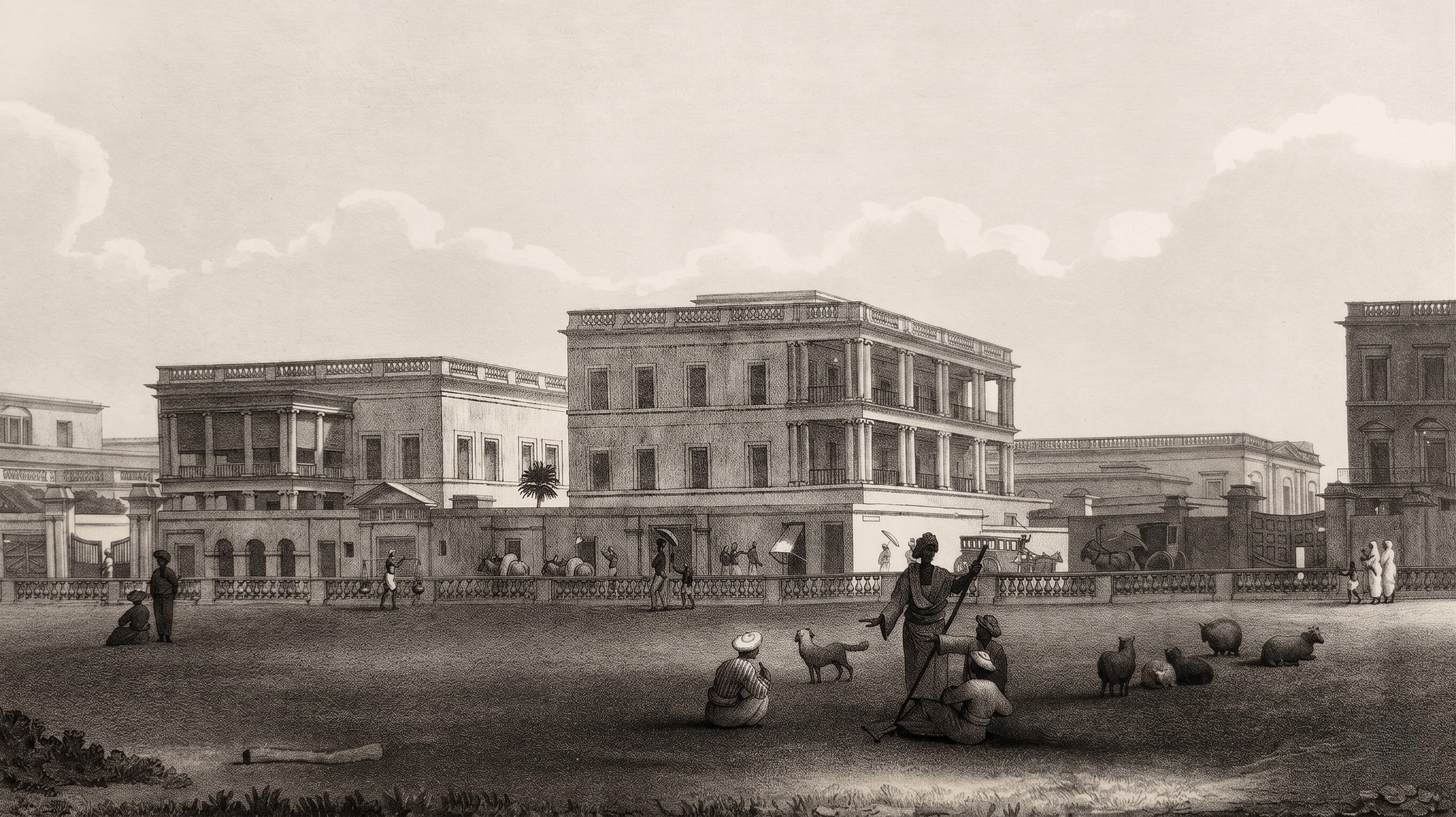
Chowringhee Road (Speke Street)
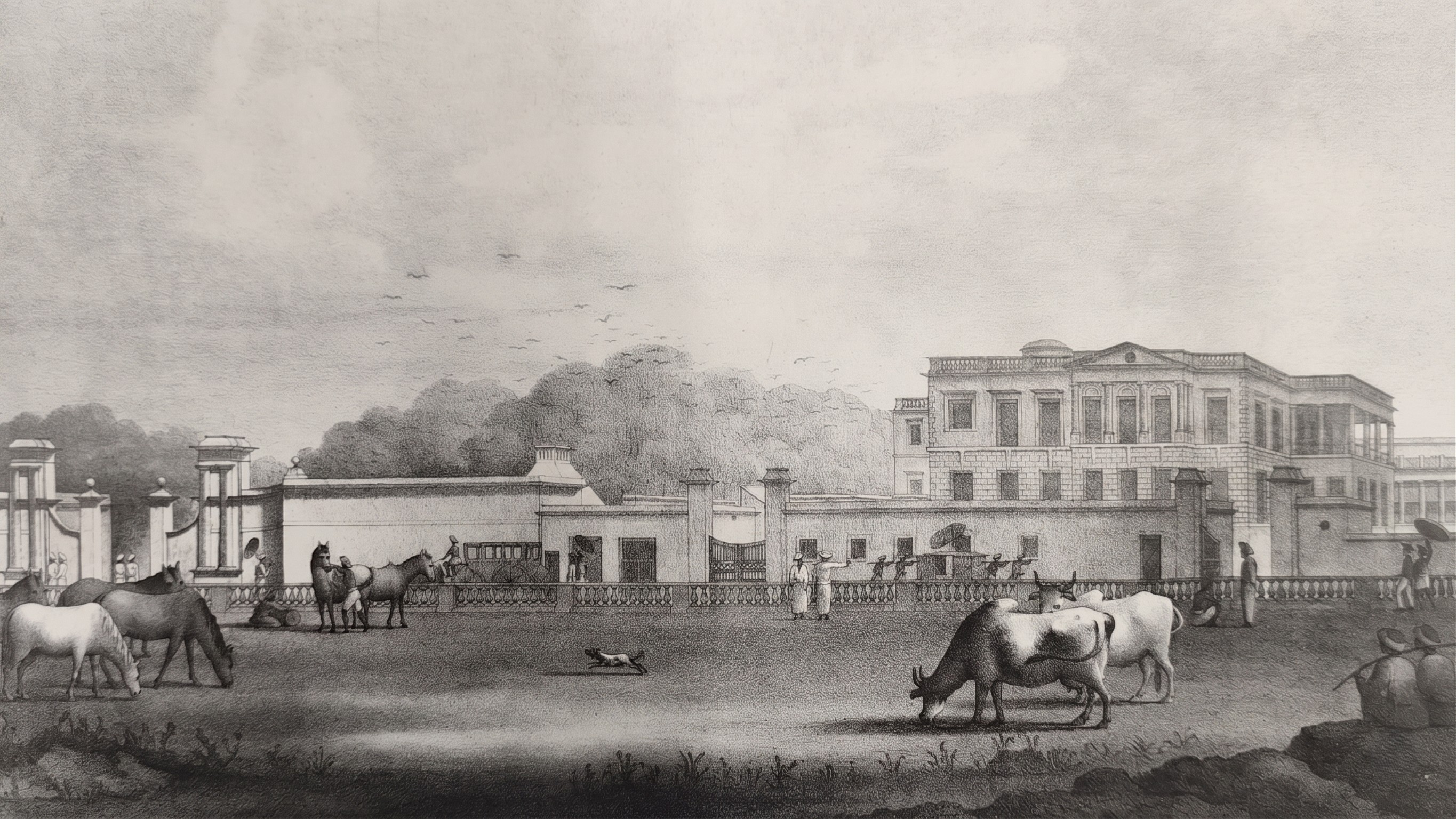
Chowringhee Road (Entrance to the Sudderdewany Adalut, Native Court of Justice)
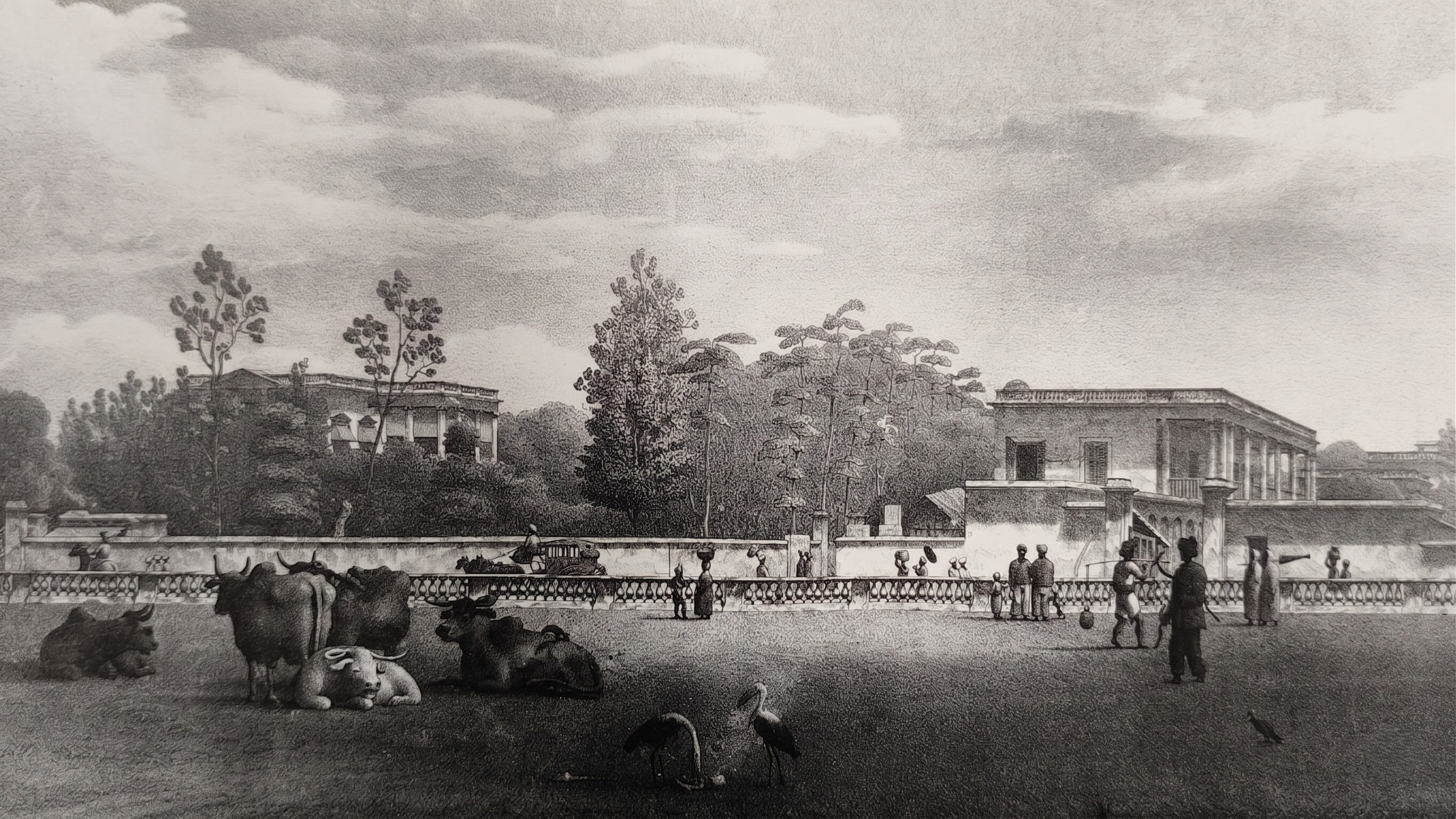
Chowringhee Road (Kyd Street)
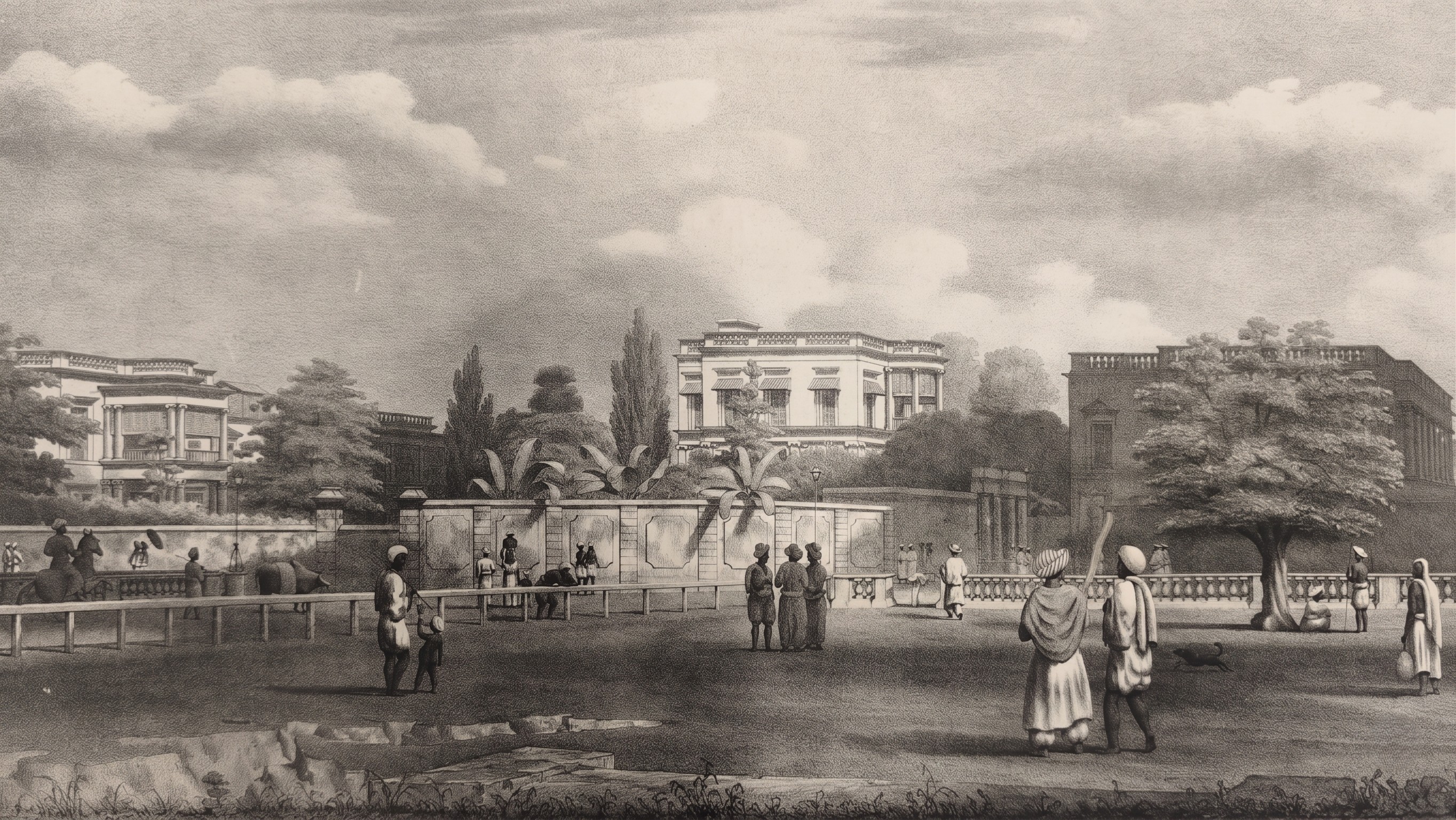
Chowringhee Road (Park Street & Asiatic Societys House)
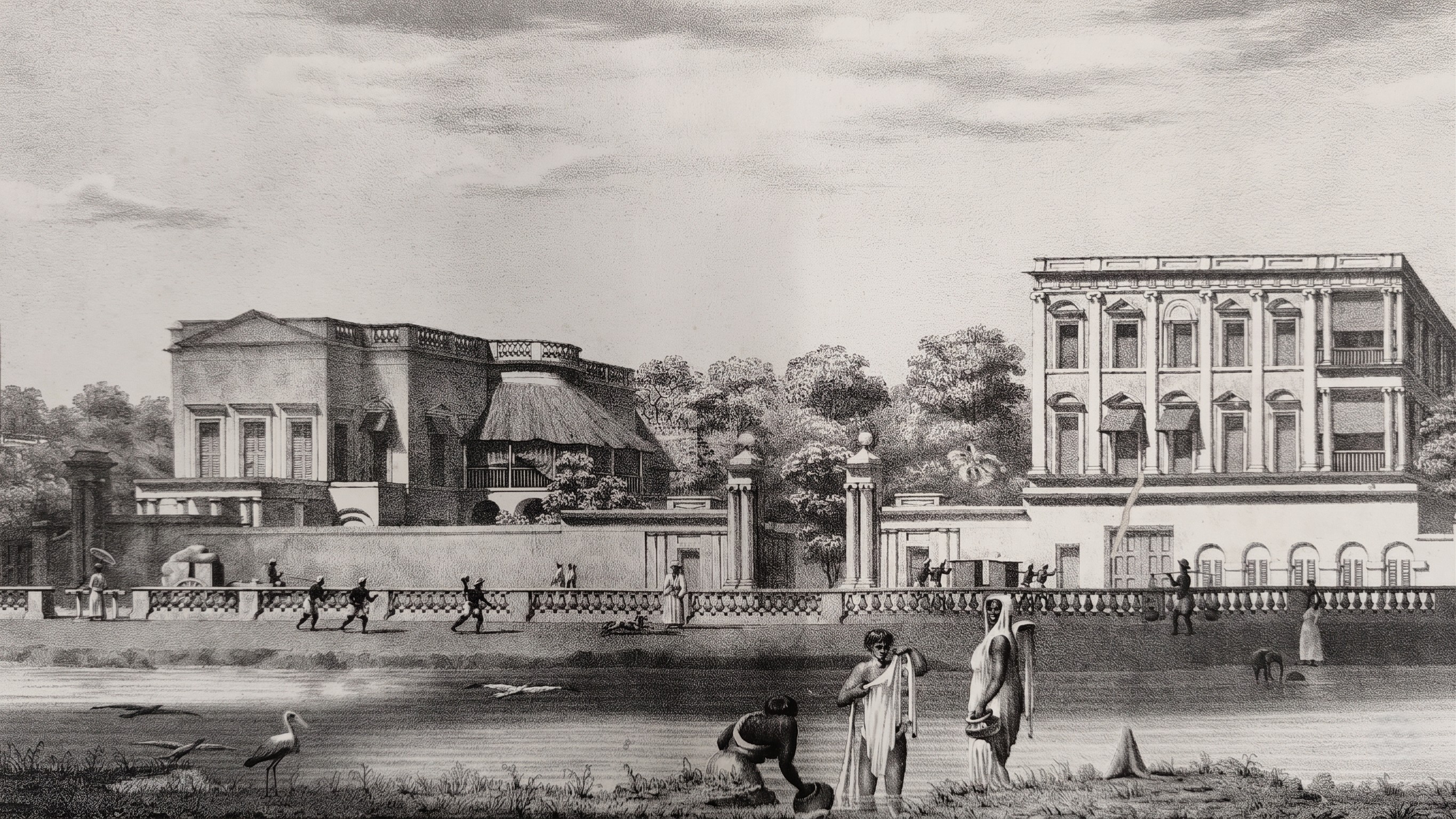
Chowringhee Road (Genera's Tank)
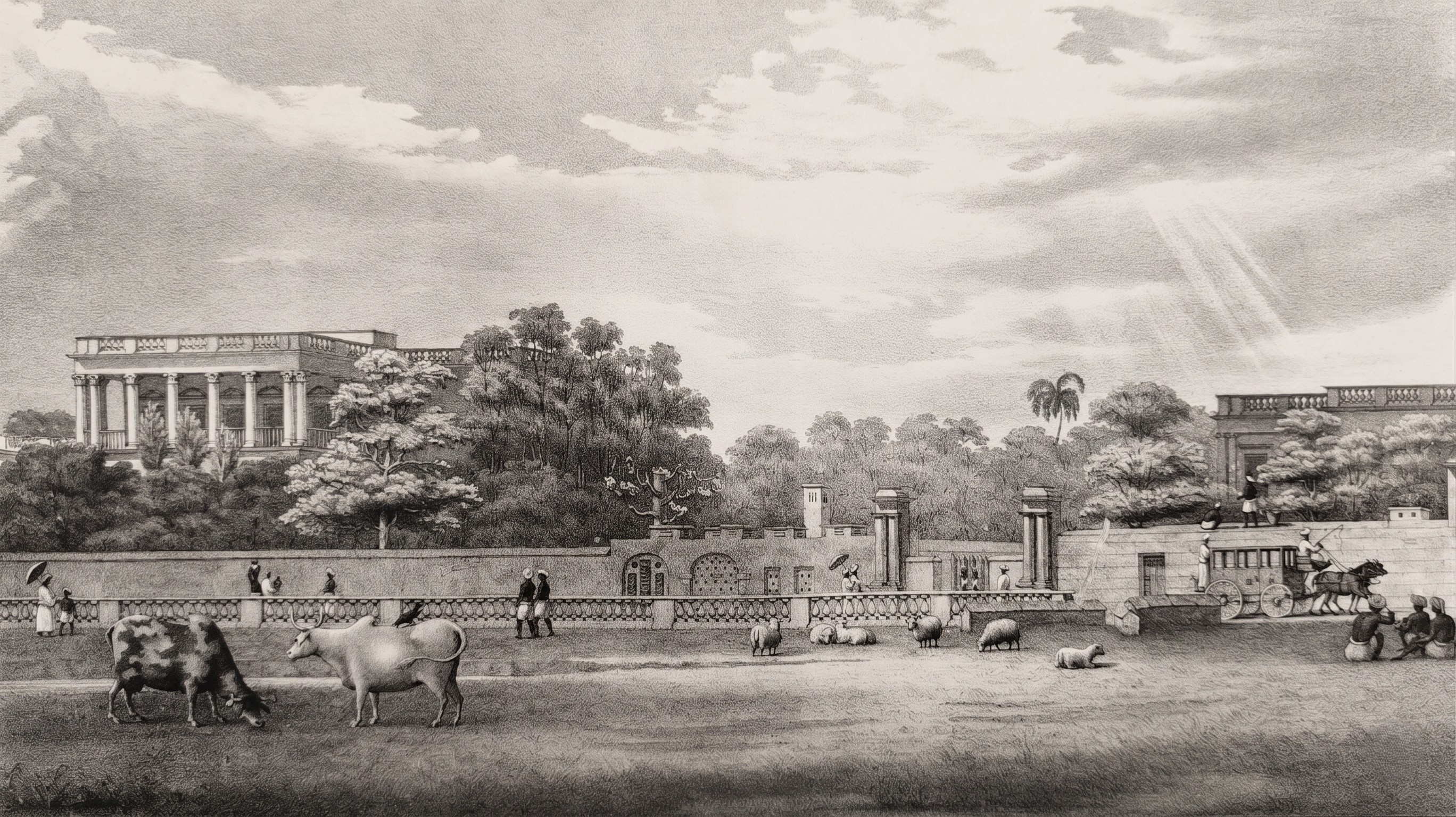
Chowringhee Road
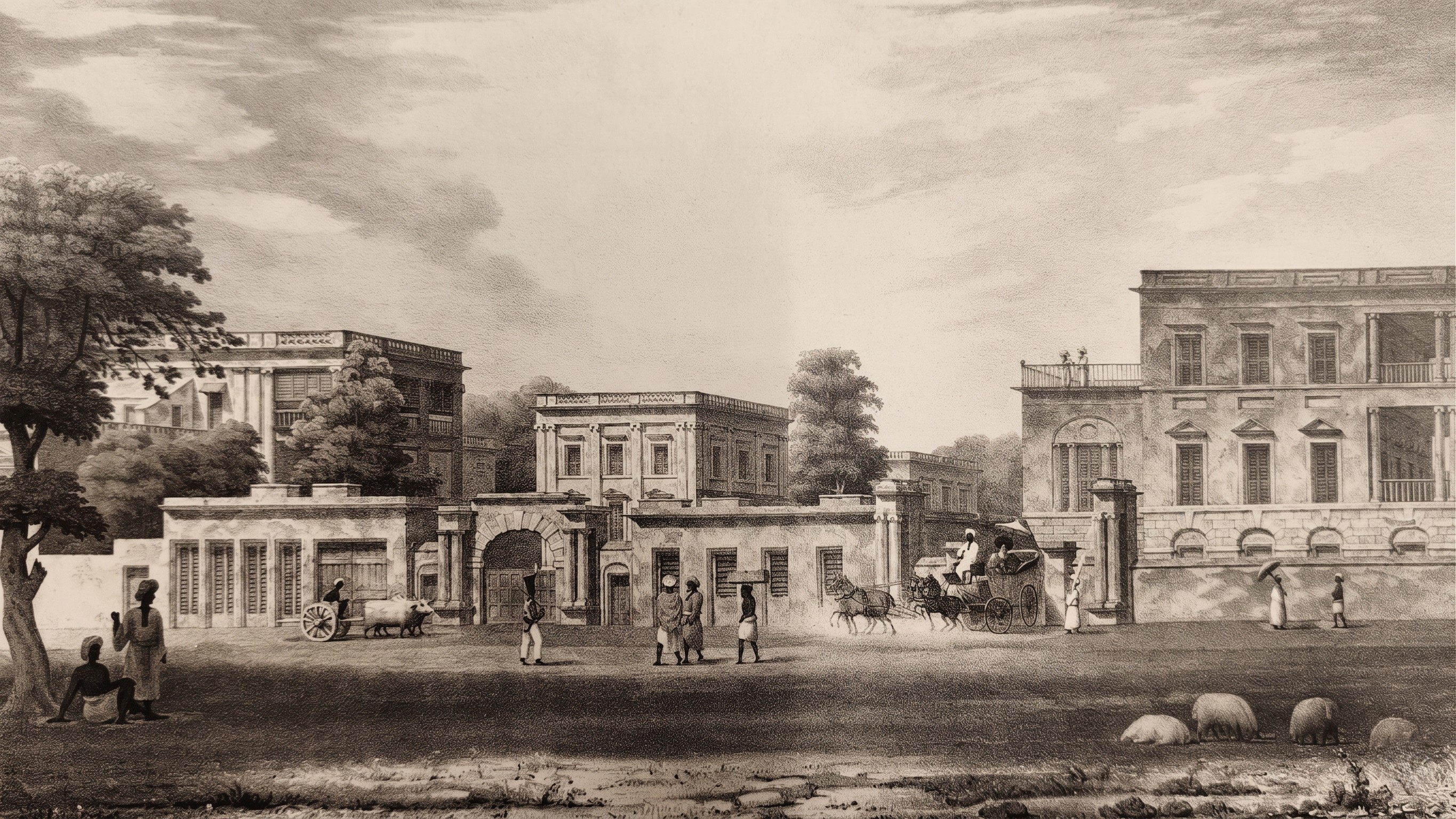
Chowringhee Road
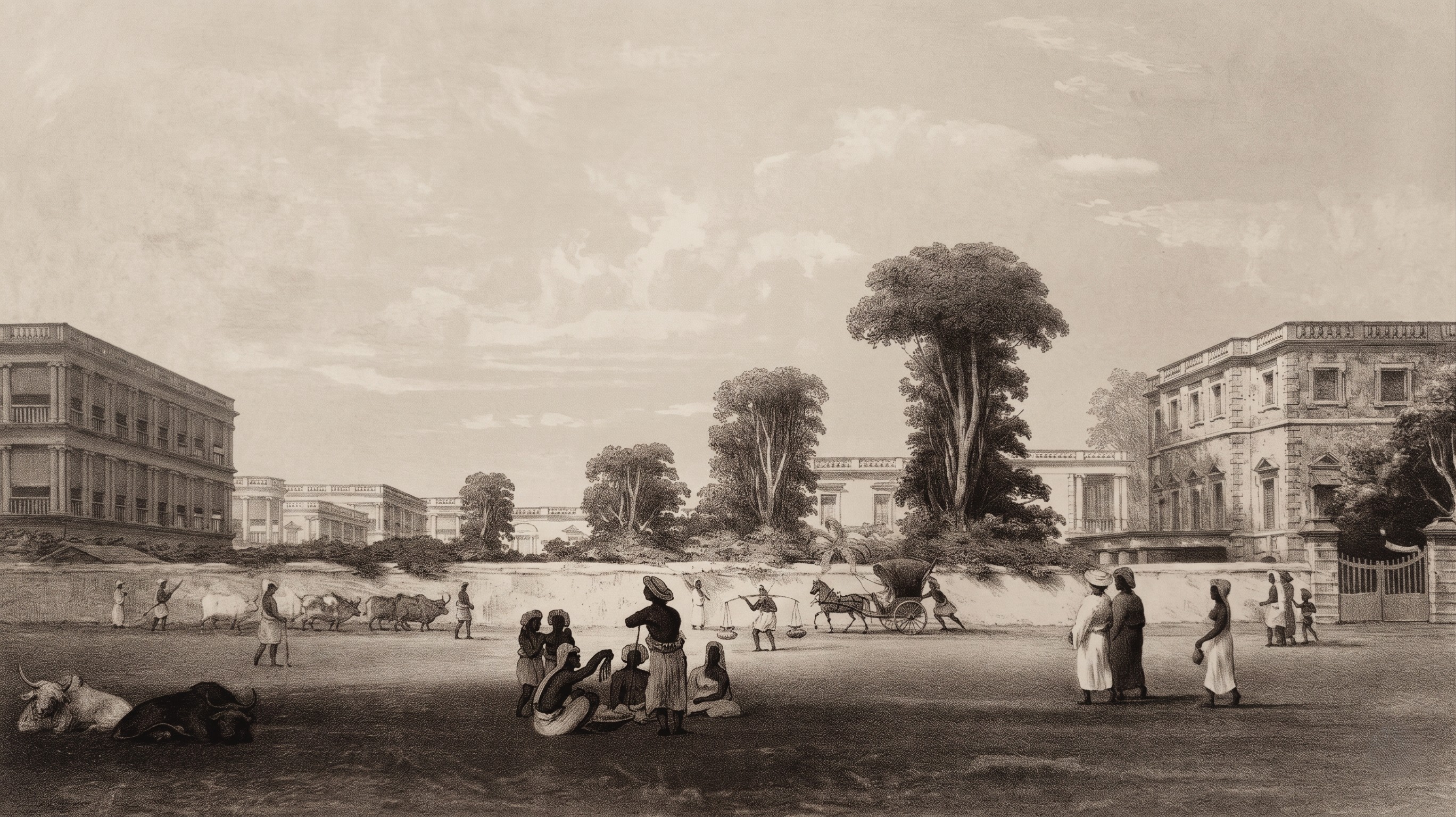
Chowringhee Road (The Bishop's Palace)
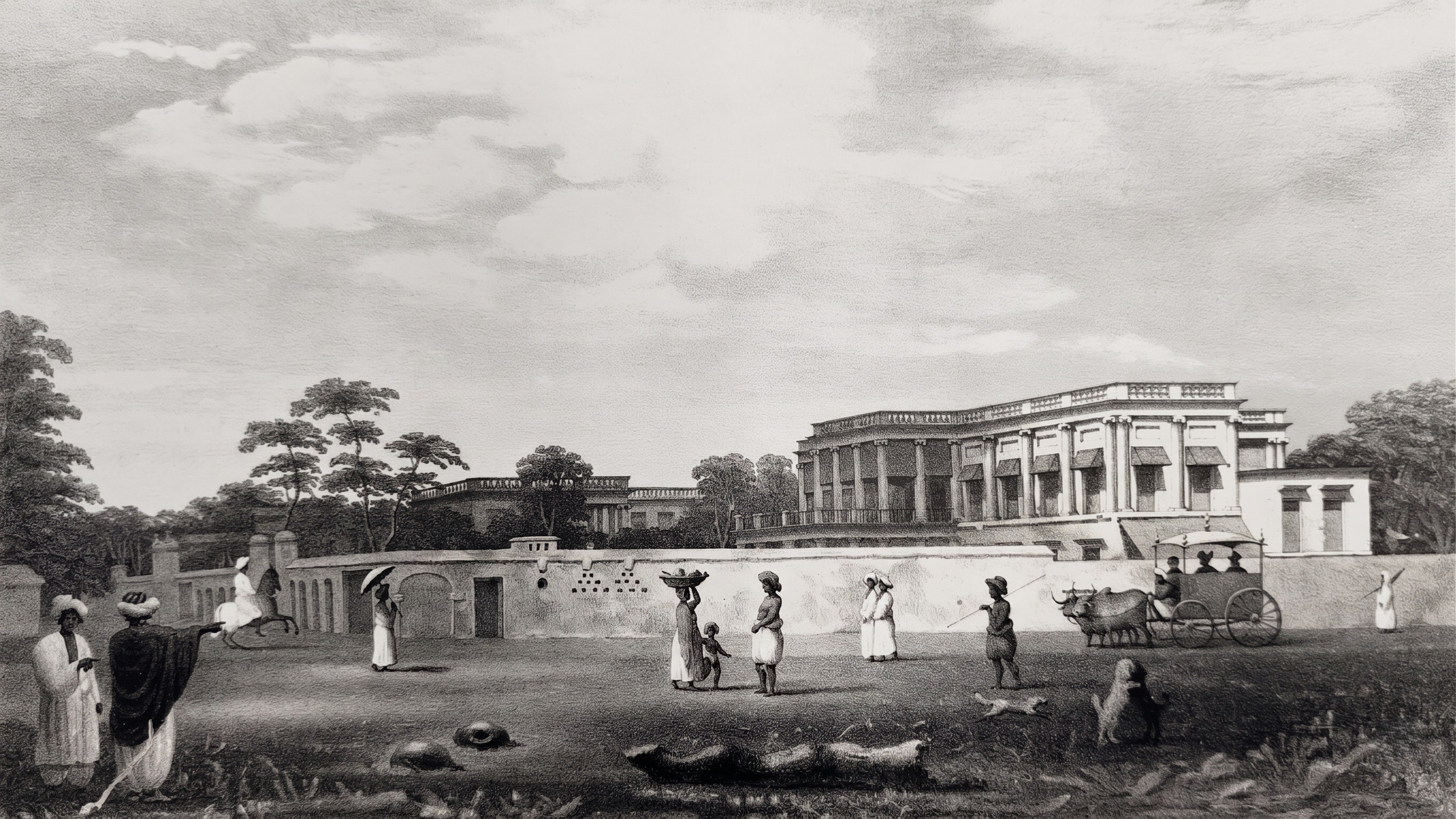
Chowringhee Road (Middleton Street)
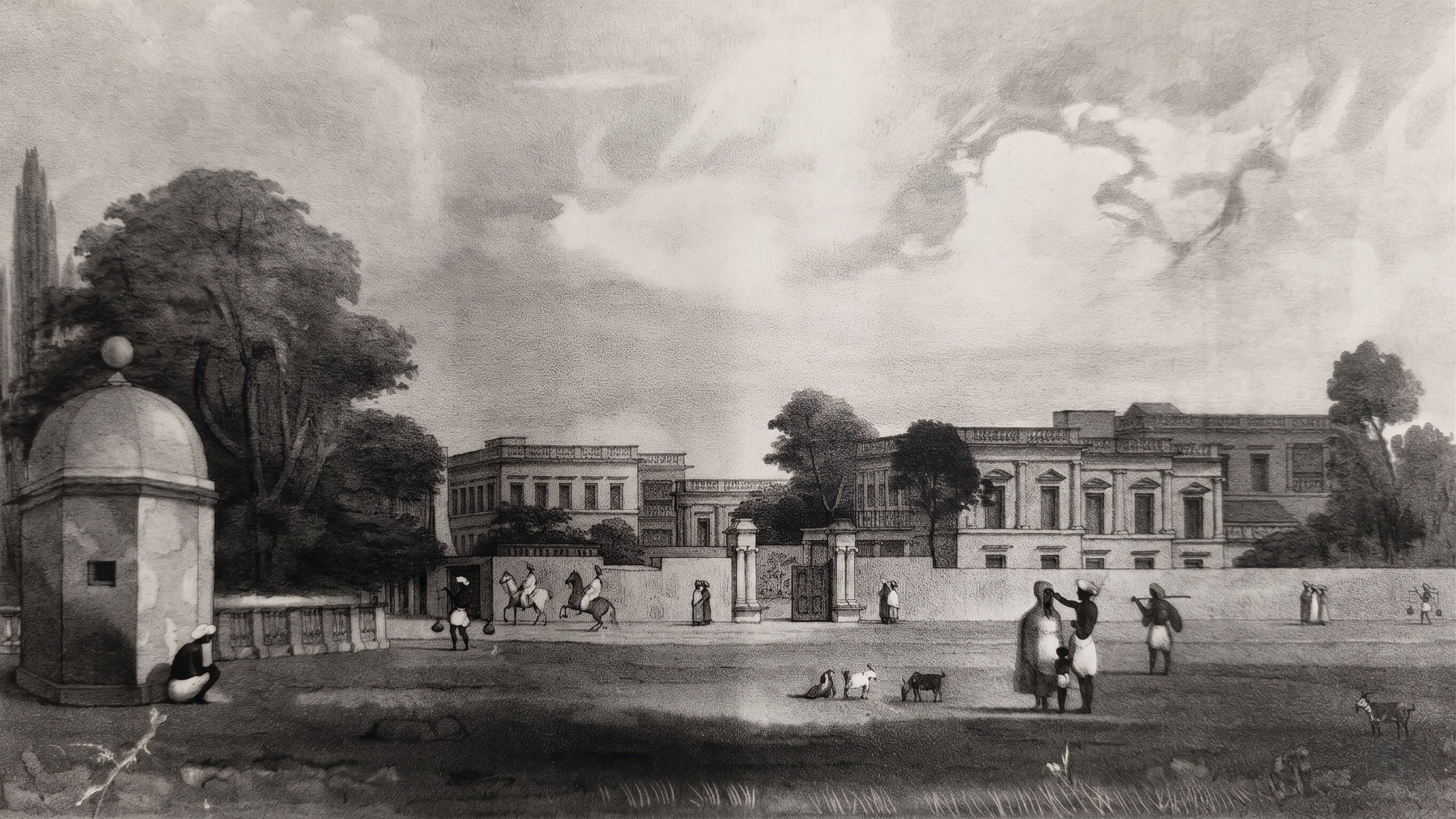
Chowringhee Road (Elliots Tank & Harrington St.)
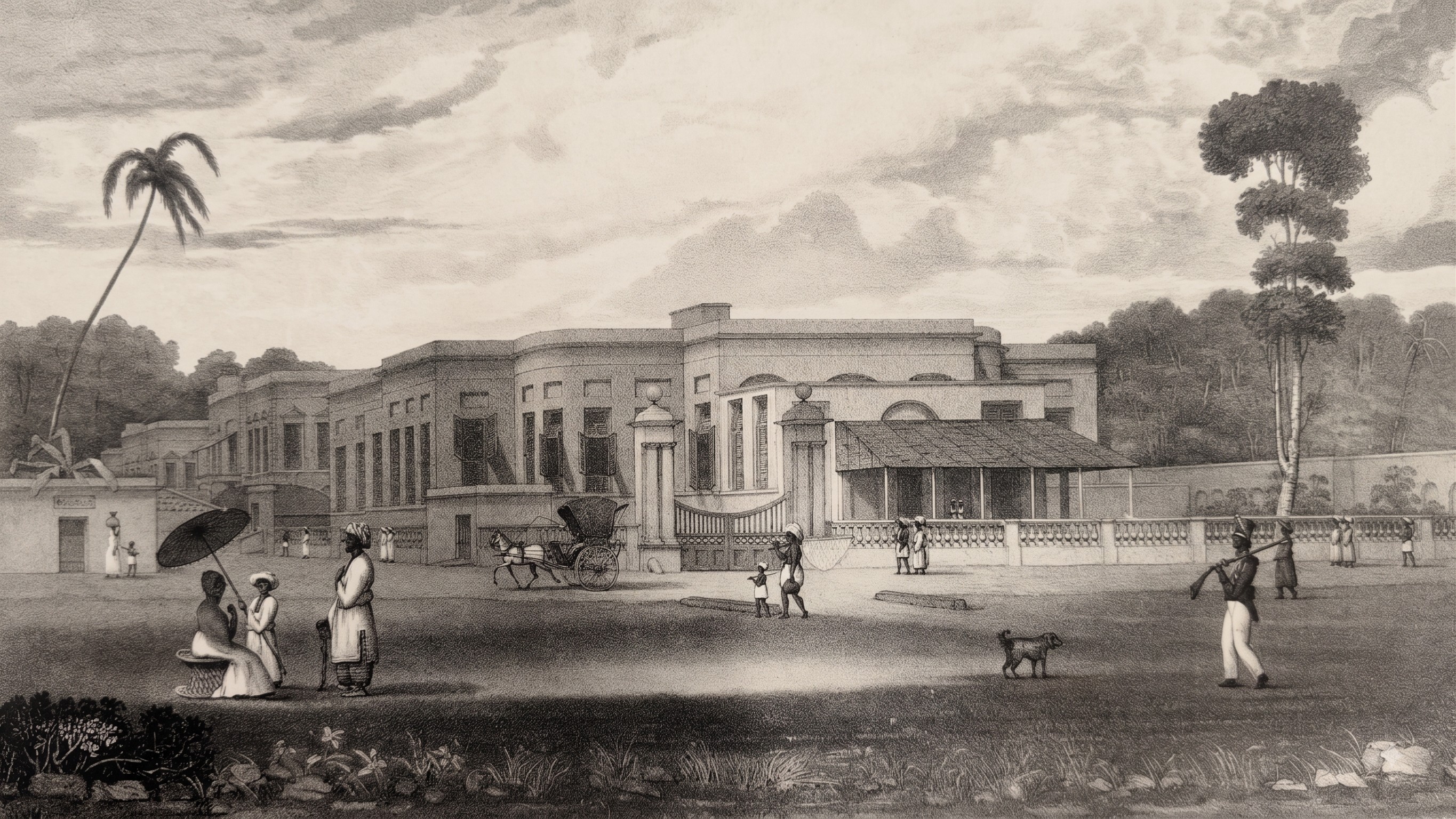
Chowringhee Road (Theatre Road)
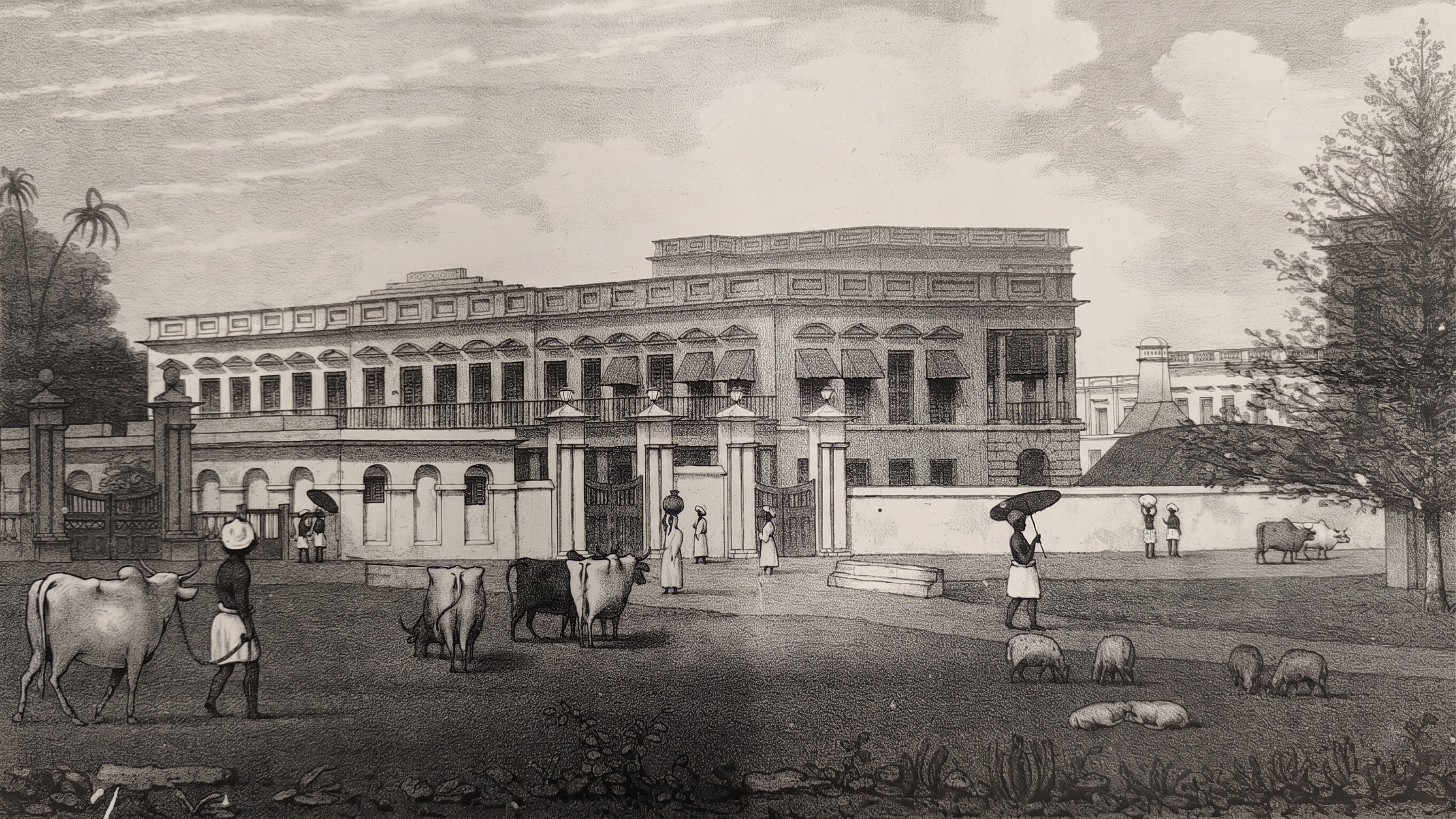
Chowringhee Road (Ballard's Buildings)
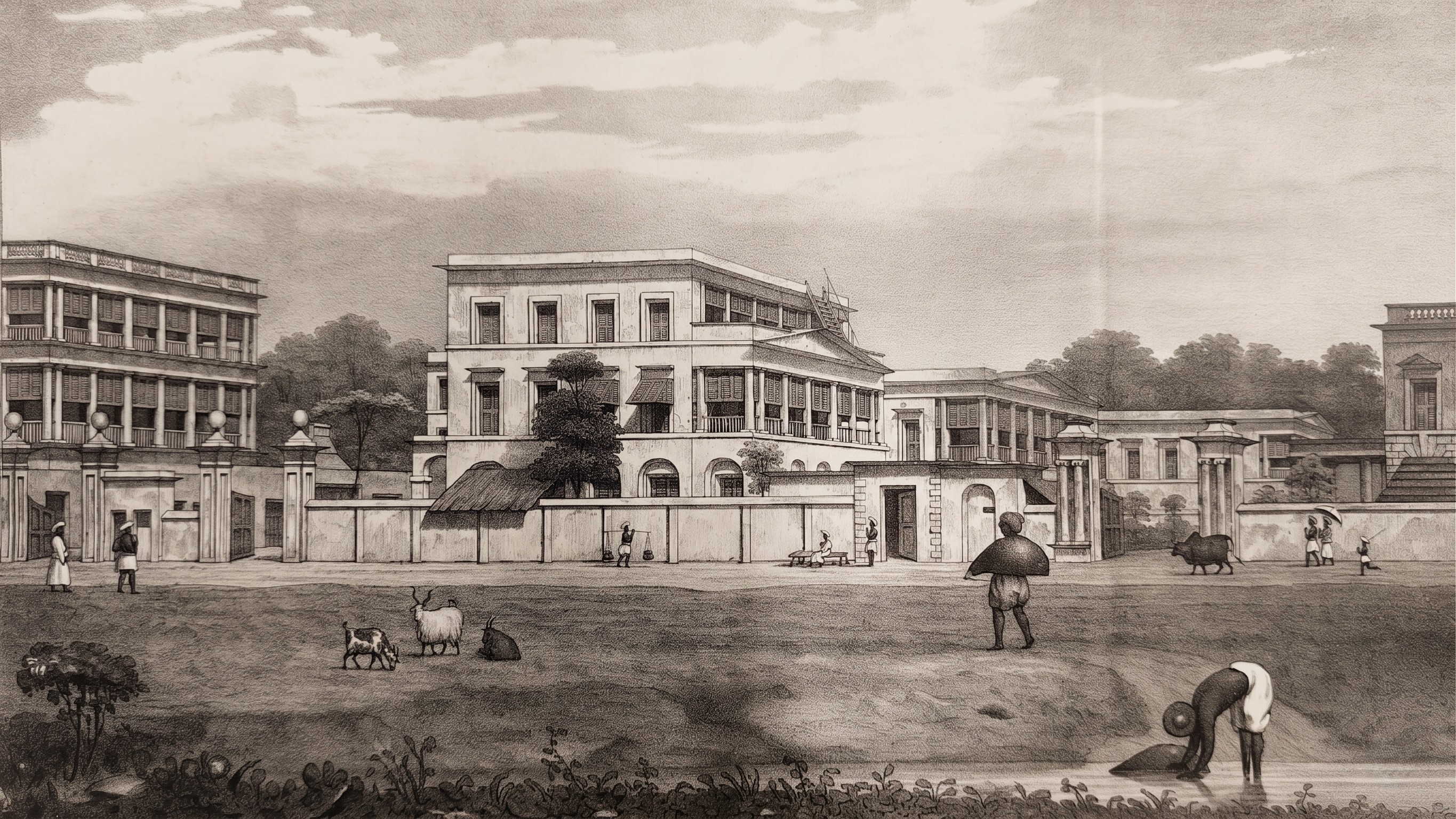
Chowringhee Road
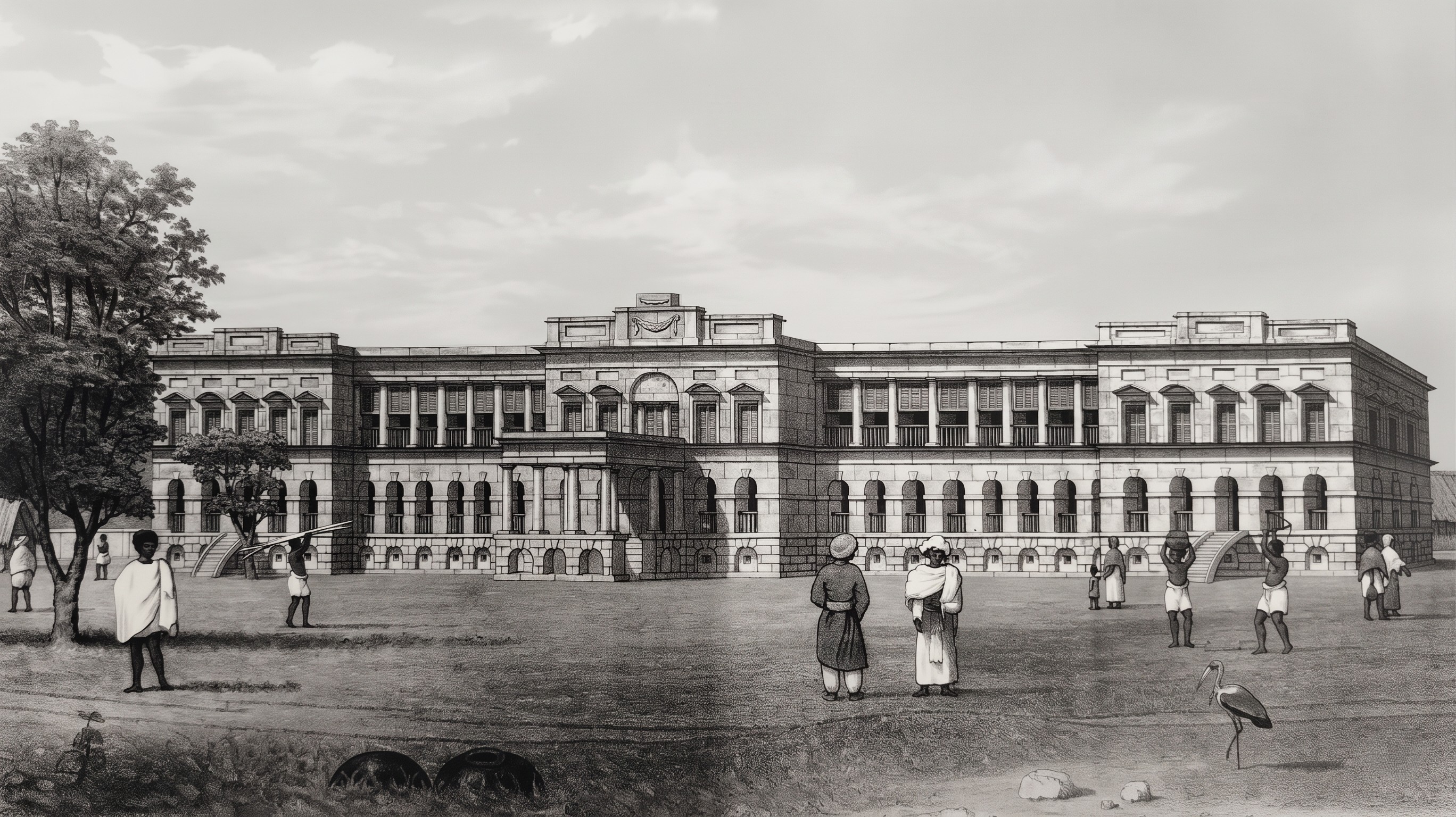
The new General Hospital
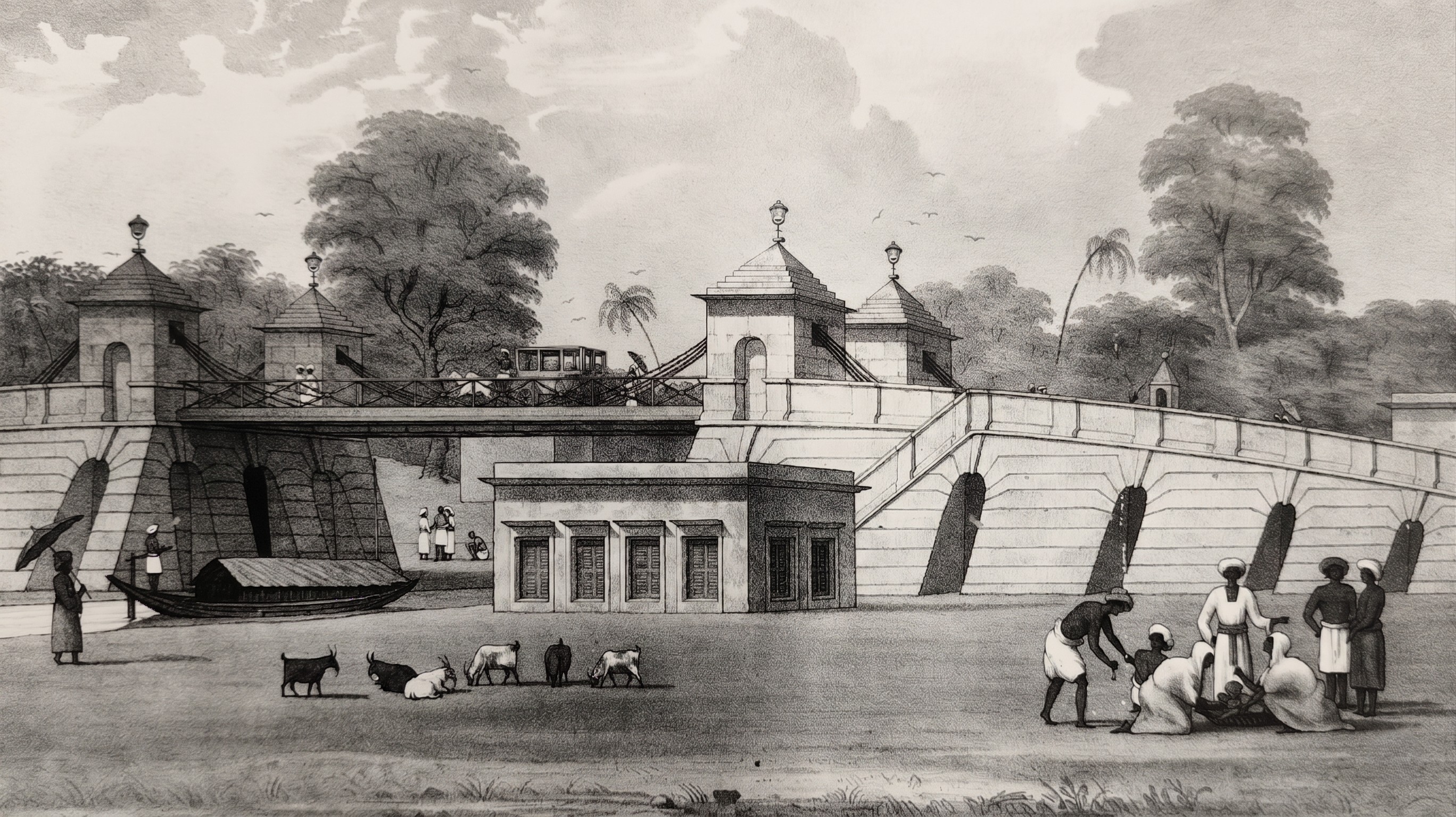
Kyderpoor Bridge
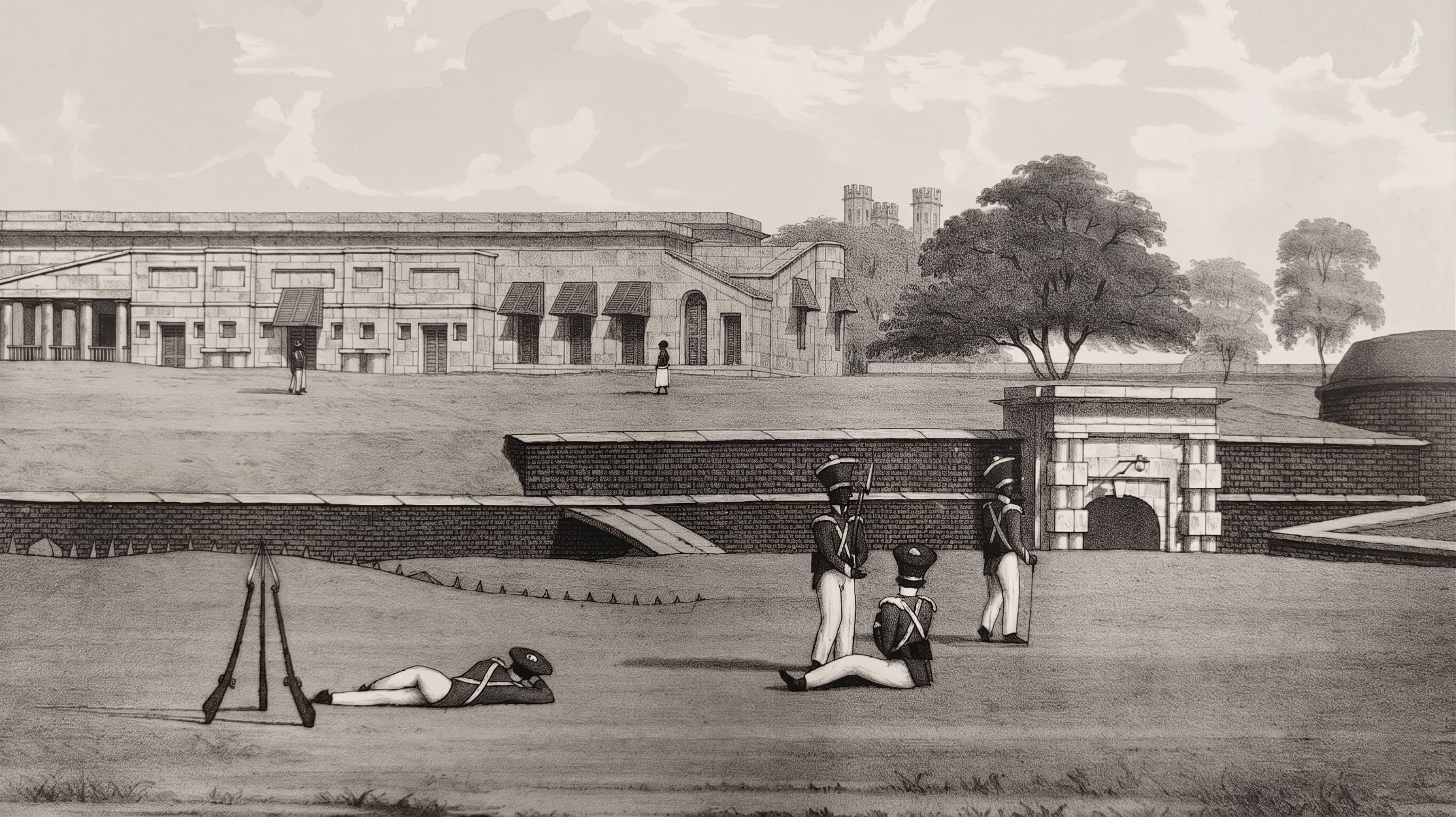
The Fort
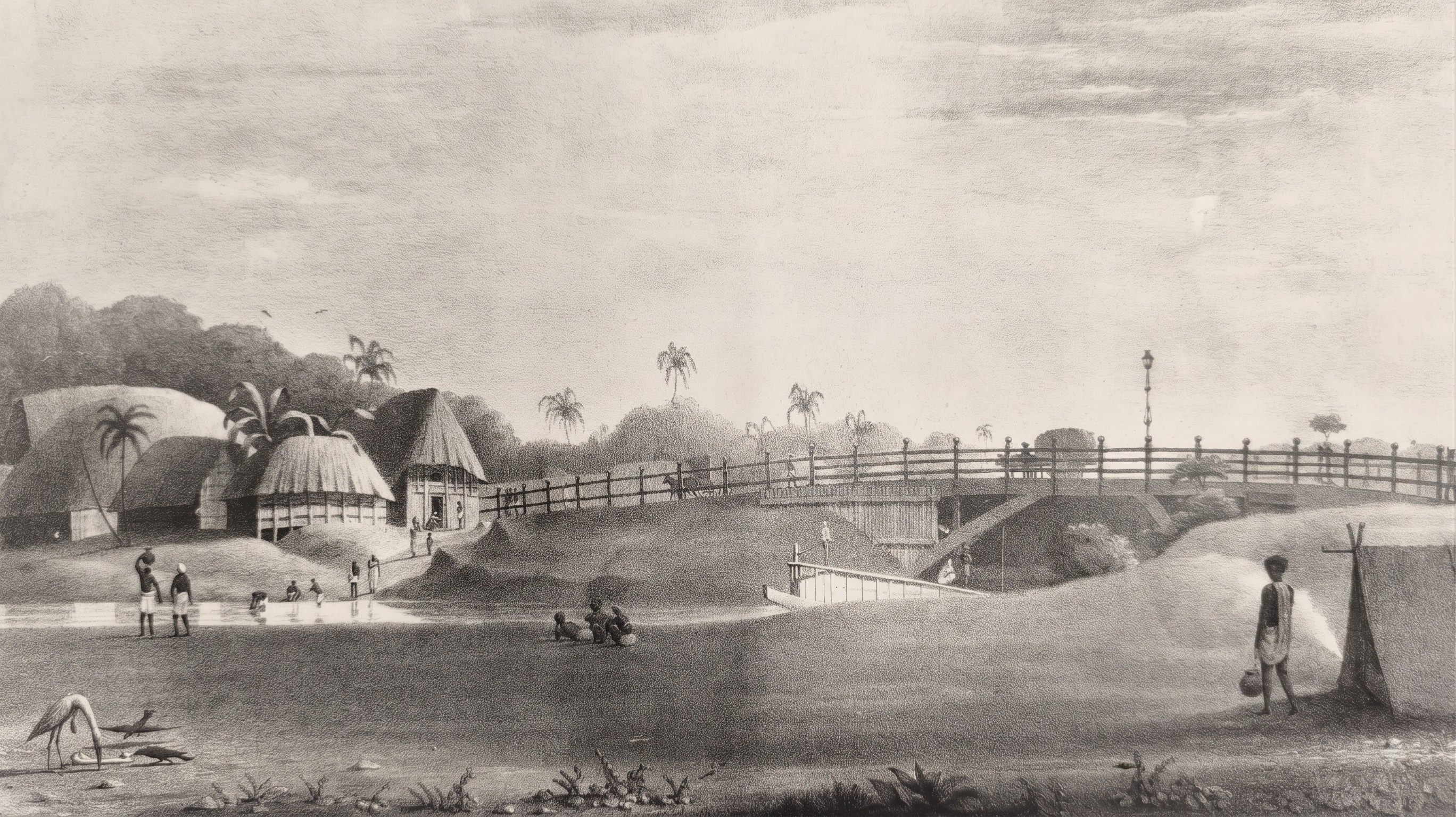
Allipore Bridge
A City Unfolding Before the Eye
Wood’s distinctive achievement lies not simply in his use of lithography, but in the way he sees the city — not as a collection of isolated monuments, but as a continuous, interconnected, and inhabited urban landscape.
Across the twenty-eight views, this vision unfolds with remarkable panoramic continuity. Seen in sequence, the lithographs become something approaching a visual journey through the city. One scene seems almost to take up where another leaves off, as buildings, roads, tanks, open grounds, and intersections recur from shifting perspectives. Wood thus enables us to see not only individual places, but the relationships between them — how streets opened onto public spaces, how buildings stood within their surroundings, and how one part of Calcutta led into another.
Within this unfolding panorama, Wood records with remarkable care the architecture that helped give Calcutta its celebrated identity as the “City of Palaces.” Government buildings, institutional structures, and residences are rendered with close attention to façades, columns, proportions, and their relationship to surrounding roads and open spaces. Some have disappeared; others have been altered or repurposed; even those that survive now stand within an urban landscape transformed almost beyond recognition.
Yet Wood’s Calcutta is never merely an architectural spectacle. It is a lived city, animated by movement and everyday life. Palanquins and horse-drawn carriages travel along its roads; bullock carts, pedestrians, boatmen, labourers, and tradespeople inhabit its streets and open spaces; people gather beside tanks and waterways; and animals graze in areas that would later become part of a densely built metropolis.
These figures are far from incidental. They preserve glimpses of transport, labour, dress, occupation, and social interaction, placing monumental architecture within the rhythms of ordinary urban life.
Wood thus brings two dimensions of Calcutta into a single visual field: the monumental city of institutions, residences, and public architecture, and the lived city of the people who moved through, worked in, and sustained it. His twenty-eight lithographs give us more than a record of what Calcutta looked like; taken together, they allow us to see how the city was connected, how it unfolded, and how it was lived.
Art, Technology and Historical Memory
Wood’s work also belongs to an important moment in the history of printmaking. While an earlier generation of artists, notably Thomas and William Daniell, had employed aquatint to represent India, Wood worked in the comparatively new medium of lithography. Its affinity with drawing enabled the fluidity of line and tonal variation particularly suited to his panoramic vision.
The works preserved in the Goethals Indian Library and Research Society are therefore significant on several levels: as works of visual art, as documents of Calcutta’s architectural and social history, and as evidence of the city’s emerging importance as a centre of printing and visual culture.
They must also be read critically as products of colonial Calcutta. Their ordered vistas and monumental architecture reflect a particular way of seeing and representing the colonial city. Yet within these carefully composed views survive innumerable traces of everyday life—people, occupations, forms of transport, waterways, open spaces, and patterns of movement that complicate and enrich the monumental vision.
Nearly two centuries later, the contrast is striking. Familiar buildings appear against unfamiliar horizons; roads now overwhelmed by traffic lie almost empty; tanks and open fields occupy spaces long since transformed. The familiar city becomes strange again, inviting us to look more closely at both the Calcutta that has disappeared and the Kolkata that has taken its place.
In preserving and presenting these works, the Goethals Indian Library and Research Society makes accessible not merely a collection of beautiful nineteenth-century images, but a remarkable visual archive of Kolkata’s urban memory.
William Wood Junior does more than show us the Calcutta of the past. Through his twenty-eight views, a vanished city unfolds before our eyes once again. The images presented below invite us to make that journey through the city with him.