Jesuit Scholarship & The Goethals Tradition
The Goethals Indian Library & Research Society is both custodian and a living expression of a distinguished tradition of Jesuit scholarship that has profoundly shaped the intellectual, cultural, and academic understanding of India. Rooted in the vision of Archbishop Paul Goethals, S.J., and enriched by generations of scholars who devoted their lives to studying India’s languages, philosophies, religions, literatures, histories, and cultures, the Society preserves a legacy of learning that continues to inspire research and dialogue today.
The collections of the Society reflect many of the fields that engaged these pioneering scholars. Their writings, research interests, and intellectual concerns remain closely intertwined with the library’s scholarly character. Through its rare books, manuscripts, periodicals, archives, and research resources, the Society safeguards a tradition of scholarship that seeks not only to understand India but also to foster meaningful encounters between cultures, faiths, and civilisations.
The six Jesuit scholars featured here occupy a special place within that tradition. Each, in his own way, contributed significantly to the study of Indian civilisation and to the development of intercultural and interreligious understanding. Together, they represent the intellectual heritage that the Goethals Indian Library & Research Society cherishes, preserves, and seeks to carry forward into the future.
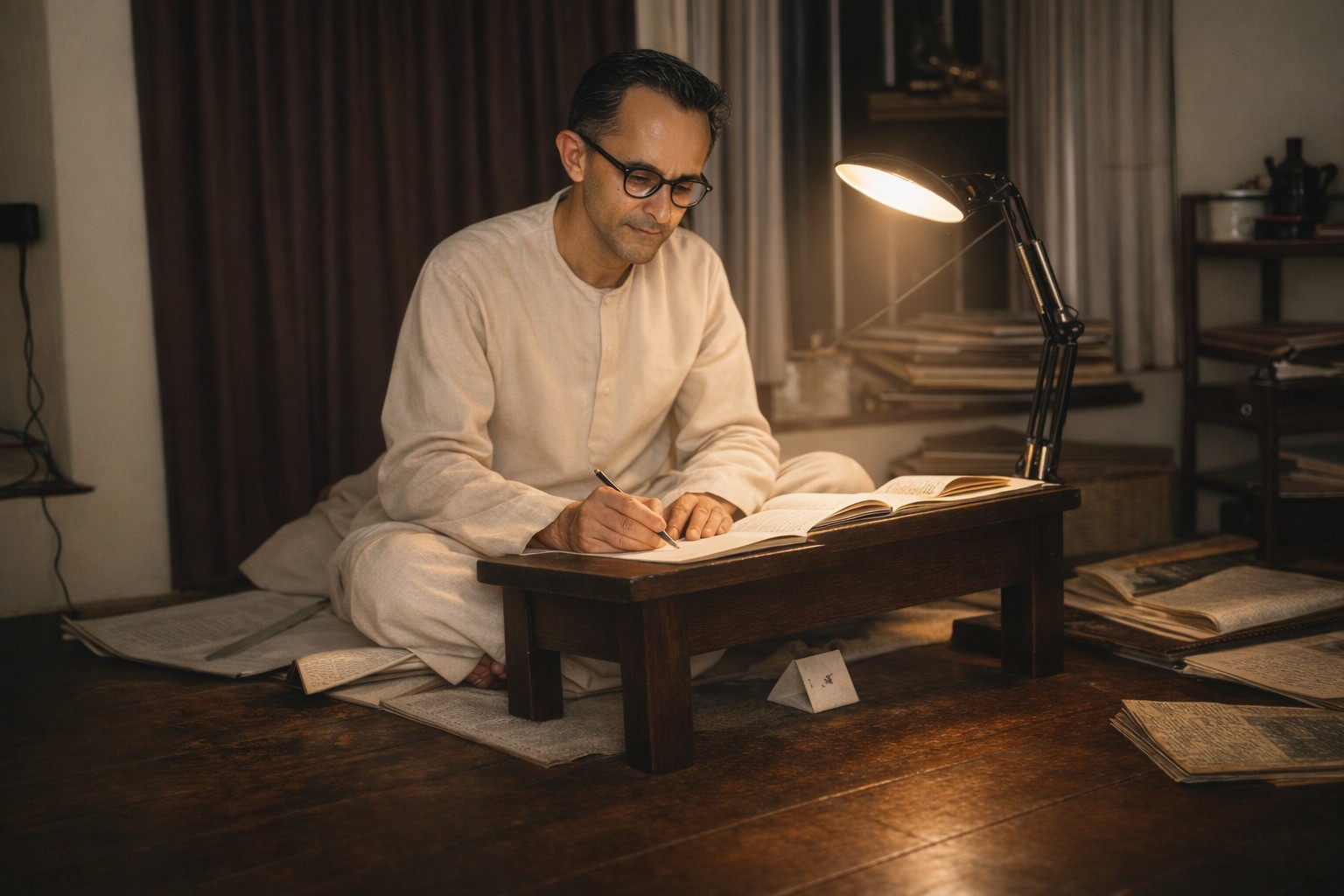
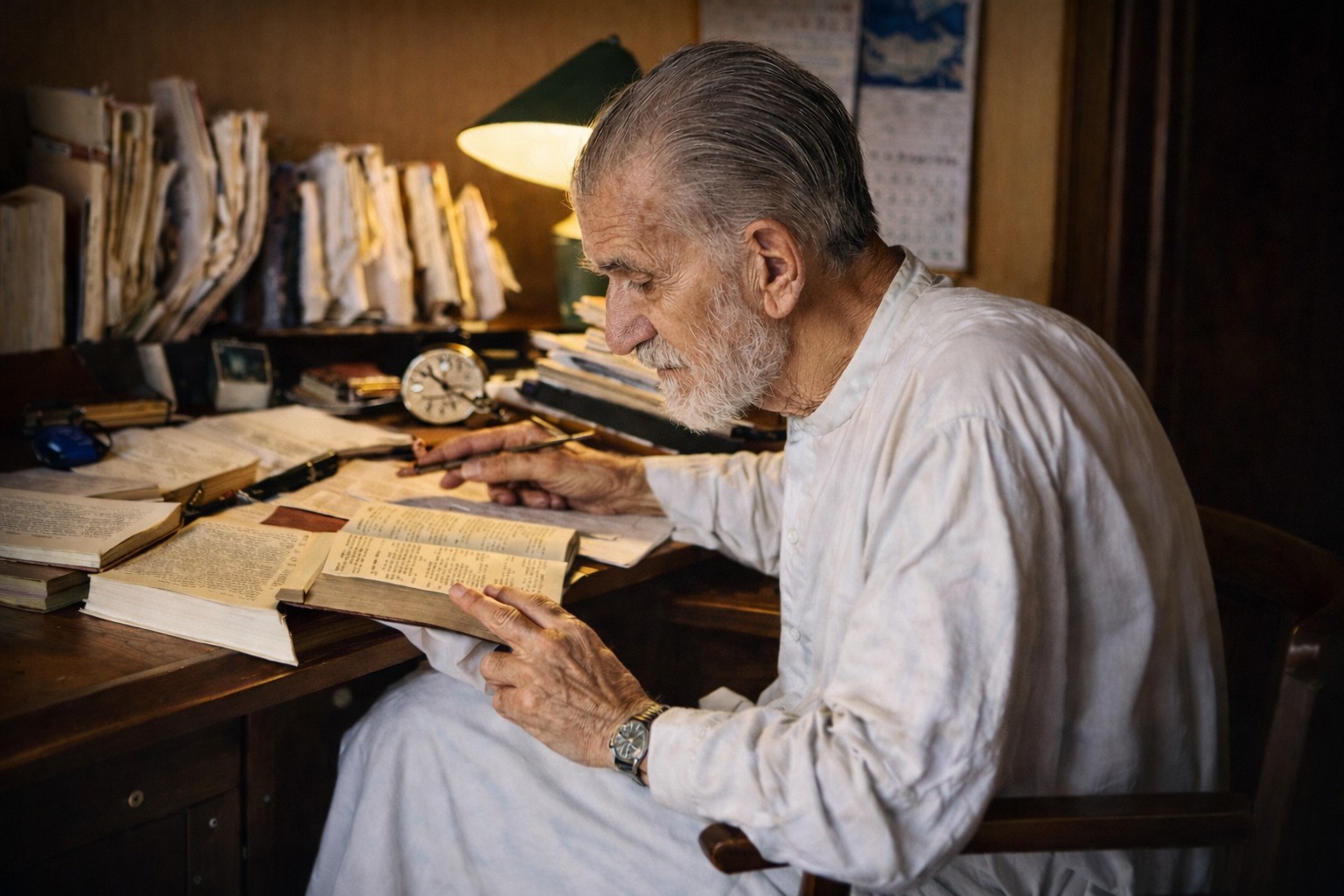
ARCHIVAL PORTRAITS: THE SIX FOUNDATIONAL INTERPRETERS
%203.jpeg)
Archbishop Paul Goethals, S.J.
(1832–1901)Missionary, educator, scholar, and the first Archbishop of Calcutta, Paul Goethals, S.J., was the visionary whose passion for learning laid the foundation of the Goethals Indian Library & Research Society. Deeply interested in the histories, cultures, religions, and languages of India, he assembled an extraordinary collection of books, manuscripts, maps, and scholarly works that reflected both his intellectual curiosity and his profound respect for the peoples and traditions of the subcontinent. What began as his personal collection eventually evolved into one of India’s important research repositories, inspiring generations of scholars and establishing a lasting legacy of learning, research, and cultural understanding.
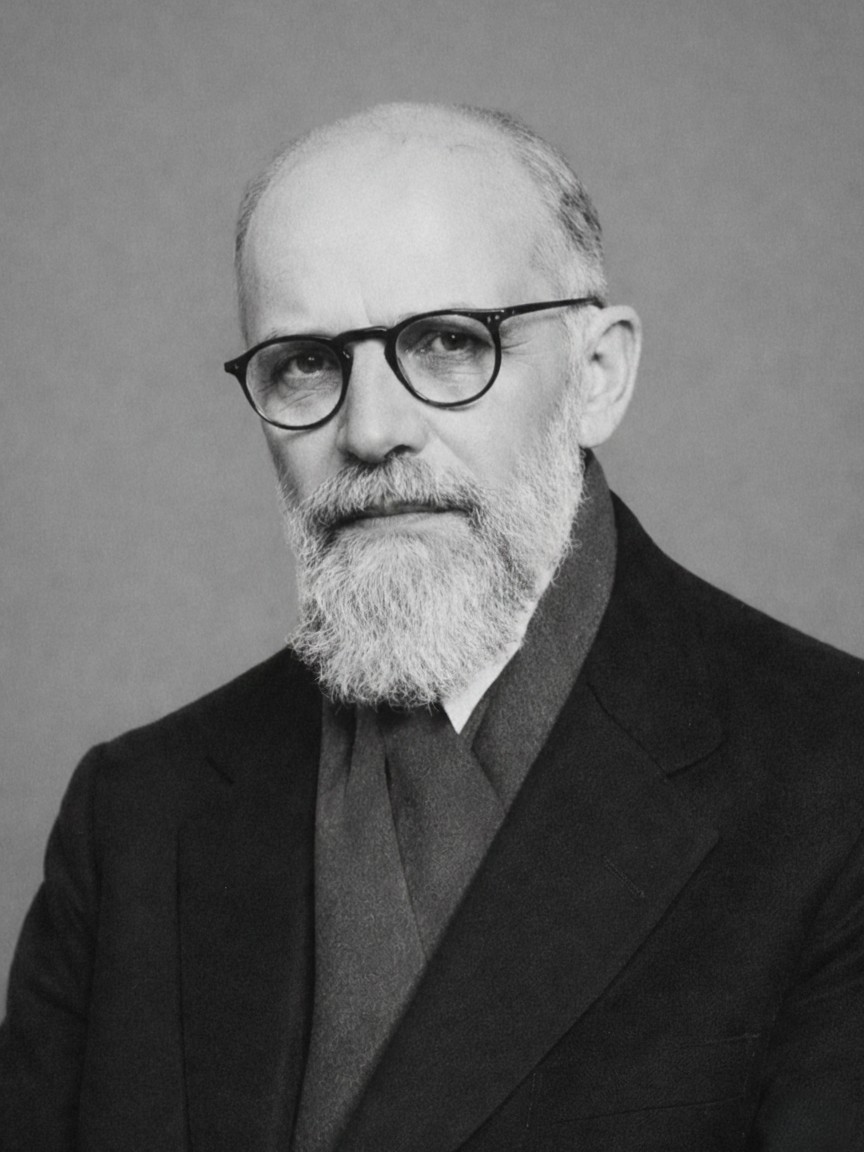
Fr. Georges Dandoy, S.J.
(1882–1967)A pioneering scholar of Hindu philosophy and spirituality, Fr. Georges Dandoy, S.J., devoted much of his academic life to the study of Vedanta and Indian religious thought. His writings sought to understand Hindu philosophical traditions on their own terms while exploring meaningful points of dialogue between Christian theology and Indian spirituality. Through meticulous scholarship and intellectual openness, Dandoy became one of the most respected Jesuit interpreters of Indian philosophy in the twentieth century, helping to foster deeper engagement between Christian and Hindu intellectual traditions.
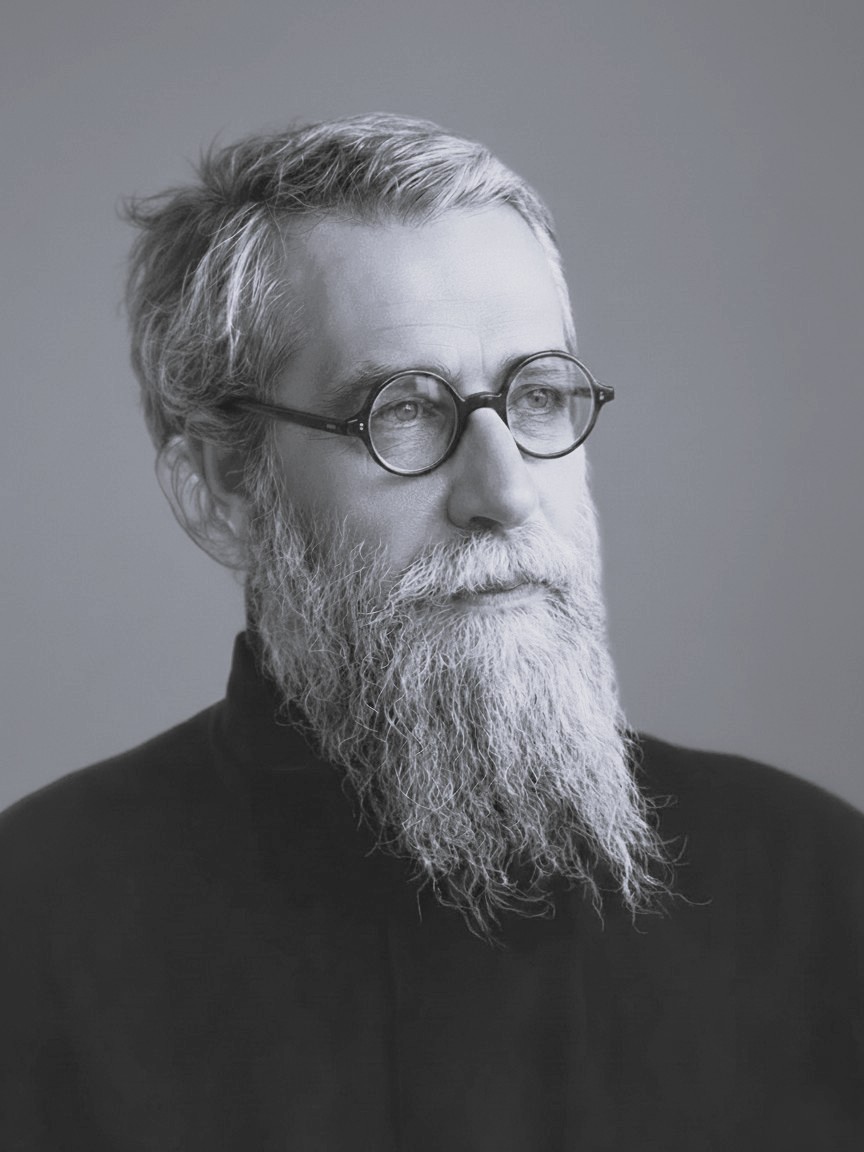
Fr. Pierre Johanns, S.J.
(1882–1955)One of the pioneers of modern Hindu–Christian dialogue, Fr. Pierre Johanns, S.J., made significant contributions to the study of Indian philosophical and theological traditions. Through his research, teaching, publications, and the influential journal “The Light of the East,” he deepened Christian engagement with Hindu thought and encouraged a more nuanced appreciation of India’s intellectual heritage. His work exemplified the Jesuit commitment to intercultural dialogue and remains an important part of the scholarly tradition preserved within the Goethals collections.
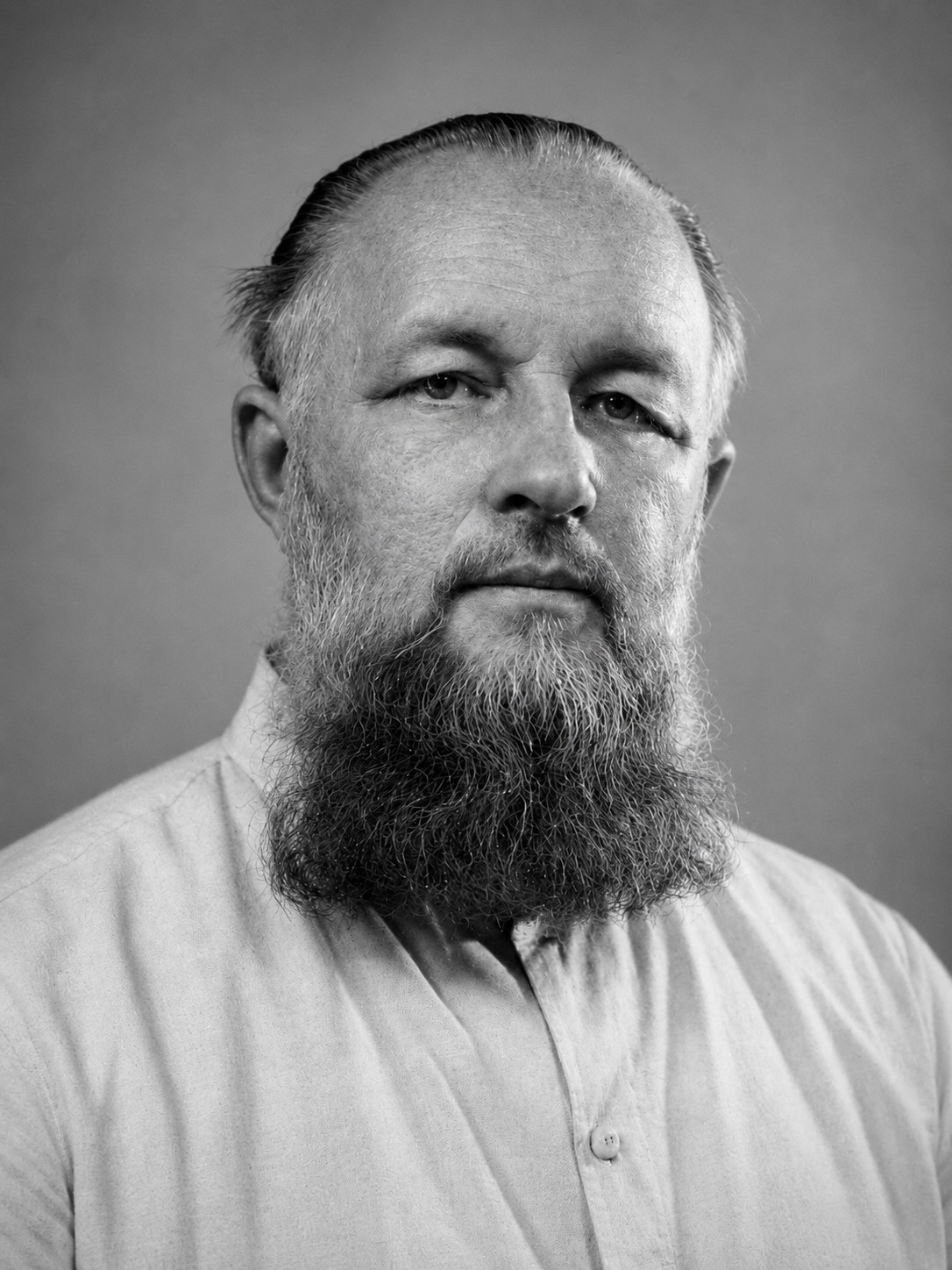
Fr. Victor Courtois, S.J.
(1898–1985)A distinguished scholar of Islam and comparative religion, Fr. Victor Courtois, S.J., dedicated his life to promoting greater understanding among religious communities. His studies of Islamic thought, culture, and spirituality reflected a deep commitment to respectful dialogue and intellectual engagement. At a time when such encounters were often limited, Courtois exemplified the Jesuit tradition of approaching other faiths with scholarly rigour, empathy, and openness, leaving a lasting contribution to interreligious studies.
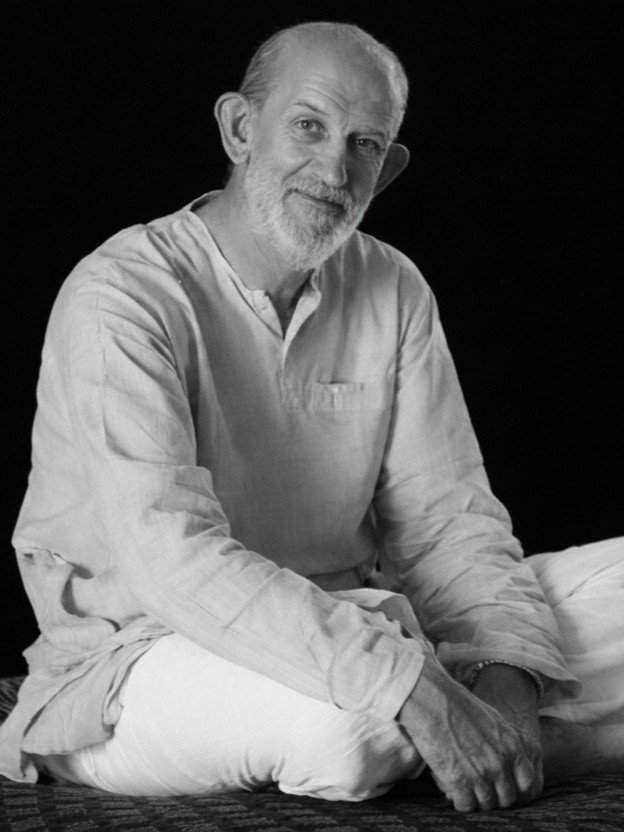
Fr. Pierre Fallon, S.J.
(1912–1982)Renowned for his expertise in Sanskrit, Indian philosophy, and classical religious texts, Fr. Pierre Fallon, S.J., devoted himself to studying India’s intellectual and spiritual traditions. A gifted scholar and teacher, he produced research that continues to influence students of Indology and comparative religion. His work reflected profound respect for India’s cultural heritage and contributed significantly to dialogue between Eastern and Western traditions of thought.
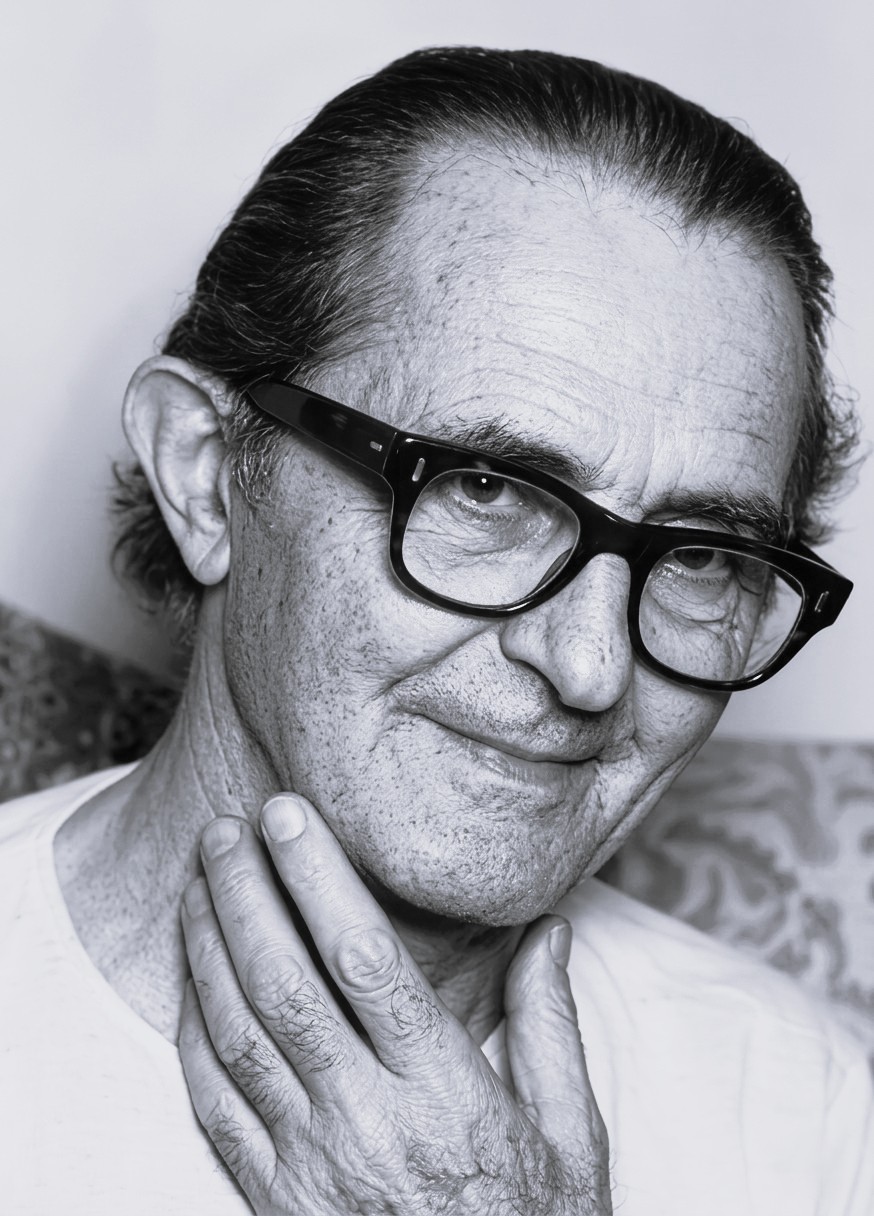
Fr. Robert Antoine, S.J.
(1914–1981)One of the most respected Jesuit scholars of modern India, Fr. Robert Antoine, S.J., combined rigorous academic research with a deep appreciation of Indian culture and spirituality. His contributions to Sanskrit studies, Bengali literature, Hindu thought, and comparative religion earned him recognition among scholars in India and abroad. Through his writings and teaching, Antoine helped shape contemporary approaches to intercultural and interreligious dialogue, leaving a lasting impact on the study of India’s religious and philosophical traditions.
Continuing a Living Legacy
The intellectual legacy of Archbishop Paul Goethals, S.J., Fr. Georges Dandoy, S.J., Fr. Pierre Johanns, S.J., Fr. Victor Courtois, S.J., Fr. Pierre Fallon, S.J., and Fr. Robert Antoine, S.J. continues to resonate throughout the collections and mission of the Goethals Indian Library & Research Society. Their scholarship reflects the values that shaped the institution from its beginnings: intellectual rigour, openness to dialogue, respect for cultural diversity, and commitment to the pursuit of truth.
Today, the Society preserves not only their published works and fields of inquiry but also the broader spirit of scholarship they embodied. By making these resources accessible to researchers and encouraging new generations of scholars to engage critically with the intellectual and cultural traditions of Asia, the Society ensures that this rich Jesuit scholarly heritage remains a living tradition rather than a merely historical memory.
In preserving their legacy, the Goethals Indian Library & Research Society continues to fulfil its mission as a centre of research, learning, and intercultural understanding — linking the achievements of the past with the discoveries and scholarship of the future.