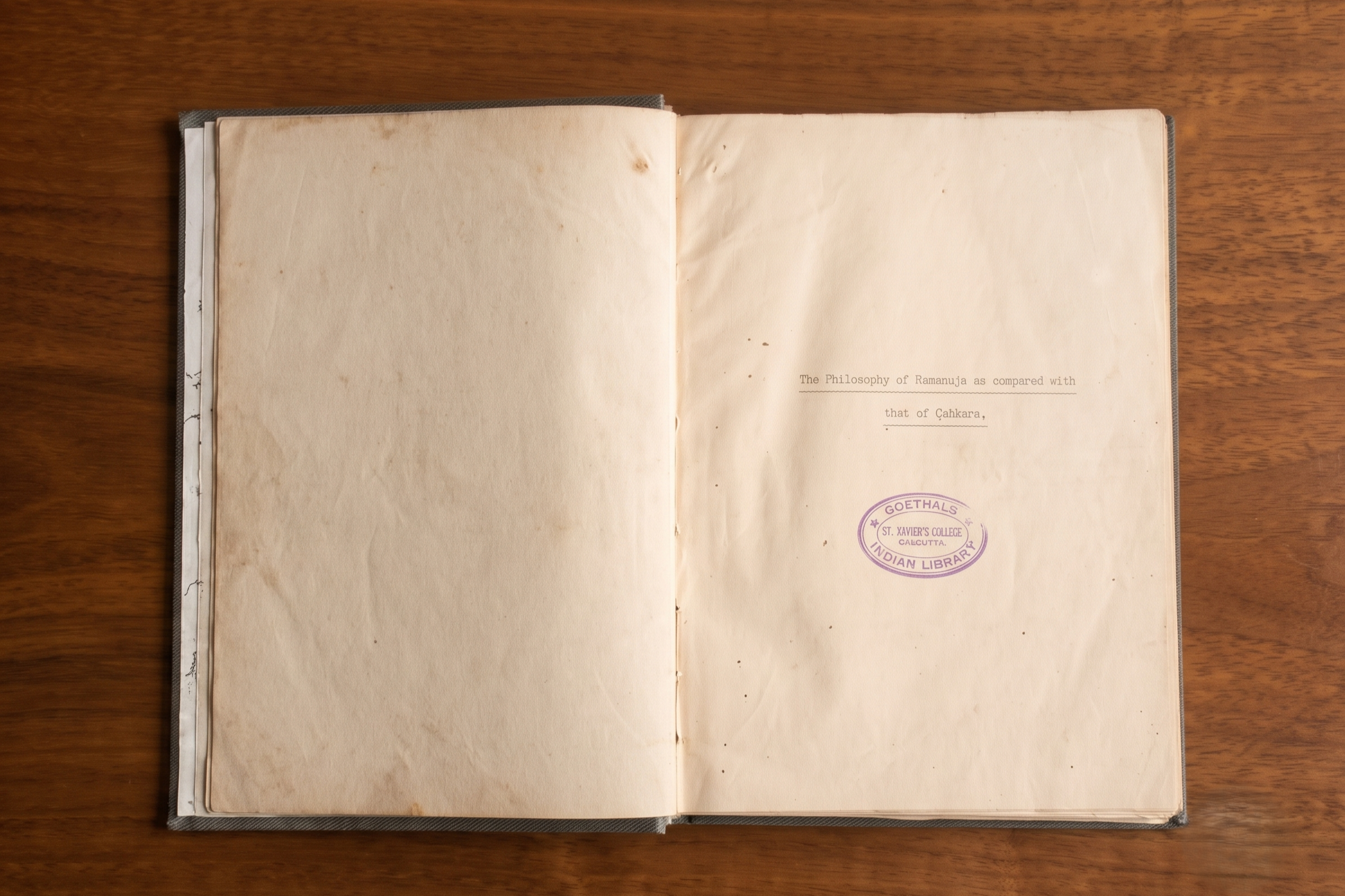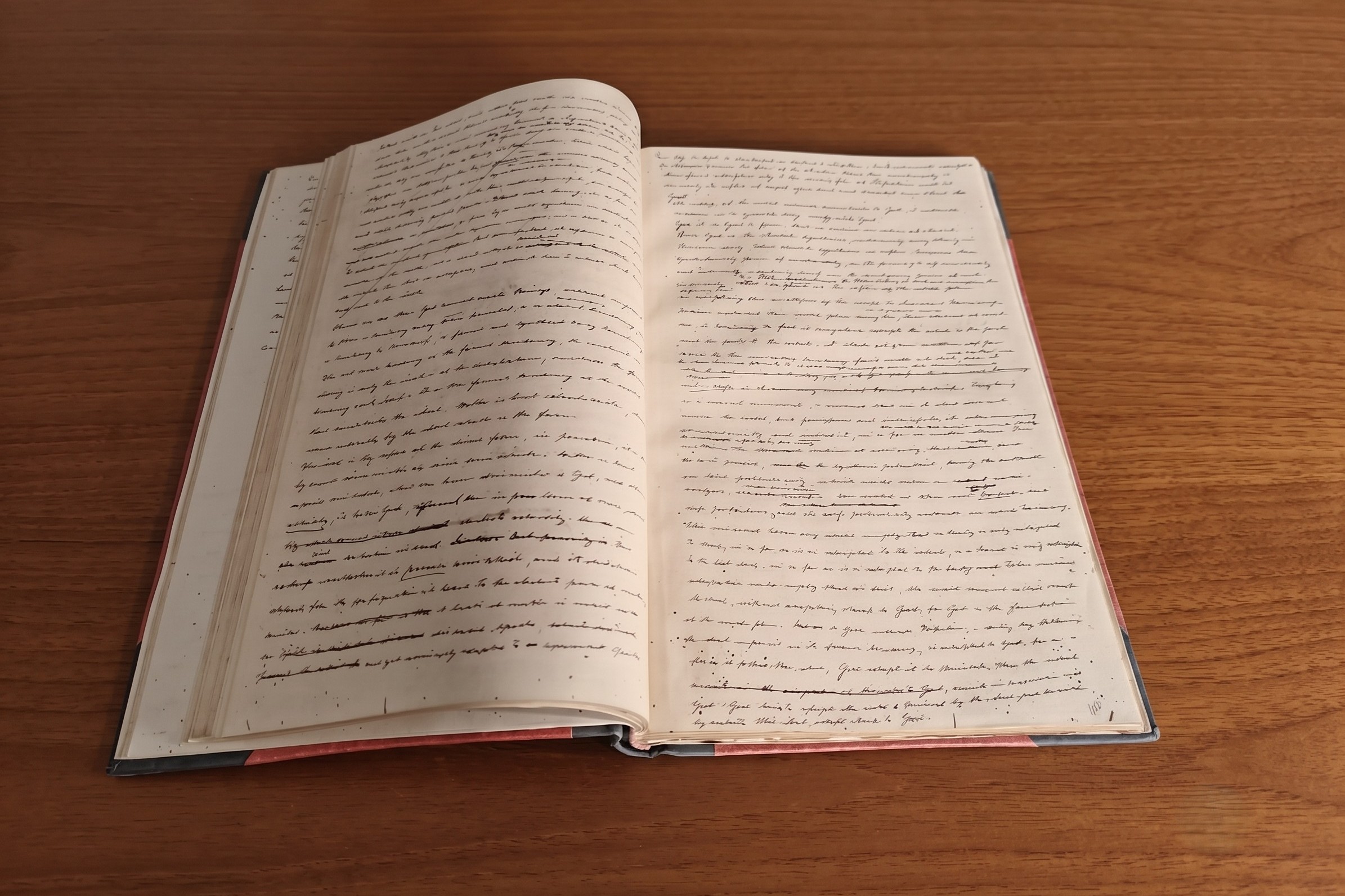
A Legacy of Encounter Preserved at Goethals
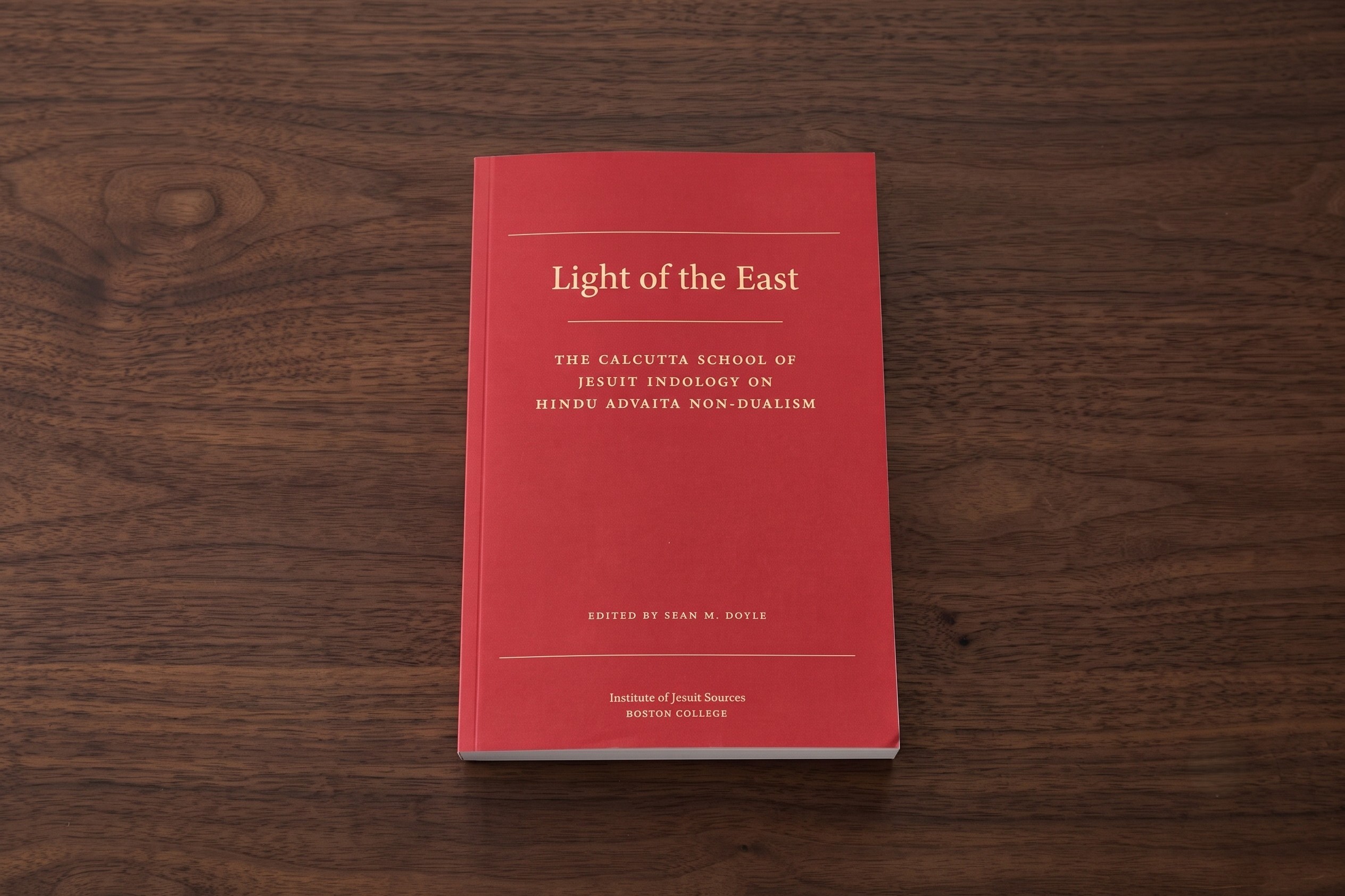
In the early decades of the twentieth century, Calcutta became the setting for a remarkable intellectual encounter between Christian theology and Indian philosophical thought. A group of Jesuit scholars associated with the Bengal Mission began to engage Hindu traditions—particularly Advaita Vedanta—not simply as objects of missionary critique, but as sophisticated philosophical and spiritual traditions deserving rigorous study, sympathetic understanding, and sustained dialogue.
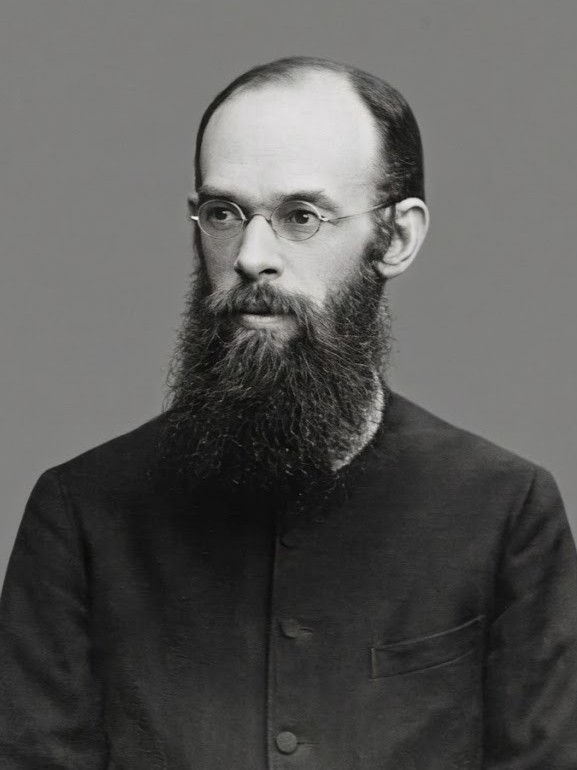
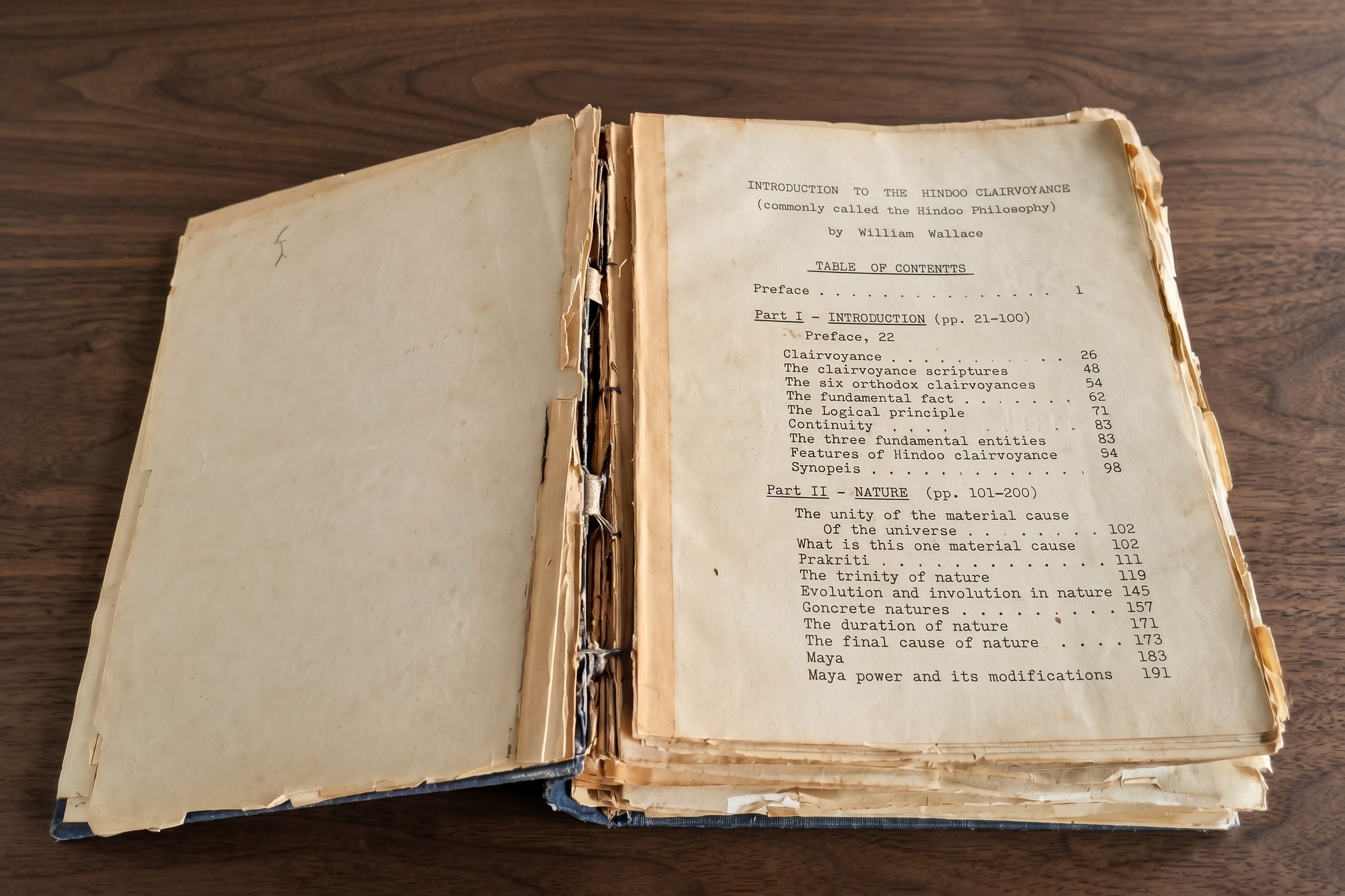
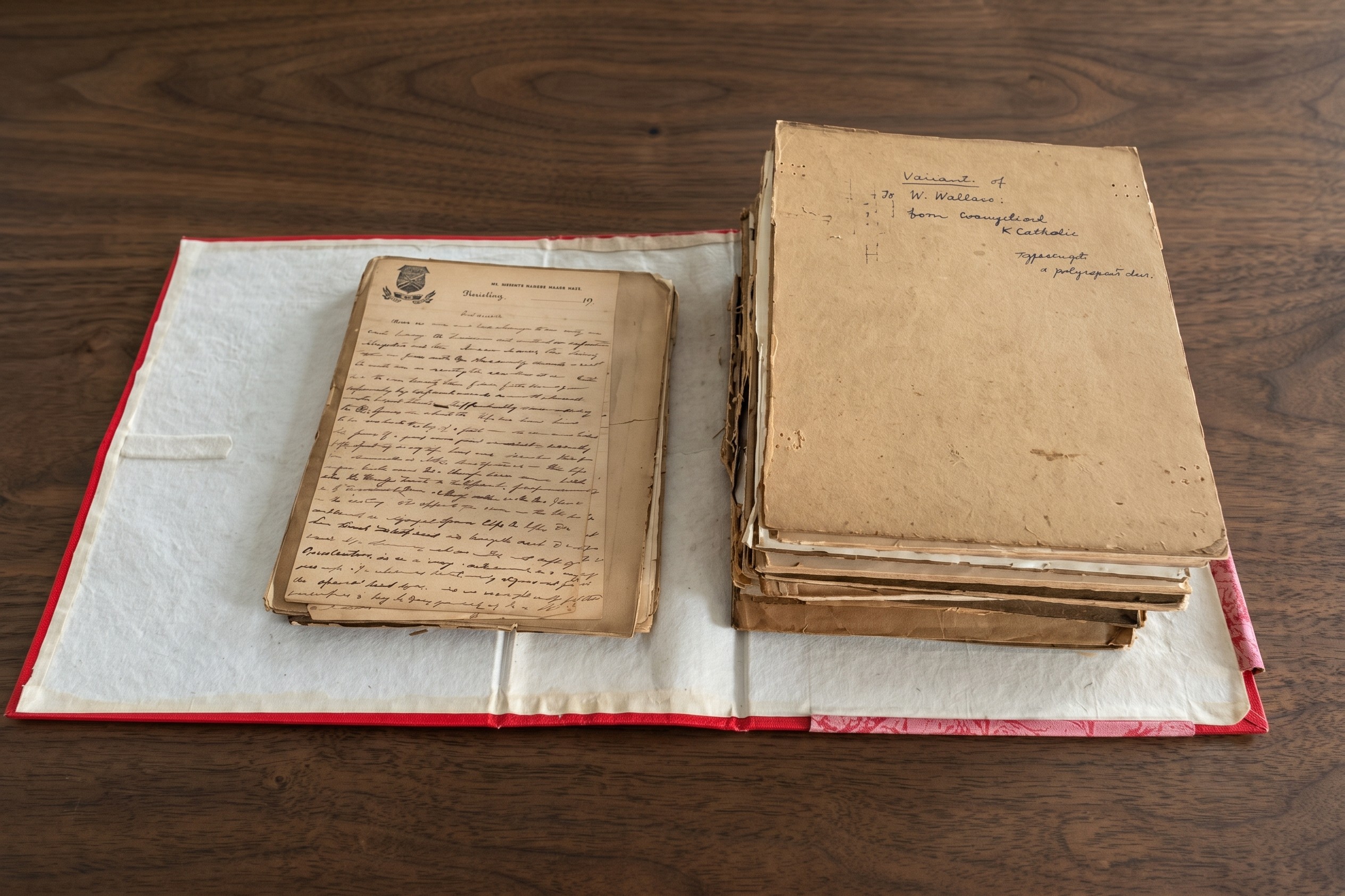
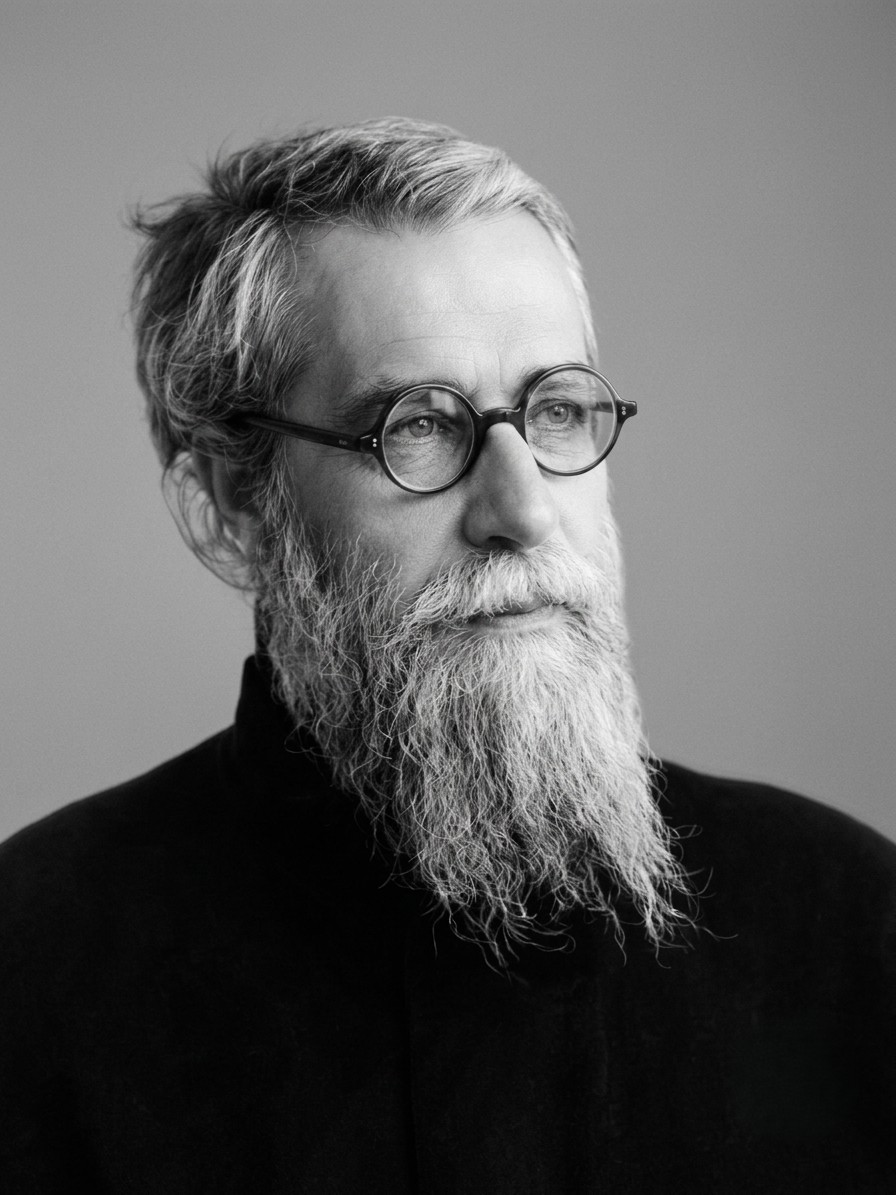
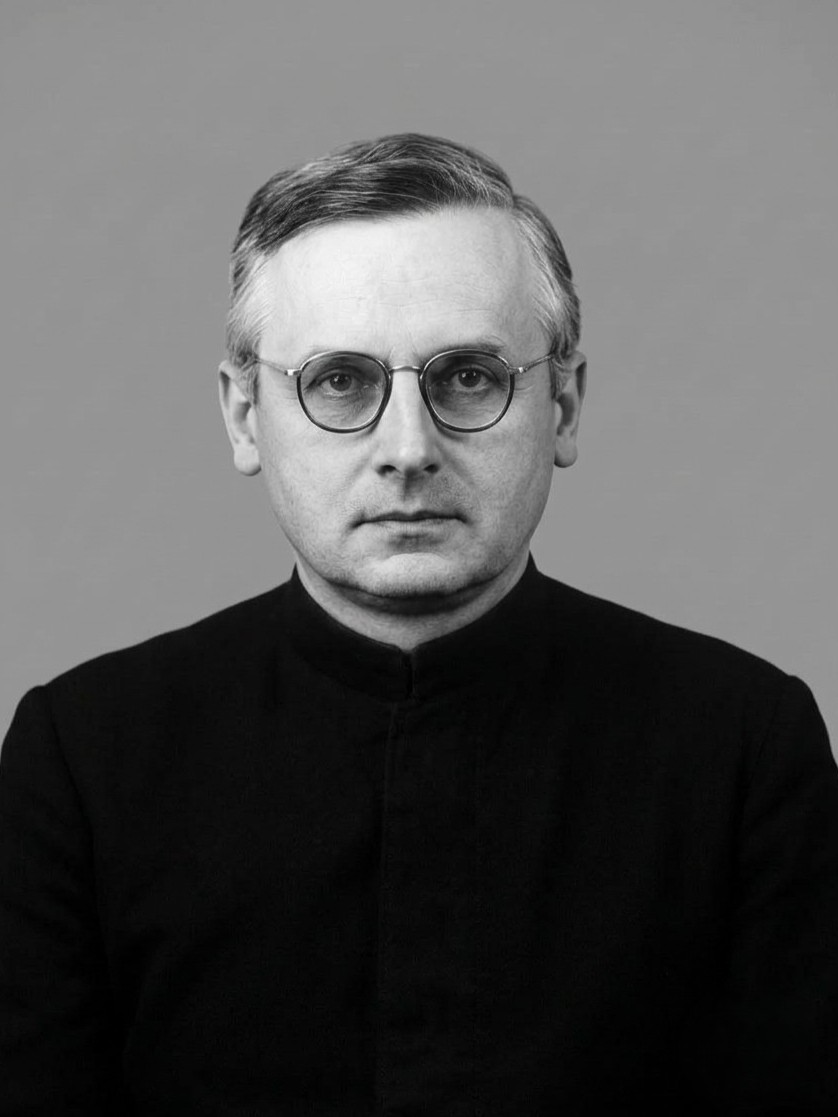
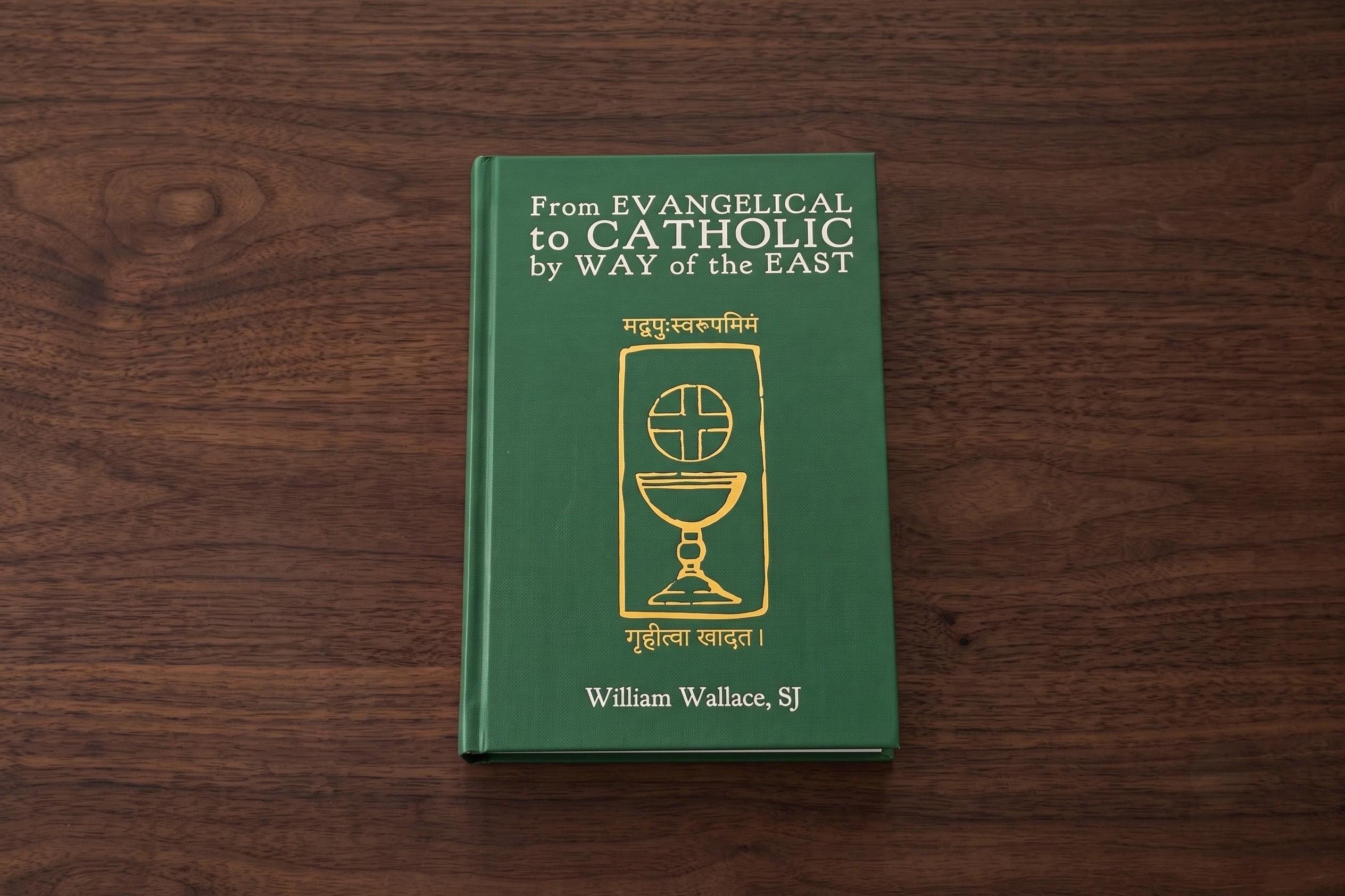
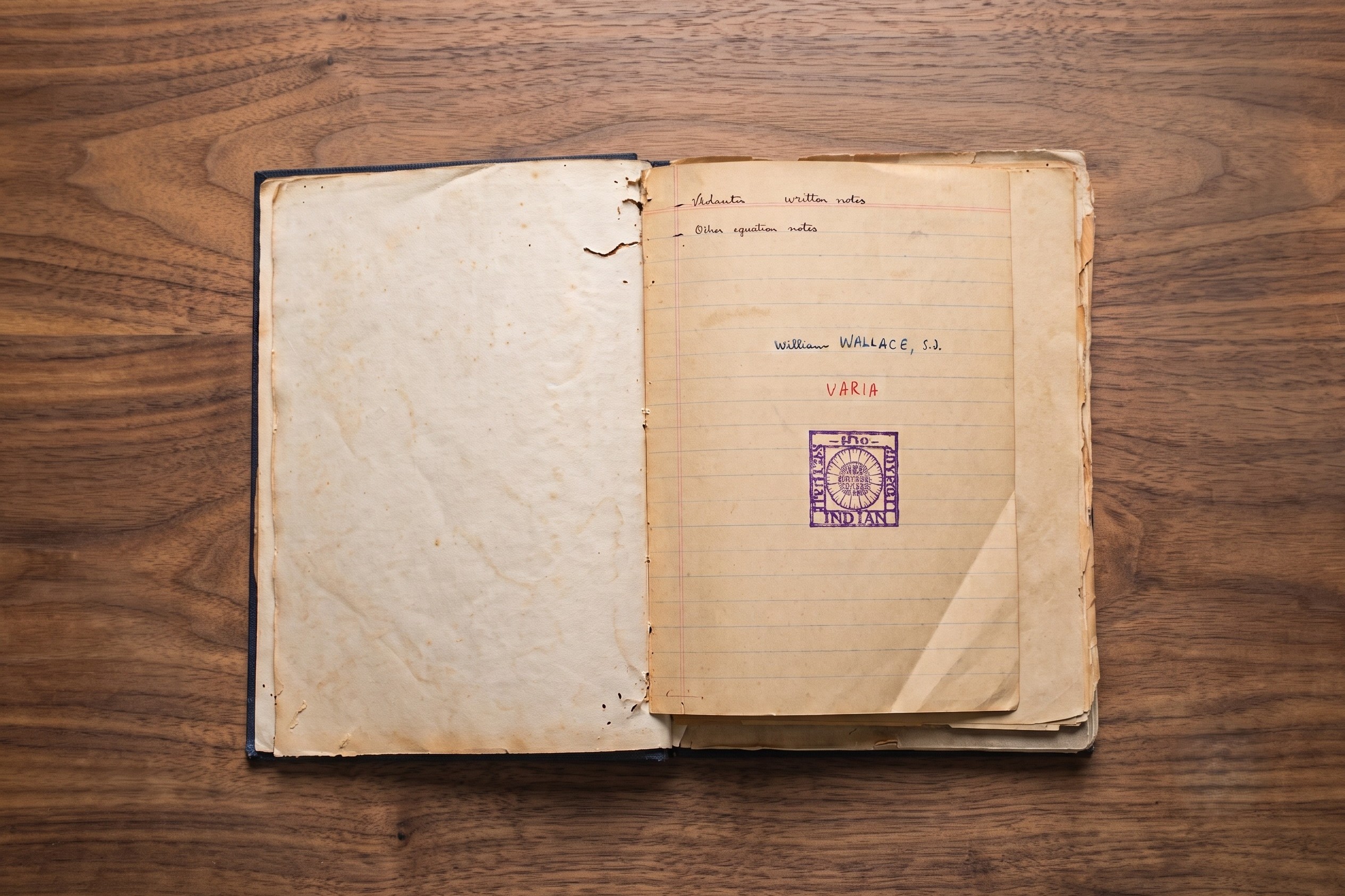
This intellectual movement came to be known as the Calcutta School of Indology. It was never a formally established school with fixed membership or a single philosophical programme. Rather, it was an evolving community of scholarship and dialogue, connected through common questions, friendships, institutions, teaching, and publications. Among the figures central to its emergence and early development were William Wallace, S.J. (1863–1922), its pioneering forerunner; George Dandoy, S.J. (1882–1962) and Pierre Johanns, S.J. (1882–1955), two of its principal formative figures; and Michel Ledrus, S.J. (1899–1983), who helped interpret and transmit its intellectual project.